
Research Collaborators
-
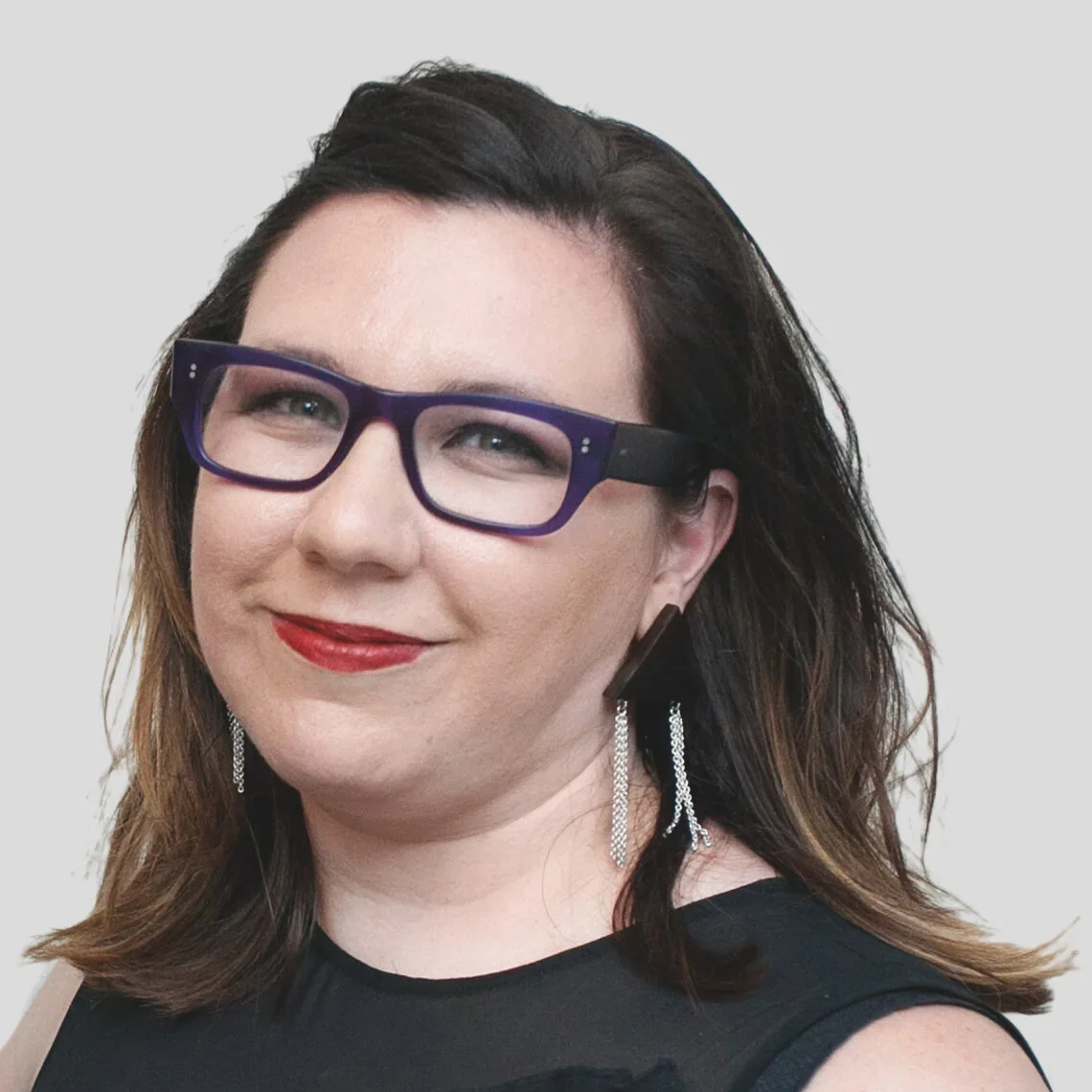
Alysa Procida is a white-settler arts administrator, fundraiser and consultant who is passionate about connecting artists with audiences across the world. She is the International Liaison for the Arctic Arts Summit Secretariat, having previously co-organized the 2022 Arctic Arts Summit in Whitehorse, YK. Previously, she was the Executive Director of the Inuit Art Foundation and Publisher of the Inuit Art Quarterly, Chair of the Magazines Canada Board of Directors, and a mentor on the Inuit Futures in Arts Leadership: The Pilimmaksarniq/Piiariuqsarniq Project. As Publisher of the IAQ, Alysa oversaw a full redesign of the magazine in conjunction with the IAF’s 30th anniversary in 2017 and the magazine’s first National Magazine Award in 2018. In 2019, she was shortlisted for Publisher Grand Prix at the National Magazine Awards, and in 2021 the IAQ was awarded Best Arts and Literary Magazine and Magazine Grand Prix winner.
-
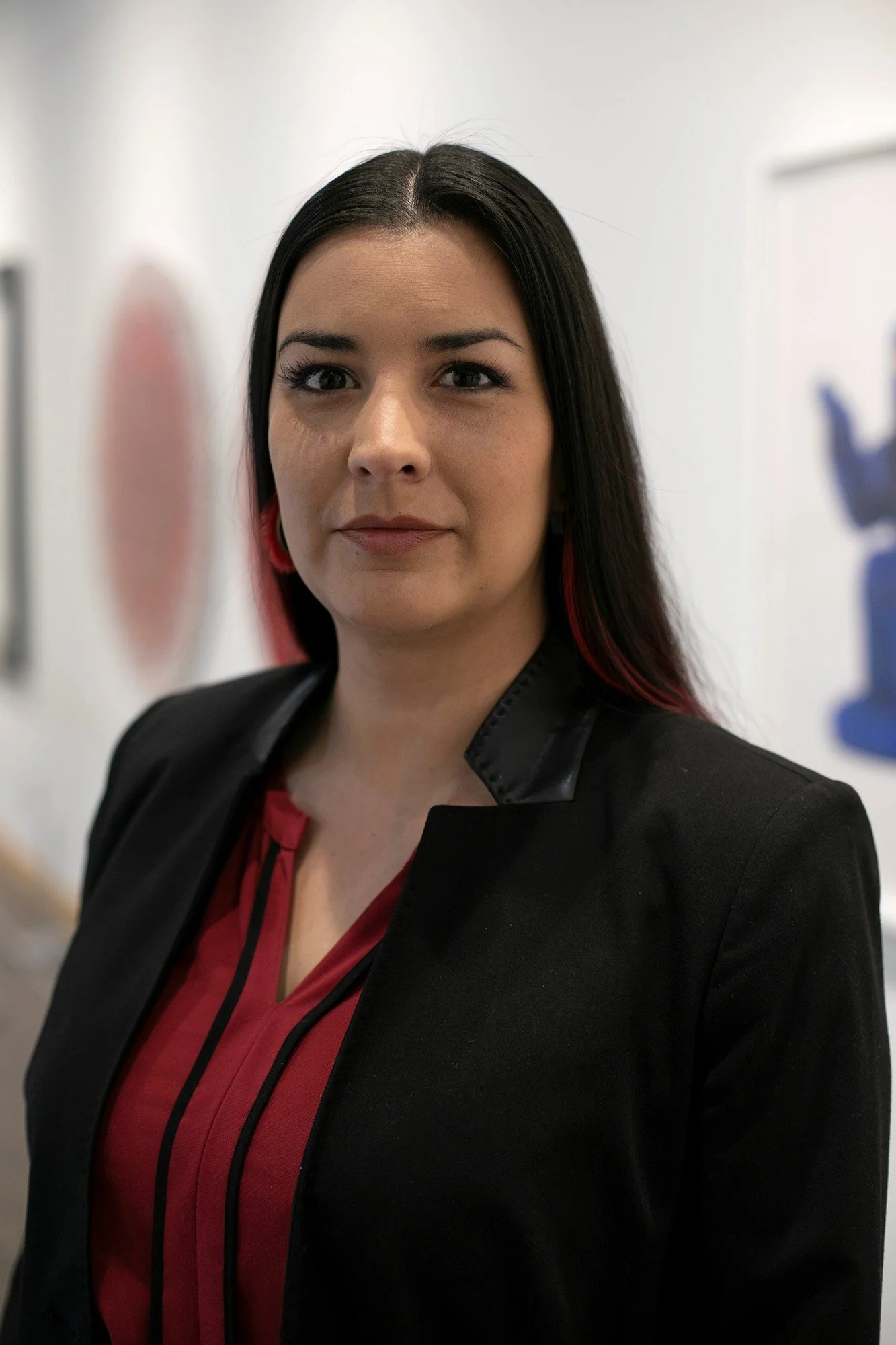
Michelle LaVallee is a mother, curator, and inaugural Director of the Indigenous Ways and Decolonization Department, and one of two Directors of Curatorial Initiatives at the National Gallery of Canada, where she leads the Indigenous curatorial team. She is Anishinaabe (Ojibway) and a member of the Neyaashiinigmiing Chippewas of Nawash Unceded First Nation in Cape Croker, Ontario. She is also of English/Scottish/French descent through her mother. Prior to joining the Gallery, LaVallee held the position of Director, Indigenous Art Centre and Collection, at Crown-Indigenous Relations and Northern Affairs Canada as part of the Corporate Secretariat management team. LaVallee has curated over 30 exhibitions including 7: Professional Native Indian Artists Inc. (2013–2016) during her time as curator at the MacKenzie Art Gallery in Regina, Saskatchewan and more recently she co-curated the acclaimed touring exhibition and publication Radical Stitch (2022-2025), with colleagues Sherry Farrell Racette and Cathy Mattes. At the NGC, her team has presented exhibits including: Nadia Myre: Waves of Want (2025); Skawennati: Welcome to the Dreamhouse (2025); and the International Indigenous exhibition Qillaniq, showcasing living contemporary artists from the circumpolar world (2026).
-
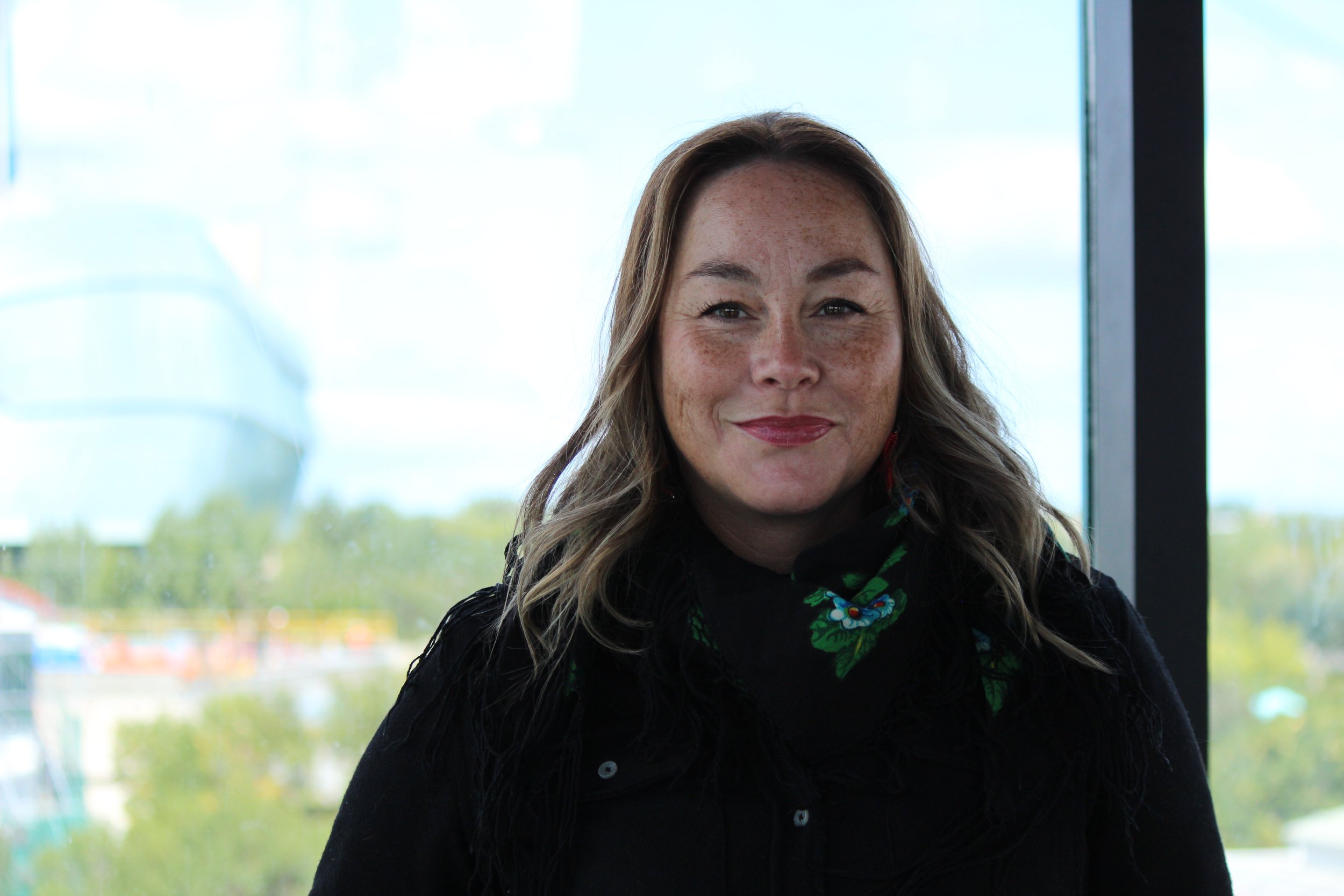
Photo credit: Bell-Gam Obiesha
Jaimie Isaac is a curator and interdisciplinary artist, Anishinaabe member of Sagkeeng First Nation and is of British heritage. As the Curatorial Researcher with the University of Manitoba Center for Human Rights Research, she is researching with the Just Waters project in 2025/27. She was the Chief Curator at the Art Gallery of Greater Victoria from 2021-2023 and advisor 2023-2024. As the Curator of Contemporary and Indigenous Arts at the Winnipeg Art Gallery 2015-2021, she was awarded the Canadian Museums Association outstanding achievement award in the exhibitions category with the Boarder X exhibition. Isaac received the Winnipeg Art Council’s Mayor Award for Community Impact in 2025 and University of Winnipeg's Distinguished Alumni Award for Community Impact, 2025. She is co-director/co-founder of ROSEMARY Gallery/SKOOL, a roving project space. Interests in reconciliation, resistance, resilience, decolonization in art and in sport, Indigenous feminism, environmental justice, language and cultural resurgence.
-
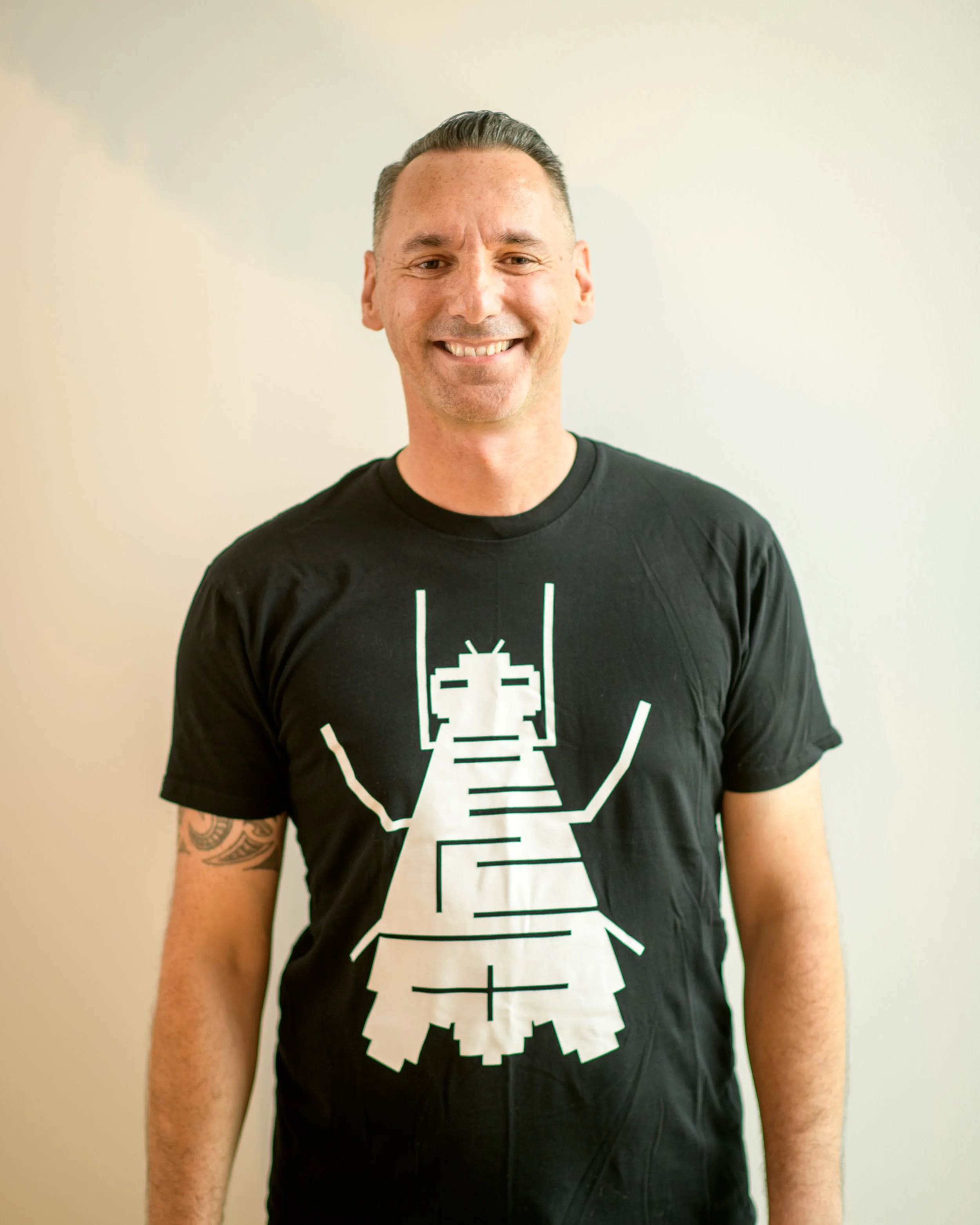
Karl Chitham is Māori (Ngā Puhi, Te Uriroroi) and Pākehā. He is Head of Arts & Culture for Hutt City Council and director of The Dowse Art Museum. Karl has written for multiple arts publications including co-authoring the ground-breaking book Crafting Aotearoa: A Cultural History of New Zealand and the Wider Moana Oceania and Becoming Our Future: Global Indigenous Curatorial Practice. His recent curatorial projects include Paerangi: Venice held during the 2026 vernissage for the 61st Venice Biennale, Papa Nukunuku: Shifting Ground for BACA Indigenous Biennale, Montreal, Shannon Te Ao: Ia rā, ia rā (rere runga, rere raro) for 15th Gwangju Biennale, Tākiwa Hou: Imagining New Spaces for the inaugural Malta Biennale and Reuben Paterson: The Only Dream Left for City Gallery, Wellington. Karl has held roles in universities, museums and art galleries and has an interest in Indigenous contemporary art particularly where they intersect with expanded notions of craft.
-
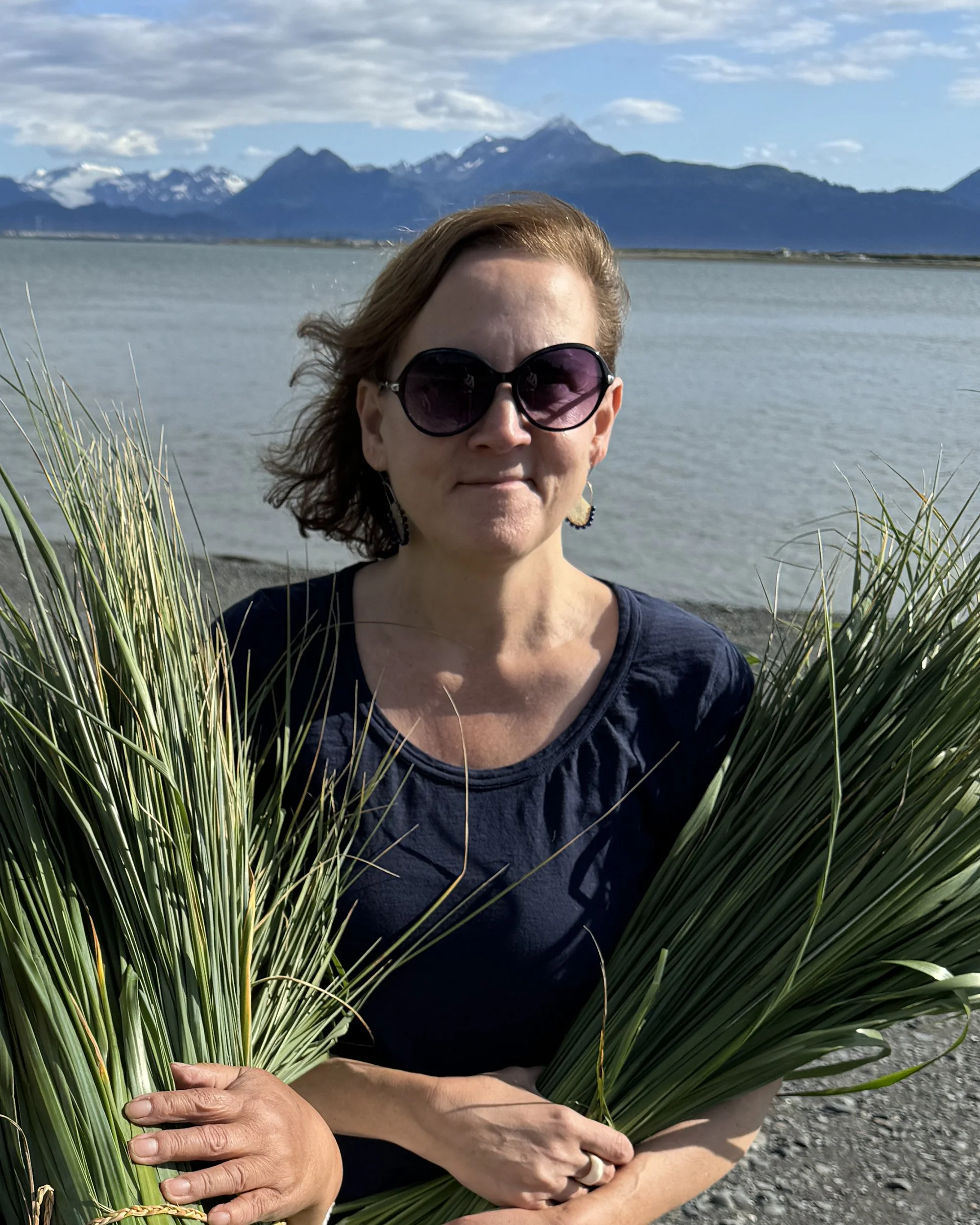
Dawn Biddison works in equitable collaboration with Alaska Native Elders, Knowledge-Holders, artists, educators, learners, and cultural organization staff on Indigenous heritage projects. Her work began with community-based museum research, exhibition, and website work, and continues through museum outreach, collections access, research, fieldwork, artist residencies, workshops, public programs, and shared interdisciplinary documentation and resources that respect Indigenous protocols and goals, support intergenerational learning and teaching, and facilitate accessibility. Dawn has worked at the Smithsonian Arctic Studies Center in Alaska since 2003. Examples of her work with communities are available online at the Smithsonian Learning Lab website "Smithsonian Arctic Studies Center in Alaska" https://learninglab.si.edu/org/sasc-ak.
-
Ryan Rice, Kanien’kehá:ka of Kahnawake, is a Toronto-based curator, critic, and creative consultant. With a curatorial career spanning over 35 years, he has worked across communities, museums, artist-run centres, public spaces, and galleries. Rice currently serves as Executive Director and Curator, Indigenous Art at OCAD University’s Onsite Gallery. He is the 2025 recipient of the Toronto Arts Foundation’s Margo Bindhardt and Rita Davies Cultural Leadership Award and is a member of the Curatorial Advisory for Toronto’s 2026 Nuit Blanche. His most recent curatorial project is Skennen'kó:wa ken? (Do You Carry Great Peace?) for the Canadian Pavilion at the 16th edition of the Gwangju Biennale, and the retrospect exhibition Rosalie Favell | Belonging (1982–2024), which is touring across Canada through to 2028.
-
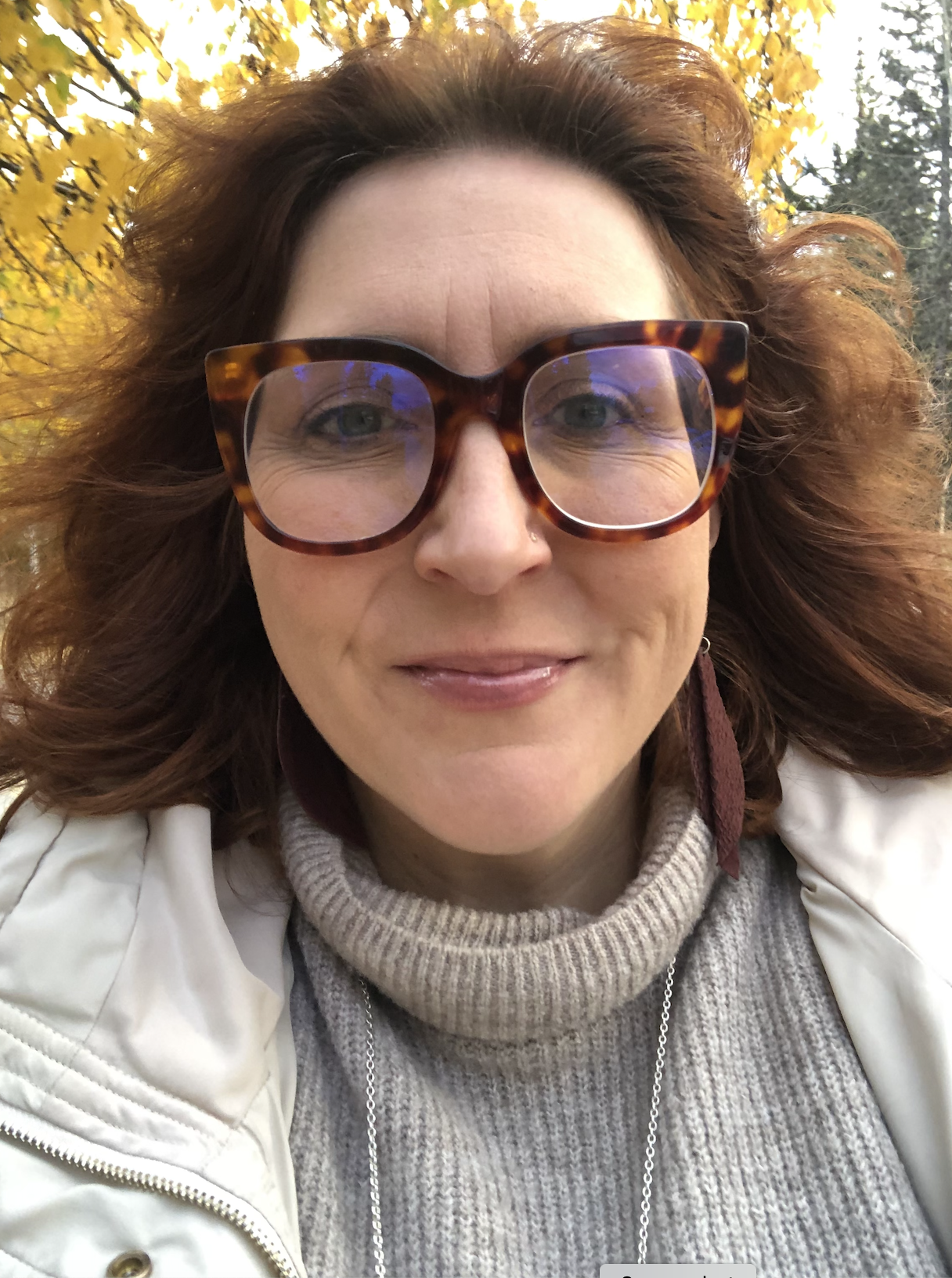
Dr. Carla Taunton, a white-settler scholar, is an Associate Professor in the Division of Art History and Contemporary Culture at the Nova Scotia College of Art and Design University (NSCAD). Her research contributes to arts-based critiques of settler colonialism and engages with theories of decolonization and inter-generational settler responsibility. She recently co-edited PUBLIC 64Beyond Unsettling: Methodologies Towards Decolonized Futures and The Routledge Companion to Indigenous Art in the United States and Canada. As a core research team member on several SSHRC grants, such as Inuit Futures, Thinking through the Museum and Counter Memory Activism she leads curatorial, publication and research creation projects as well as co-organizes public lecture series, workshops, and symposia. Her current research project, Curating Change explores curatorial activisms in settler colonial contexts and mobilizes collaborative curatorial incubators as a methodology towards activating inter-cultural, decolonial and anti-racist social change.
-
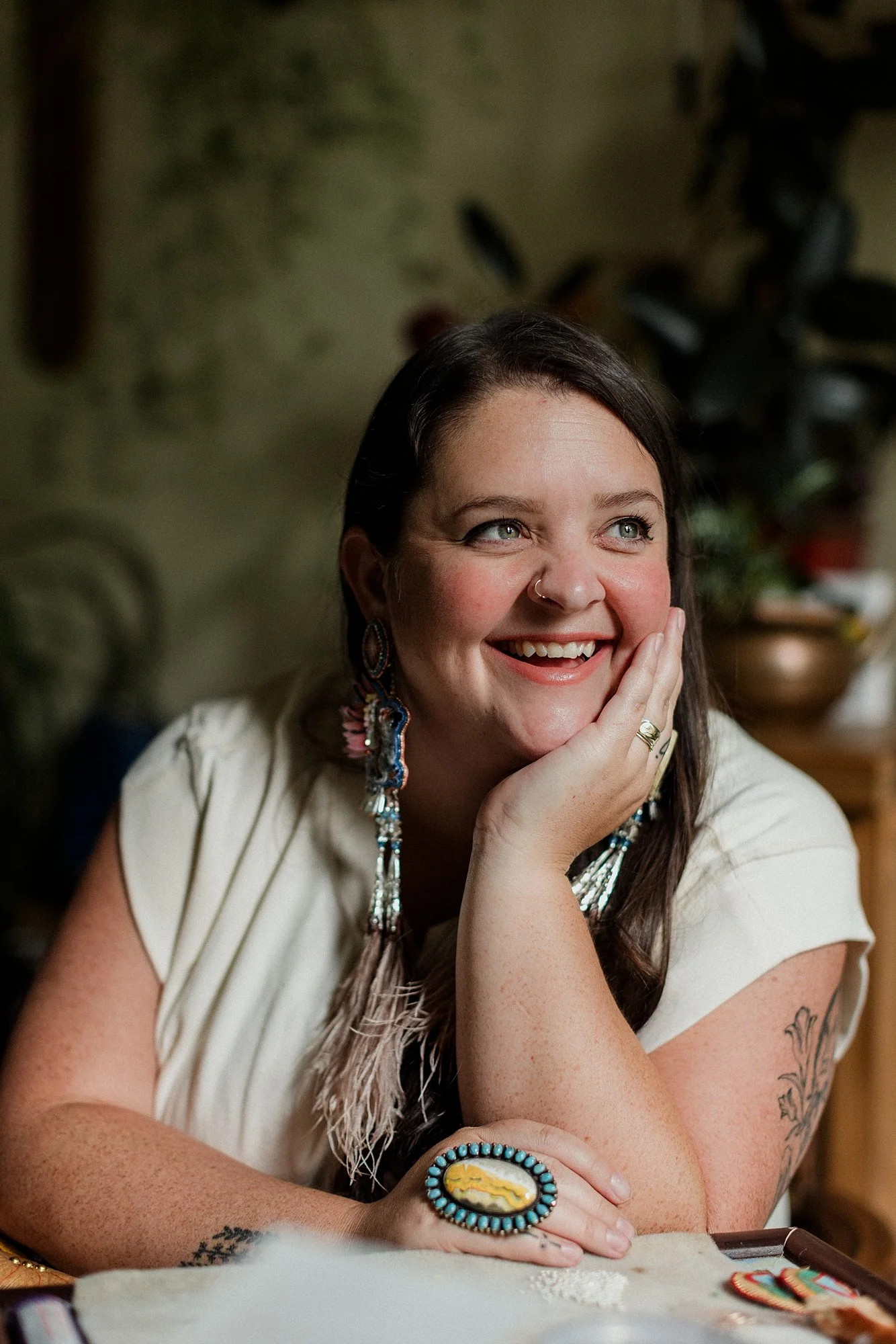
Jaymie Campbell is a multi-faceted practitioner who works in community development and governance, visual arts and storytelling. She is of Anishnaabe and European ancestry, and a member of Curve Lake First Nation. She resides on unceded territory in New Denver, British Columbia.
Jaymie spent the earlier years of her career working on consultation, negotiation, capacity building and economic development for Indigenous communities. She continues to work in community governance, policy development and rights recognition. Jaymie is also a practicing visual artist – working with materials from the land and creating contemporary design pieces. She aims to explore connection to land and culture through bead and quill work, writing and visual arts. She is also the founder and Executive Director of The Aunte Indigenous Residency.
Jaymie is a dedicated partner, daughter, auntie and community member. Her daily practices of art and storytelling are woven into spending time outside, with her family and supporting community work.
-
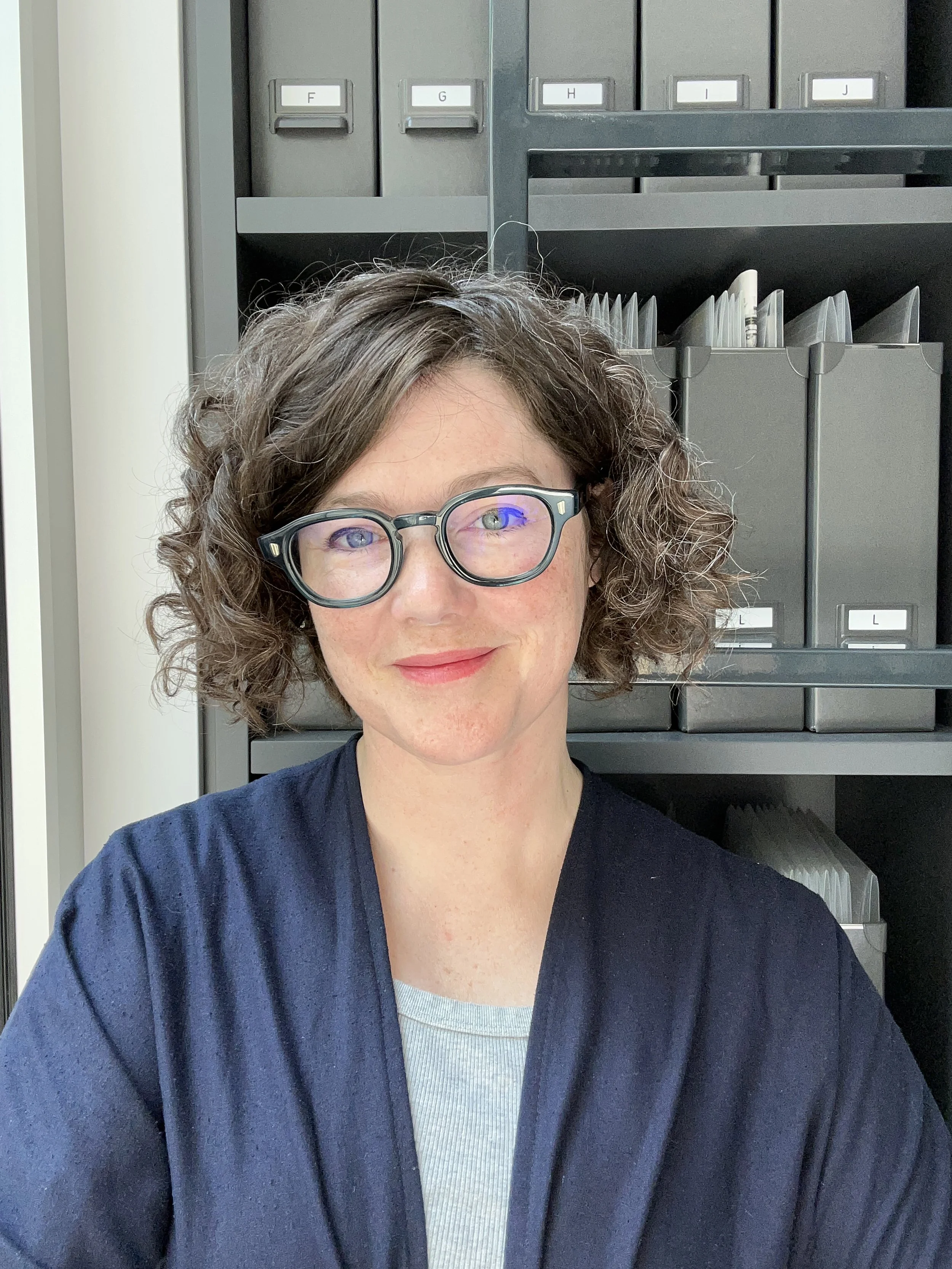
Dr. Kirsty Robertson is Canada Research Chair in Museums, Art, and Sustainability, in the Department of Visual Arts at Western University. She also directs the Centre for Sustainable Curating (CSC), which supports research on waste, pollution, and the climate crisis, and the development of low-waste, low-carbon exhibitions and artworks. Robertson has published extensively in critical museum studies, including in her book Tear Gas Epiphanies: Protest, Museums, Culture (MQUP, 2019), and in her forthcoming work Countering the Museum: Activism at the Limits of the Institution (Museums in Focus Series, Routledge). Robertson has curated exhibitions in Paris, Toronto, Ottawa, New York, and London (ON), and has presented her work in venues around the world. She is a founding member of the Synthetic Collective, an art-STEM collaboration addressing plastics pollution in the Great Lakes Region, co-lead with Dr. Eugenia Kisin on A Museum for Future Fossils, an ongoing project that responds curatorially to ecological crisis, and co-director with Dr. Heather Igloliorte of As It Melts: Indigenous Artistic Responses to Plastics Pollution.
-
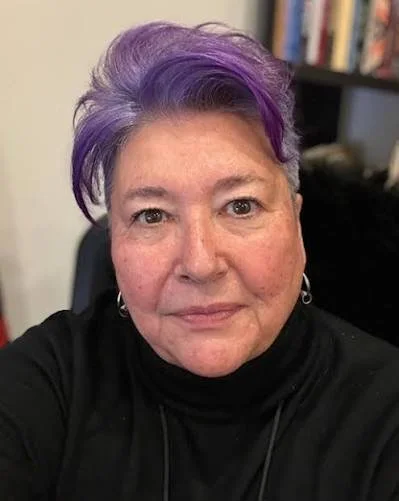
Dr. Michelle McGeough (Cree Métis/Settler) completed her PhD in Indigenous art history at the University of New Mexico. Prior to returning to school for her advanced degree, she taught Museum Studies at the Institute of American Indian Art and was the Assistant curator at the Wheelwright Museum of the Native American Indian in Santa Fe, New Mexico. Dr. McGeough has a Master’s degree from Carleton University as well as a BFA from Emily Carr and an undergraduate degree from the Institute of American Indian Art. She also has a B.Ed. degree from the University of Alberta. Dr. McGeough currently teaches at Concordia University in the Art History department.
Dr. McGeough’s research interests have focused on the indigenous two-spirit identity. She is a board member of daphne, the first Indigenous artist run centre in Tiohtià:ke and the IF collective. Dr. McGeough is a co-applicant in the SSCHR Thinking Through the Museum Partnership grant, Queer Operatives, and The Morrisseau Project, and Curating Change. Her essays have appeared in C-space, Union Docs, and an upcoming volume entitled Two-Spirit, Indigiqueer, and LGBTTQ* Interventions into Museums, Archives, and Curation.
-
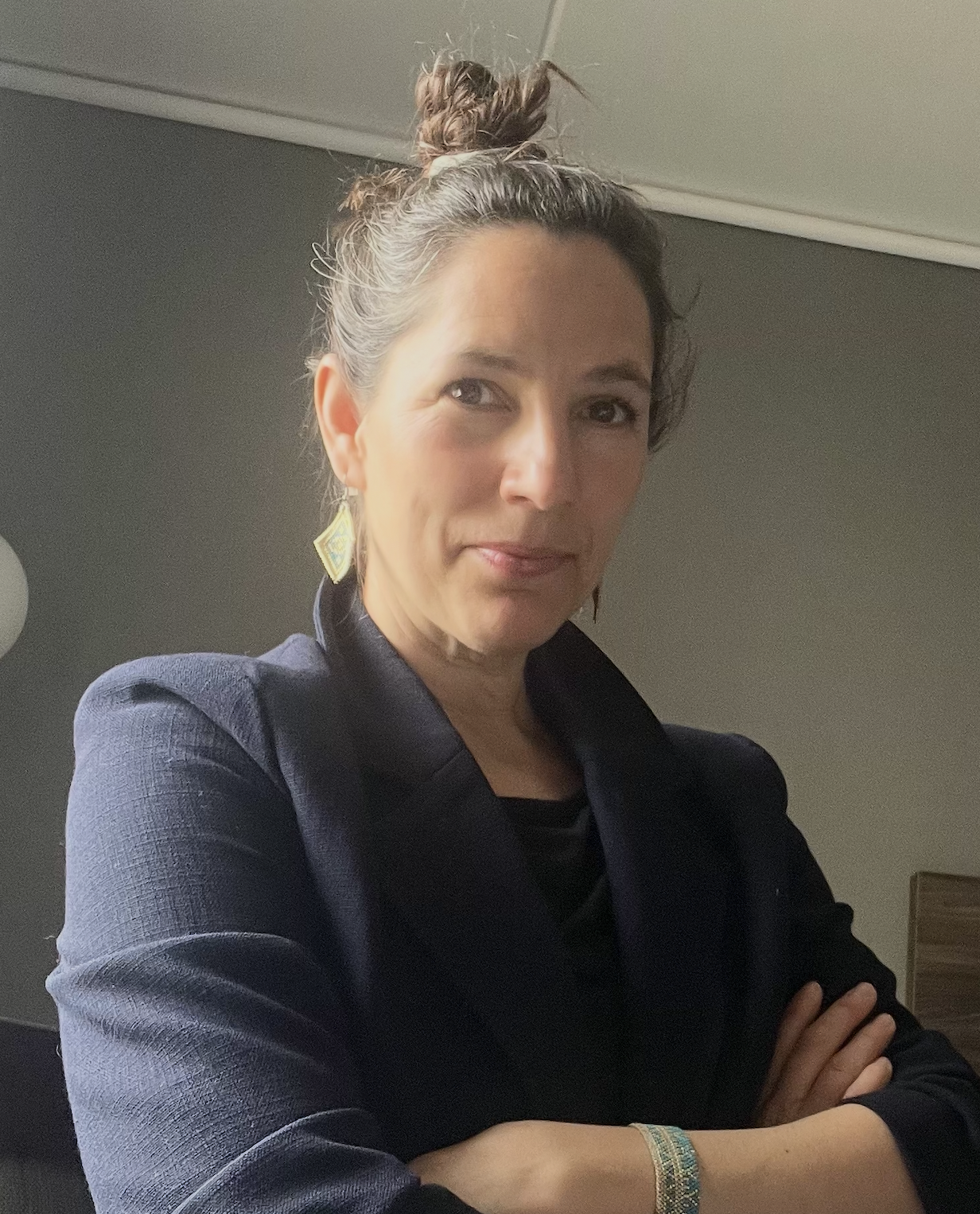
Nadia Jackinsky-Sethi (Alutiiq) is an art historian, museum consultant, independent curator, arts administrator and mother of three based in the Kachemak Bay region of Alaska. Nadia received her PhD in art history from the University of Washington in 2012 and has worked with museum collections since 2005. She currently serves as a program manager at the Alaska Native Arts Foundation and is a director of the Alaska Native Museum Sovereignty program. Nadia’s work focuses on advancing Alaska Native arts revitalization, museum sovereignty, and the documentation of Alaska Native arts and cultural knowledge. Some of her recent curatorial projects include Qillaniq (2026); Natchiq, Onkeehq, Isuwiq: Indigenous Aris Honor the Seal (2026); and Salmon Culture (2025, 2024). Nadia is inspired by land-based learning, and is committed to building collaborative relationships with Indigenous artists and scholars across the North. Connect with her here: https://washington.academia.edu/NadiaSethi.
-
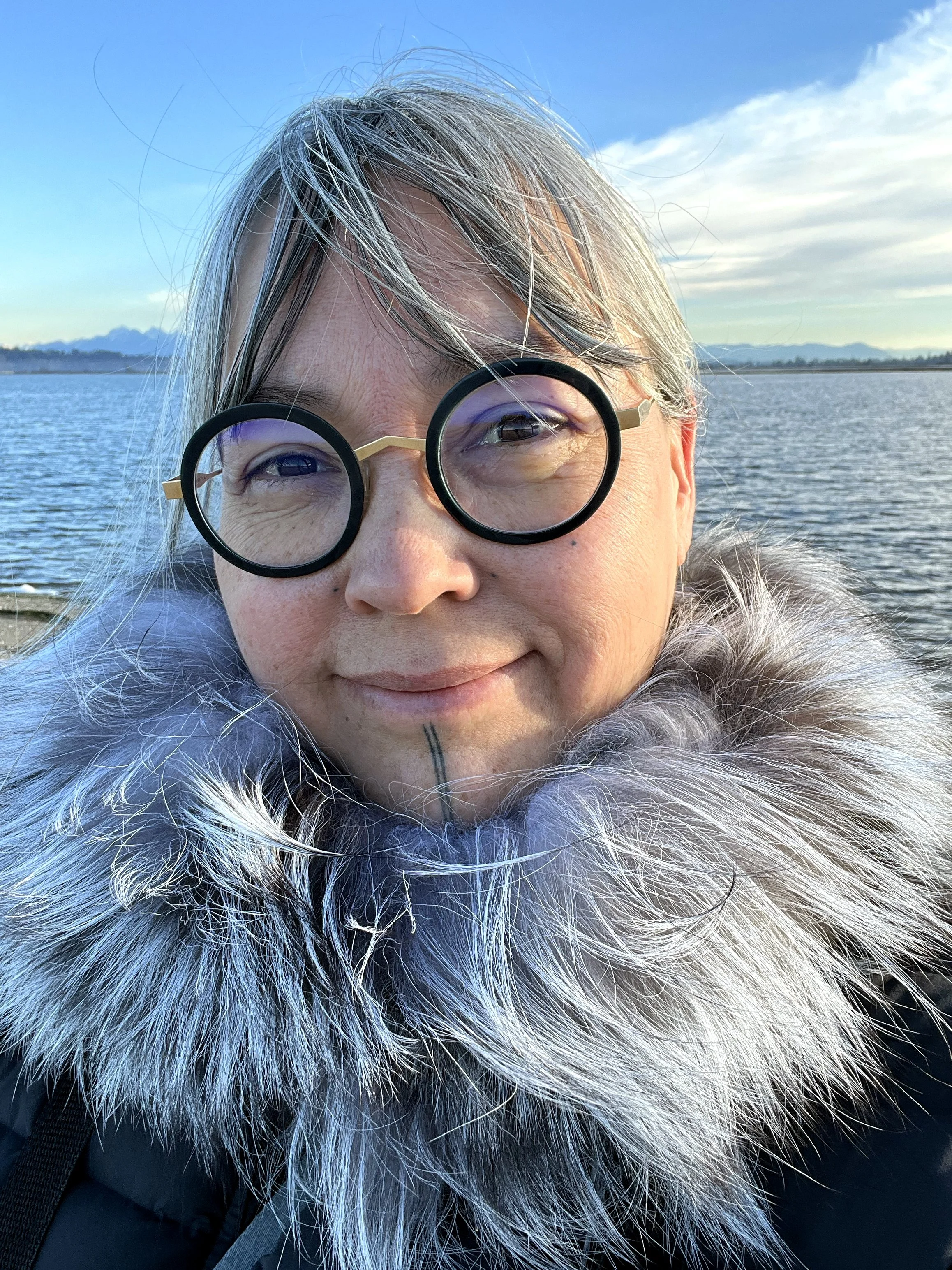
Kajola Morewood is a mixed Inuit and settler artist living in Vancouver on the unceded territories of the Squamish, Musqueam, and Tsleil-Waututh Nations. An interdisciplinary artist, she explores issues of cultural re/connection and the ways in which Indigenous knowledge and belongings are held in western cultural institutions. She holds a BFA in Photography from Emily Carr University of Art + Design, where she currently serves as the Interim Director of Indigenous Programs, and a Master of Library and Information Studies with a First Nations Curriculum Concentration from the University of British Columbia.
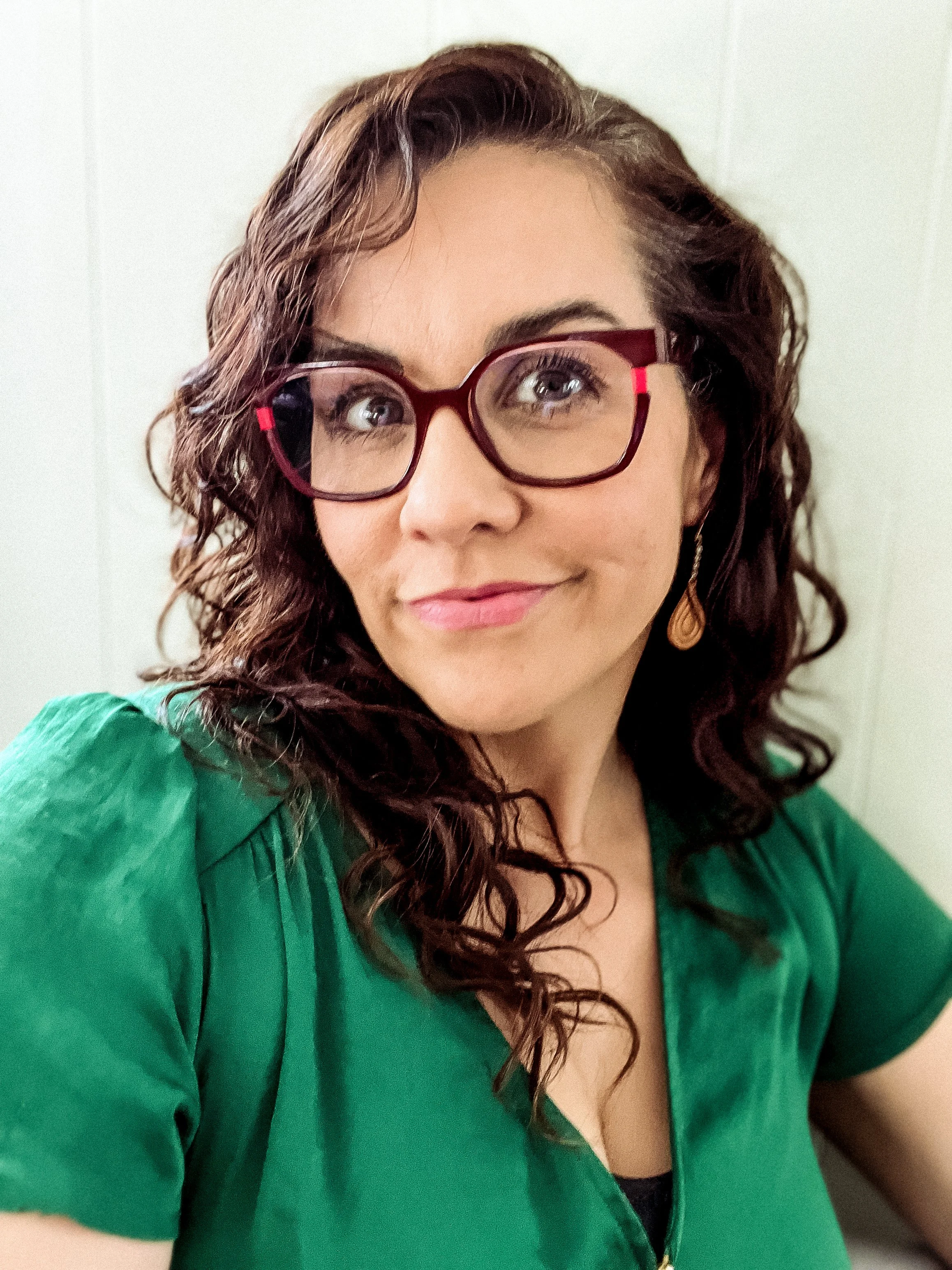
-
As the Executive Director of the Inuit Art Foundation and Publisher of Inuit Art Quarterly Lindsay stewards the world’s only magazine dedicated to Inuit art, now entering its 40th publication year. An Inuk filmmaker, researcher, and practicing artist, she is also a fellow of the Sundance Institute, Forge Project, MacDowell, and COUSIN Collective, and winner of the Women in the Director’s Chair Feature Film Award. Her work includes the Oscar-qualified short drama NIGIQTUQ (The South Wind) and the experimental documentary Tuktuit: Caribou which she crafted from handmade emulsion made with caribou gelatin. Her analogue film practice is rooted in process cinema techniques, material exploration and place-based knowledge. She has directed over 45 shorts which have screened around the world, and is currently developing her debut narrative feature, The Words We Can’t Speak. Across the board, innovation and thinking outside the box are key to both her artistic practice and her leadership at the Inuit Art Foundation where she focuses on building supports for Inuit artists across Inuit Nunangat and a sustainable future for Inuit art.
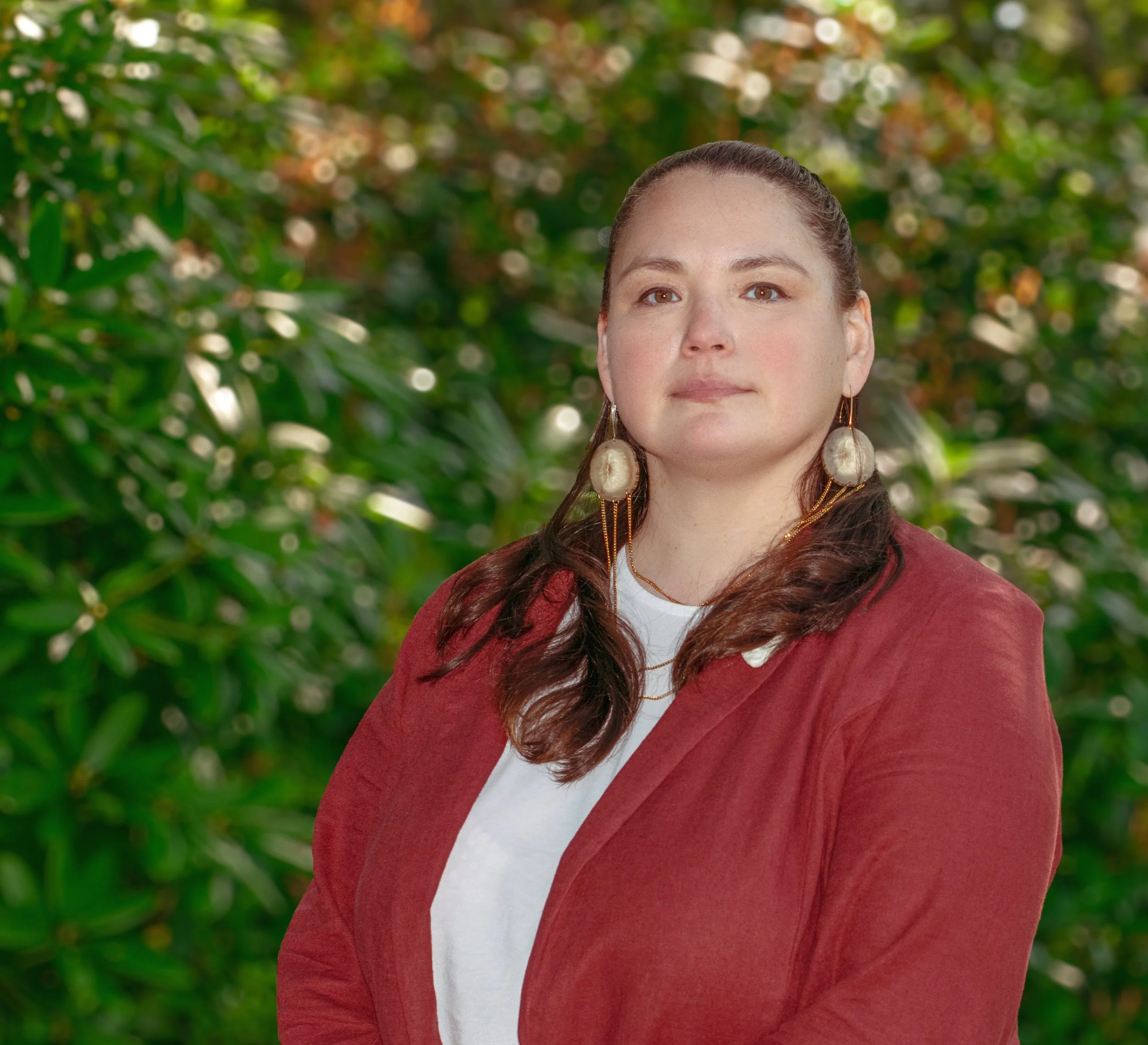
-
Photo Credit: Noel Bentley
Napatsi Folger is an Inuk editor, comic artist, fiction, non-fiction, and children's literature writer from Iqaluit, Nunavut. She now lives in North Vancouver, British Columbia and graduated from the University of British Columbia with an MFA in Creative Writing in 2021. Folger is the Tauttunnguaqti, responsible for the creative vision at the Inuit Art Quarterly.
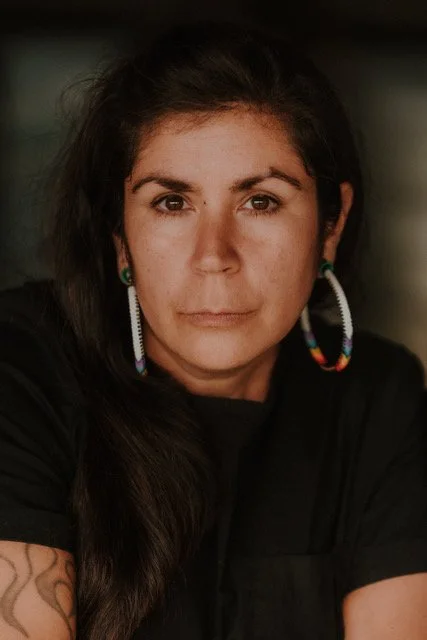
-
Photo credit: Billie Jean Gabriel
Tania Willard is a mixed Secwépemc and settler artist whose research intersects with land-based art practices. Her practice activates connection to land, culture, and family, centering art as an Indigenous resurgent act, though collaborative projects such as BUSH Gallery and support of language revitalization in Secwépemc communities. Her artistic and curatorial work includes Beat Nation: Art, Hip Hop and Aboriginal Culture at the Vancouver Art Gallery (2012-2014. Willard’s work is included in the collections of the Vancouver Art Gallery, Forge Project, Kamloops Art Gallery, and the Anchorage Museum, among others. In 2025 Willard won one of the top Canadian contemporary art awards, the Sobey Art Award.
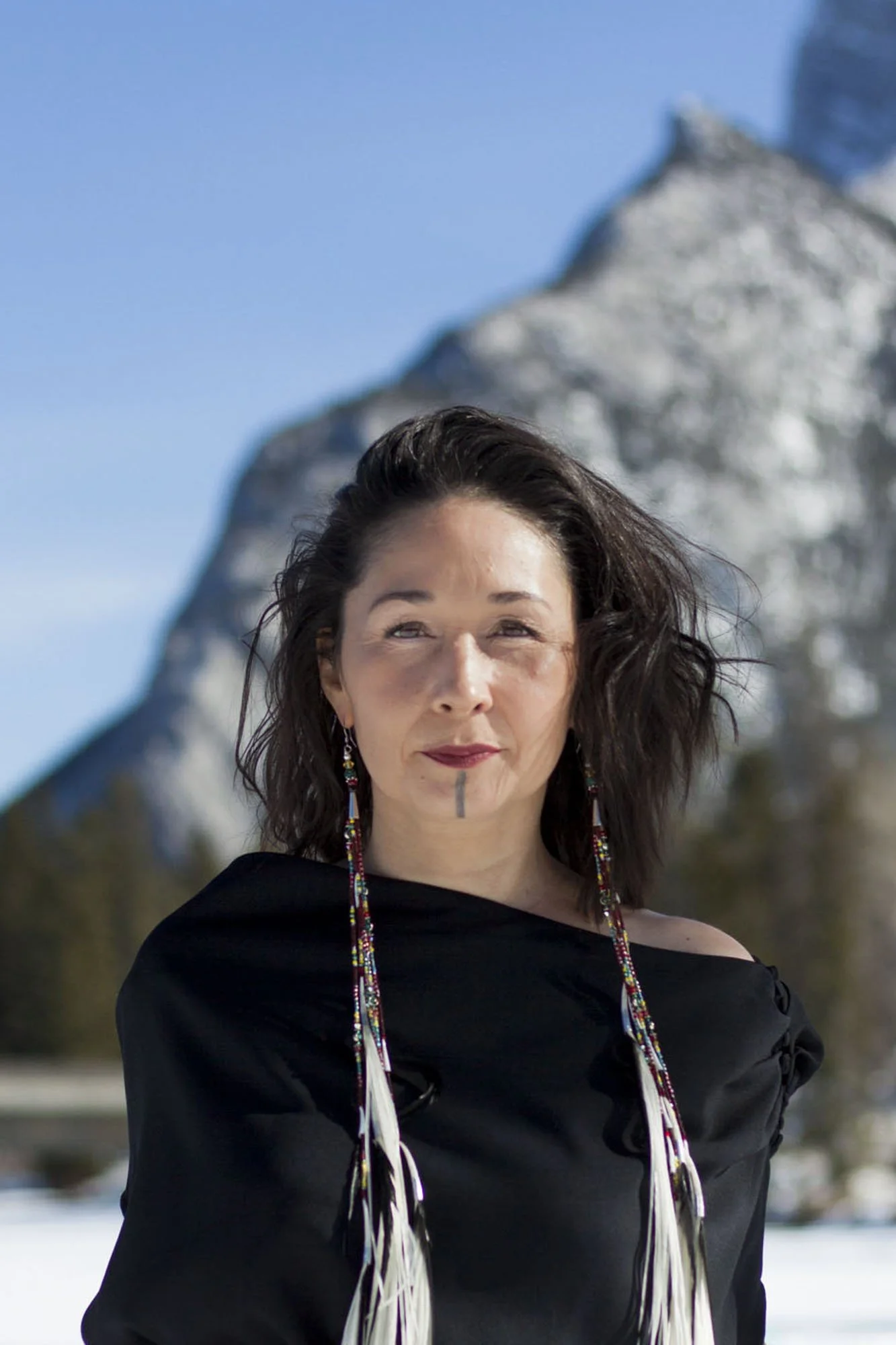
-
Reneltta Arluk, D.Litt., is Inuvialuk, Dene, and Cree from the Northwest Territories, raised by her grandparents on the trap-line until school age. This early nomadic life provided Reneltta with the unique skill set to become the multi-disciplinary nomadic performing artist that she is. She earned a Bachelor of Fine Arts, Acting degree from the University of Alberta, becoming the first Indigenous woman and first Inuk to graduate from the program. For more than twenty years, Reneltta has been part of or initiated the creation of Indigenous Theatre across Canada and overseas. In 2008 she founded Akpik Theatre, the only professional Indigenous Theatre company in the Northwest Territories. Reneltta received an honorary doctorate from the University of Alberta for her contribution to the decolonization of cultural institutions in Canada. She currently works at The National Gallery of Canada as a Senior Manager in the Indigenous Ways and Decolonization department.