About US
Our team
Leadership
The global research network of the CERC and Taqsiqtuut lab foregrounds Indigenous leadership across academia and the arts. This CERC unites scholars, museum and gallery professionals, artists, curators, students, Elders and community members in order to conduct innovative research collaboratively, across and between the Circumpolar Arctic and Pacific Regions.
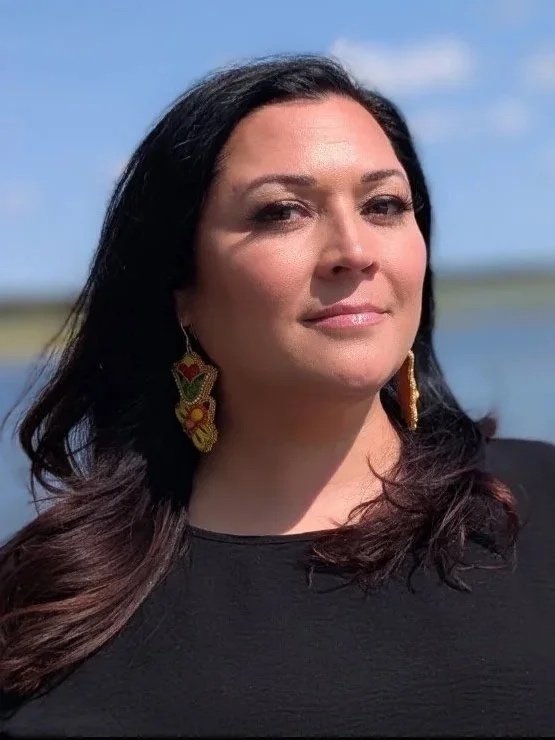
Dr. Heather Igloliorte, an Inuk-Newfoundlander and Nunatsiavut beneficiary, is the Canada Excellence Research Chair in Decolonial and Transformational Indigenous Art Practices at the University of Victoria, BC, where she is a Professor in the Visual Arts Department (2023-). Since 2018 Heather has directed the nation-wide Inuit Futures in Arts Leadership: The Pilimmaksarniq / Pijariuqsarniq Project (2018-2026), a SSHRC-funded partnership grant which supports Inuit postsecondary students to explore professional career paths in all aspects of the arts, including collections management, curatorial practice, arts administration and other areas of the visual and performing arts, in order to address the longstanding absence of Inuit in agential positions within Canadian art history and museum practice.
Igloliorte formerly held a Tier 1 University Research Chair in Circumpolar Indigenous Arts at Concordia University in Montreal, QC, where she was the co-founding director of the Indigenous Futures Research Centre with Prof. Jason Edward Lewis. She has been an independent curator since 2005, and has created or co-created more than thirty curatorial projects throughout her career. In recognition of her contributions to curatorial practice in Canada, in 2021 Igloliorte was awarded The Hnatyshyn Foundation's Award for Curatorial Excellence in Contemporary Art. In addition to her curatorial practice, Igloliorte teaches curatorial studies, critical museology, global Indigenous art history and research-creation at the University of Victoria.
-
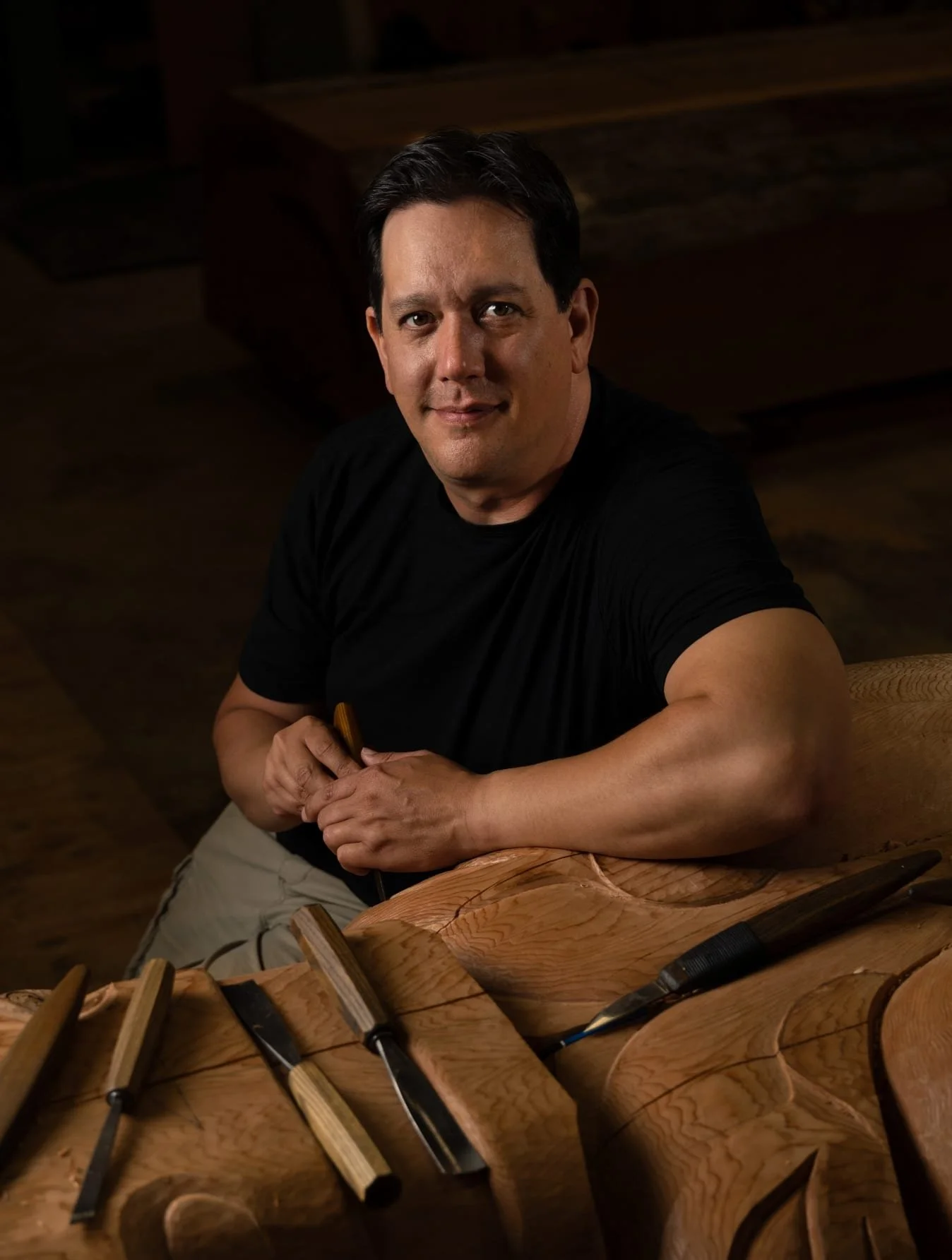
Carey Newman, whose traditional name is Hayalthkin’geme, is a multi-disciplinary artist, carver, filmmaker, author and public speaker. Through his father, he is Kwakwa̱ka̱’wakw from the Kukwaḵ̓a̱m, Gix̱sa̱m, and Wawałaba’yi clans of northern Vancouver Island, and Coast Salish from Xwchíyò:m (Cheam) of the Stó:lō S’olh Temexw (traditional territories) along the upper Fraser Valley. On his mother’s side of the family, his ancestors are English, Irish, and Scottish Settlers. In his artistic practice he strives to highlight Indigenous, social, and environmental issues as he examines the impacts of colonialism and capitalism, harnessing the power of material truth to unearth memory and trigger the necessary emotion to drive positive change. He is also interested in engaging with community and incorporating innovative methods derived from traditional teachings and Indigenous worldviews into his process.
Perhaps his most influential work, The Witness Blanket, made of items collected from residential schools, government buildings and churches across Canada, deals with the subject of Truth and Reconciliation. It is now part of the collection at the Canadian Museum for Human Rights.
Carey was awarded the Meritorious Service Medal in 2017, was named to the Order of British Columbia in 2018, and is the inaugural Impact Chair in Indigenous Art Practices at the University of Victoria. In June of 2023 he was awarded an honorary Doctorate of Laws, honoris causa, by Royal Roads University.
-
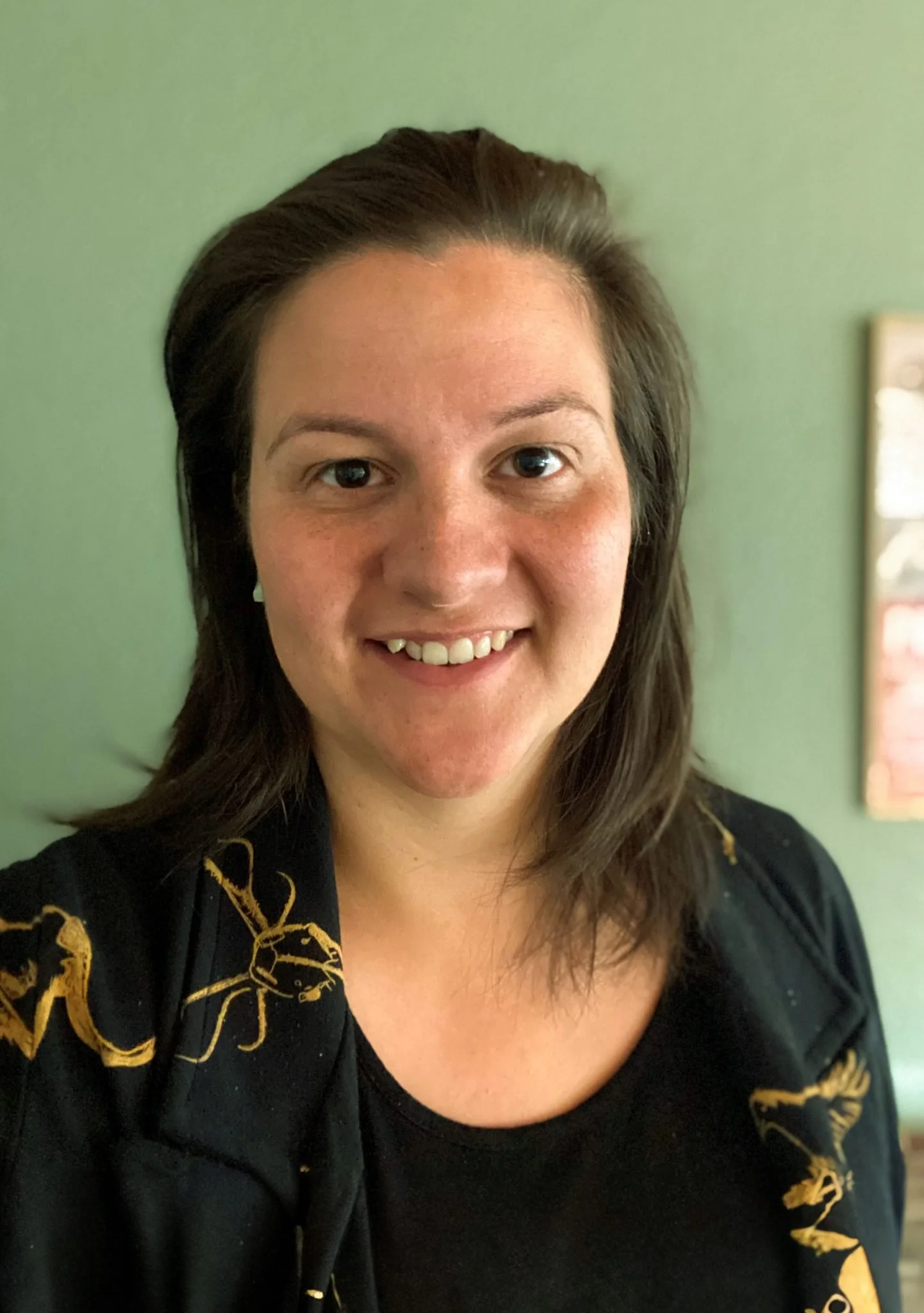
Nivi Christensen has been the Director of Nuummi Eqqumiitsulianik Saqqummersitsivik // Nuuk Art Museum (Kalaallit Nunaat/Greenland) since 2015. She is an Inuk from Kalaallit Nunaat and holds a Master’s degree in Art History from the University of Copenhagen, where she specialized in art from and about Kalaallit Nunaat. She is a regular writer and commentator on art from Kalaallit Nunaat both locally and internationally.
Christensen is a member of a number of boards, including the National Theatre of Greenland, the board of the Association of Greenlandic Museums NUKAKA, and ICOM Denmark. She is the curator of numerous exhibitions, an advisor on major art projects both in and outside Kalaallit Nunaat, and a regular guest lecturer at Ilisimatusarfik – University of Greenland.
Christensen works strategically to create a better framework for Greenlandic art and to strengthen the connections between indigenous people working with culture across the Arctic.
-
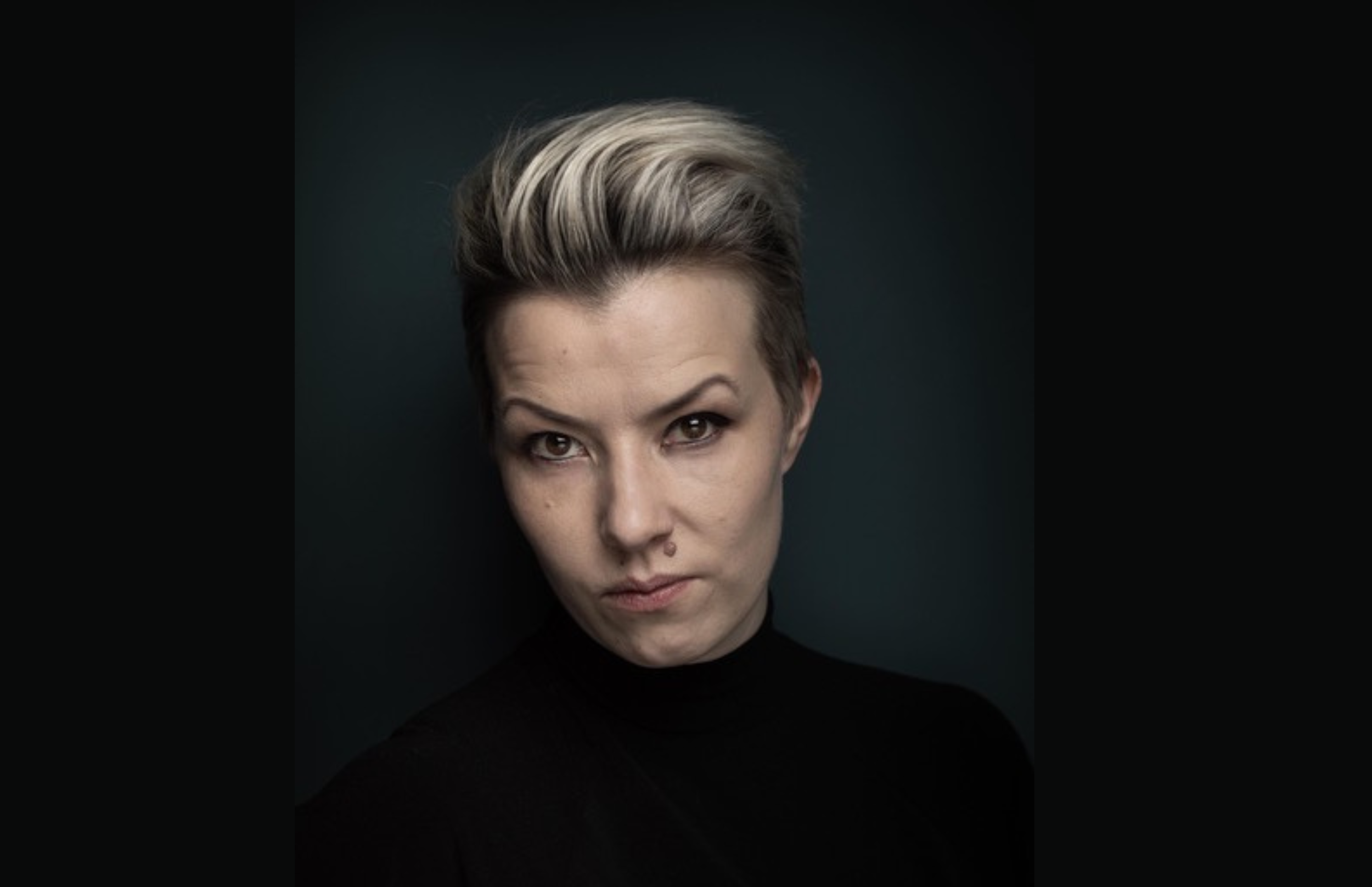
Maria Utsi, is a Sámi cultural leader from the Norwegian side of Sápmi. Her roots trace back to Deatnu/Tana, and she currently resides in Tromsø. Since 2016, she has been a member of the Norwegian Arts Council and was appointed Deputy Chair in 2020. In 2015, she founded the Arctic Arts Summit, a biennial international cultural political platform that brings together policy makers, artists, and stakeholders from all Arctic countries and nations. Utsi's involvement in the cultural sector has been diverse, including her roles as Chairwoman of both the Sámi National Theater Beaivváš and Davvi - Center for Performing Arts. She is currently the Head of the Arctic Arts Summit Secretariat.
-
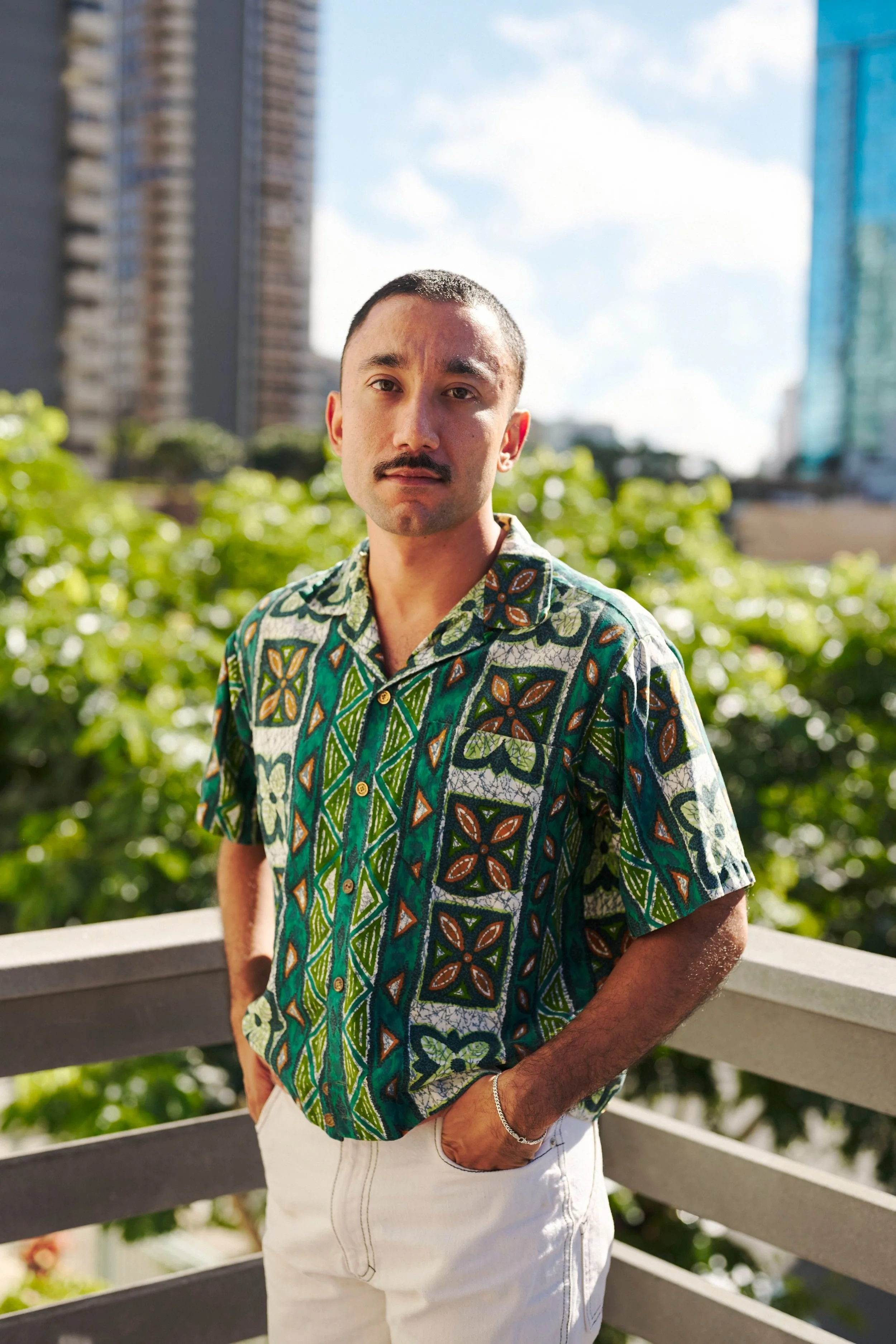
Josh Tengan (Kanaka ʻŌiwi) is a Honolulu-based independent curator, writer, weaver, and community arts organizer from Pauoa, Kona, Oʻahu, where he continues to reside. He currently serves as Associate Director of Hawaiʻi Contemporary, which presents the Hawaiʻi Triennial.
Previously, he was Associate Director of Puʻuhonua Society (2021–2022), where he work with Native Hawaiian and Hawaiʻi-based artists to produce CONTACT (2014–2019), Hawaiʻi’s largest annual thematic contemporary art exhibition. In 2022, he was named an Independent Curators International Curatorial Research Fellow alongside Drew Kahuʻāina Broderick. Together, they developed ʻAi Pōhaku, Stone Eaters, a multi-site exhibition of Kānaka ʻŌiwi contemporary art co-curated with Noelle M.K.Y. Kahanu, presented across the University of Hawaiʻi System on Oʻahu in 2023. In 2024, Tengan co-edited the 808-page publication ʻAi Pōhaku, Stone Eaters: Native Hawaiian Contemporary Art in Hawaiʻi 1973–2023.
His writings on art, artists, exhibitions, and curatorial practice have appeared in publications such as ArtLink, Australia New Zealand Journal of Art, FLUX, Hawaiʻi Contemporary, Nella Media Group, and TROPIC. He serves on the board of directors for Tropic Editions, a Hawaiʻi-based nonprofit publishing imprint dedicated to artist books.
In June 2024, the Mayor of Honolulu appointed Tengan to the Commission on Culture and the Arts, which supports the City in promoting the arts and preserving its cultural heritage. He holds an MA in Curatorial Studies with Distinction from Newcastle University (UK).
-
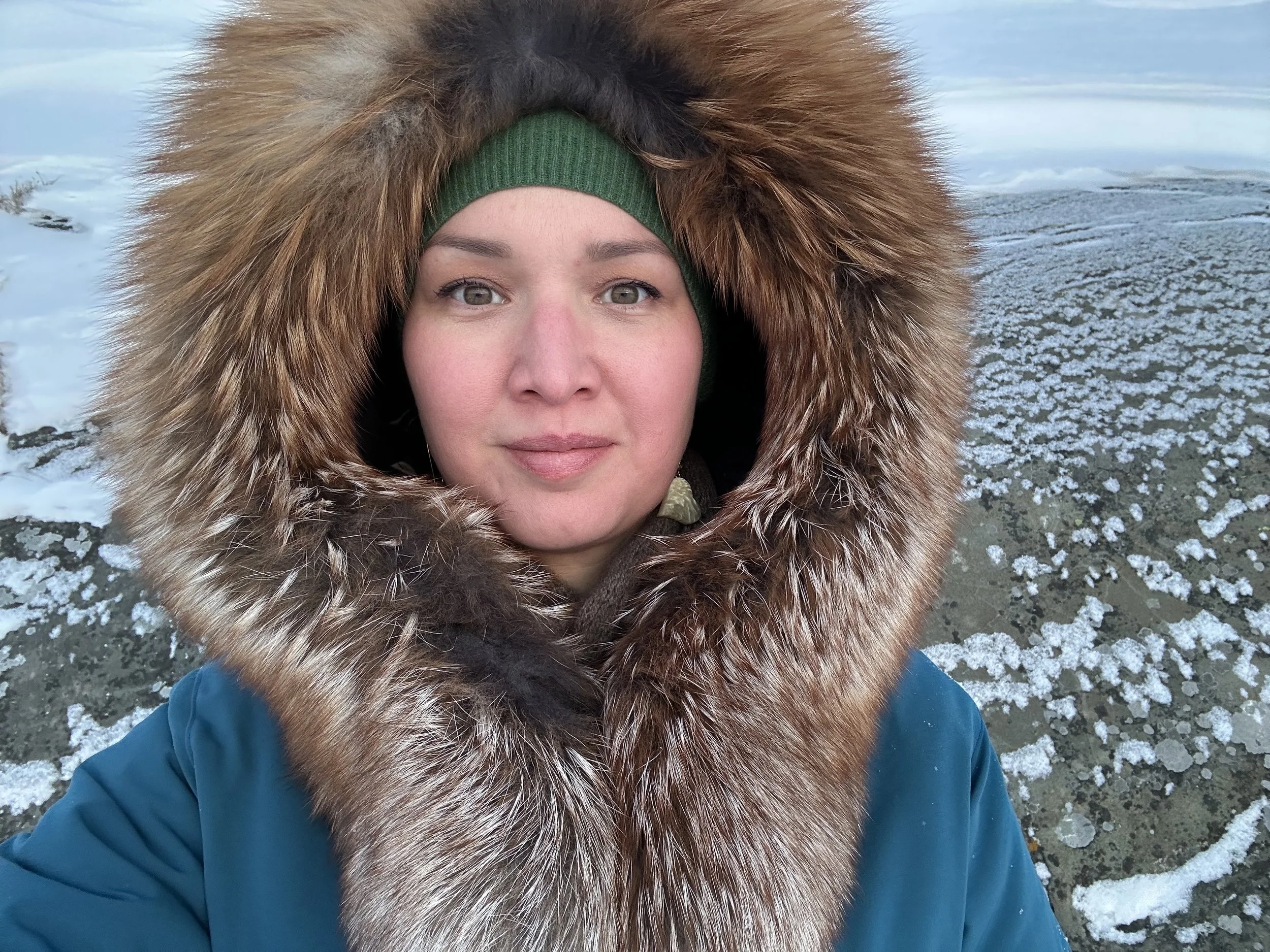
Krista Ulujuk Zawadski is an independent curator, researcher, anthropologist, writer, beader and sewist from Igluligaarjuk (Chesterfield Inlet), NU, and Kangiqłiniq, NU. She holds a PhD in Cultural Mediations from Carleton University.
-
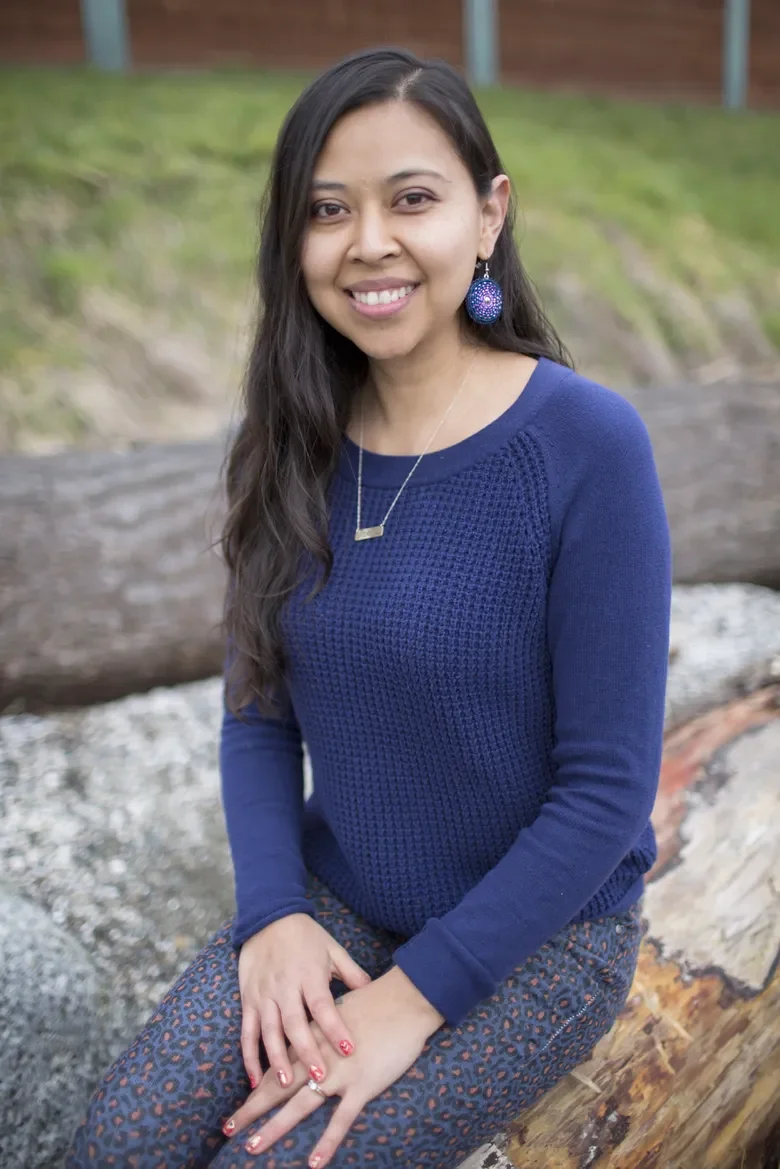
Miranda Belarde-Lewis (PhD) is an assistant professor, the inaugural Jill and Joe McKinstry Endowed Faculty Fellow of Native North American Indigenous Knowledge at the University of Washington’s Information School. She’s also an independent curator who works with artists and tribal, state, federal and international institutions and organizations to promote Native artists and their work.
She works to highlight and celebrate Native artists, their processes, and the exquisite pieces they create. She has taught at Northwest Indian College and the University of Washington. She is enrolled at Zuni Pueblo in New Mexico and a member of the Takdeintáan Clan of the Tlingit Nation. She is a basketball mom.
-
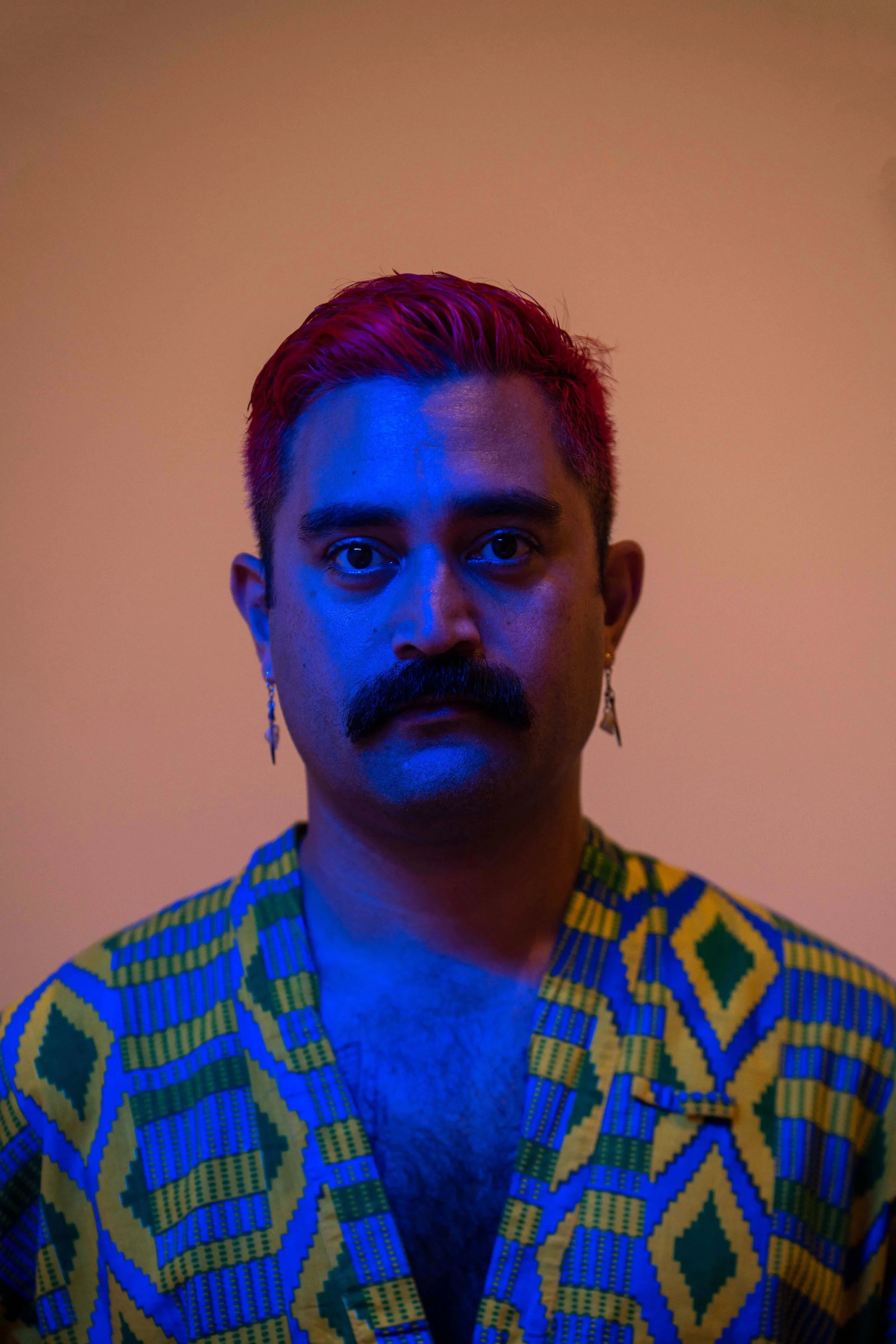
Léuli Eshrāghi belongs to the Sāmoan clans Seumanutafa and Tautua, and lives and works in Montréal, Québec, Canada. Their practice prioritizes Indigenous, Black and Asian art and design, sensual and spoken languages, and ceremonial-political practices. Eshrāghi has presented major works at Tate Modern, Cinéma Moderne, the Staatliche Kunsthalle Baden-Baden, FRAC des Pays de la Loire, Museum of Contemporary Art Australia, Queensland Art Gallery | Gallery of Modern Art, Galerie de l’Université de Montréal, and Australian Centre for Contemporary Art, among others.
Eshrāghi serves as Curator of Indigenous Practices at the Musée des beaux-arts de Montréal, mentor for the Inuit Futures in Arts Leadership and Northern Indigenous Futures initiatives, member of the national curatorial advisory for the 2026 Toronto Biennial of Art, and member of the Conseil des arts de Montréal’s Indigenous Arts Committee.
-
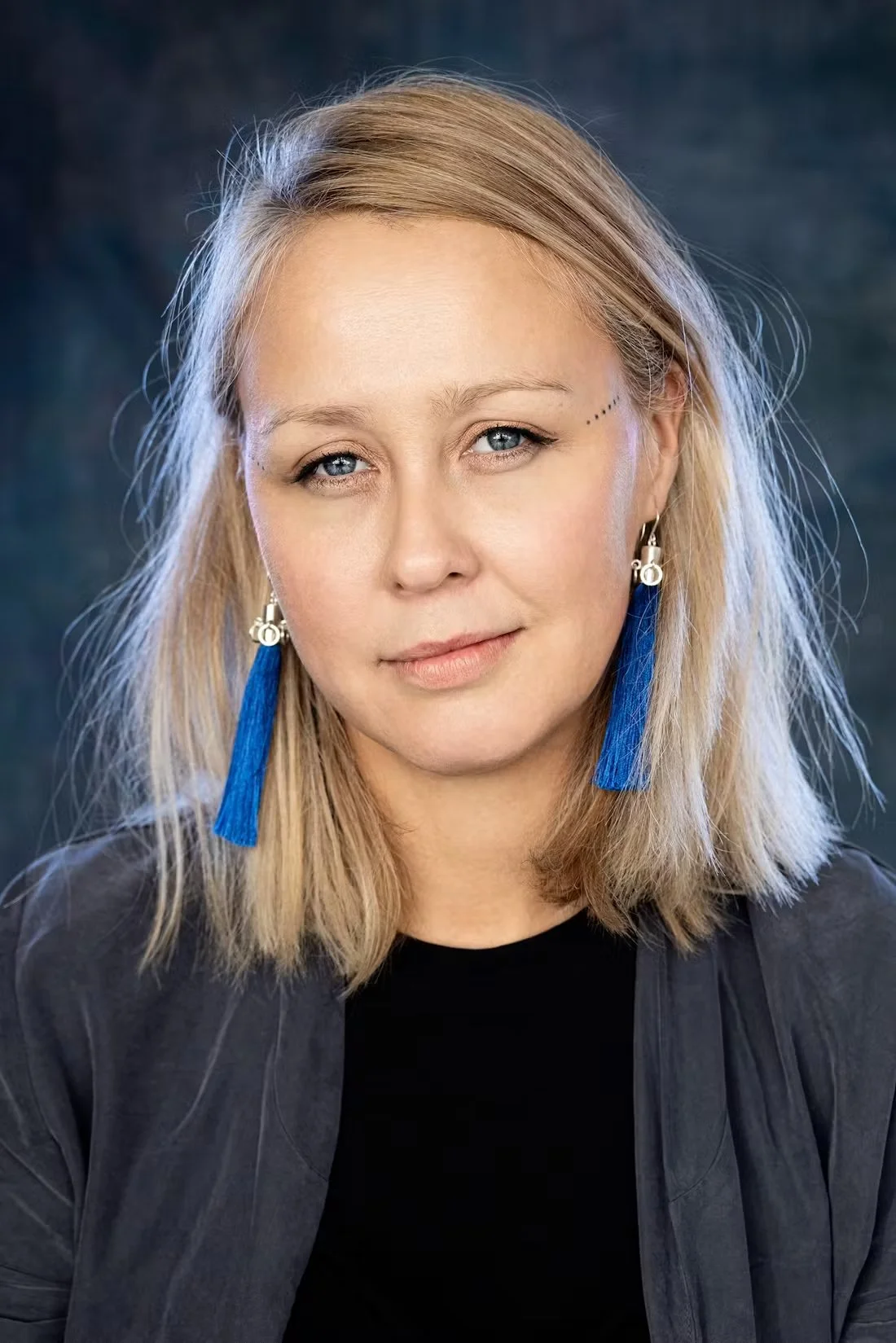
Hōkūlani K. ‘Aikau (Kanaka ‘Ōiwi) is Professor and Director of the School of Indigenous Governance at the University of Victoria. She is the author of A Chosen People, A Promised Land: Mormonism and Race in Hawaiʻi (University of Minnesota Press, 2012). With Vernadette V. Gonzalez, she coedited Detours: A Decolonial Guide to Hawaiʻi (2019) and they edit the Detours Series with Duke University Press. And with Heidi Kiiwetinepinesiik Stark and Aimée Craft she is co-editor of Indigenous Resurgence in an Age of Reconciliation (University of Toronto Press, 2023). Dr. Aikau is also the editor for the Pacific Islands Monograph Series (University of Hawaiʻi Press).
Staff
-
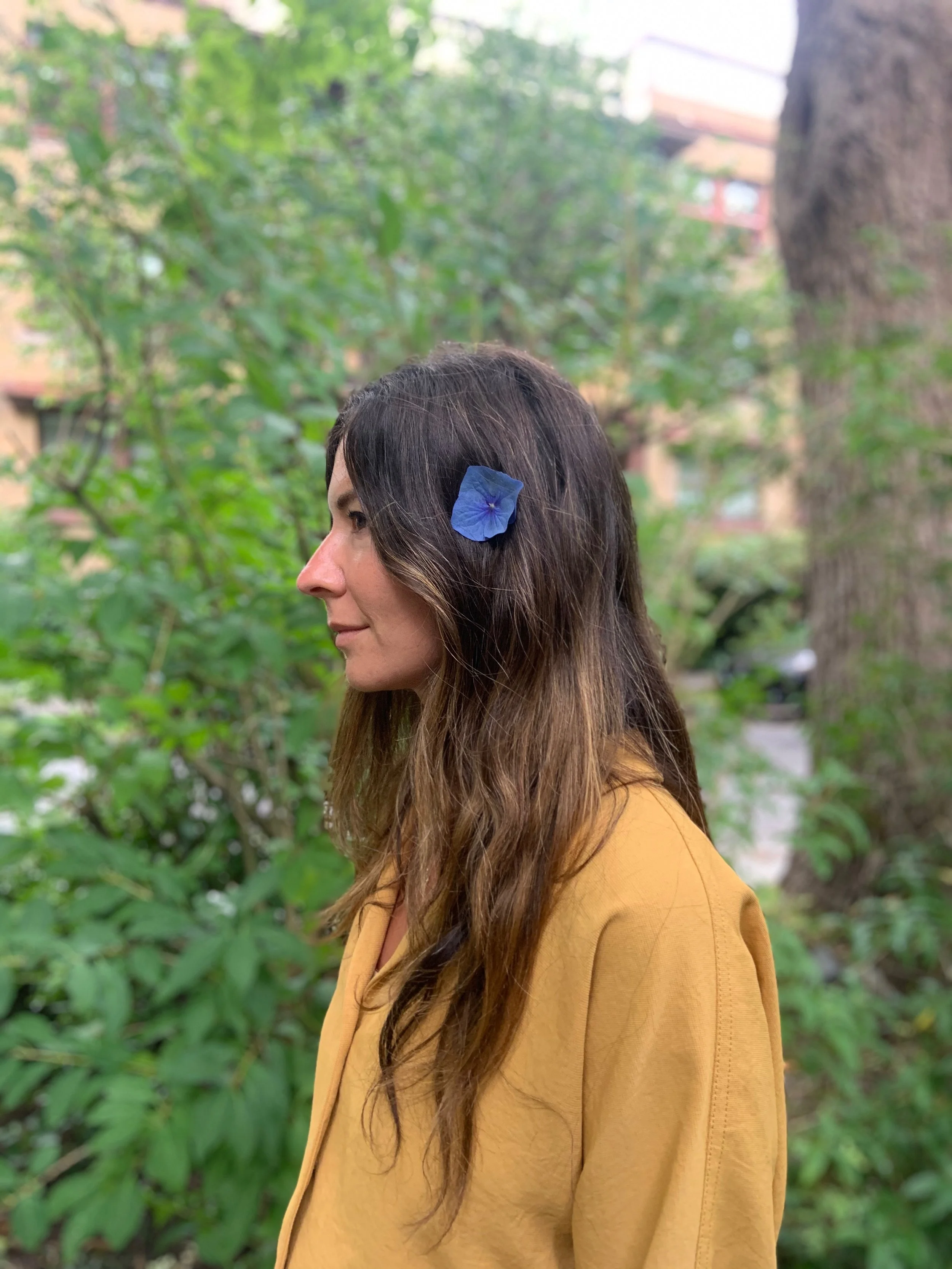
Natalie Rollins is an interdisciplinary artist and emerging curator. Guided by her family lineage (Cree from Driftpile Cree Nation through her father, and English, Irish, and Scottish through her mother) her practice is grounded in relational, place-based ways of learning, walking, and being. Through her artistic and curatorial work, she explores questions of belonging, responsibility, and Indigenous laws as they enact through art, culture, and land.
Her curatorial approach is collaborative, and grounds for a practice in community-centered methodologies that center Indigenous perspectives while creating space for reflection on how we live with and care for the lands, relationships, and the communities we cohabitate.
-
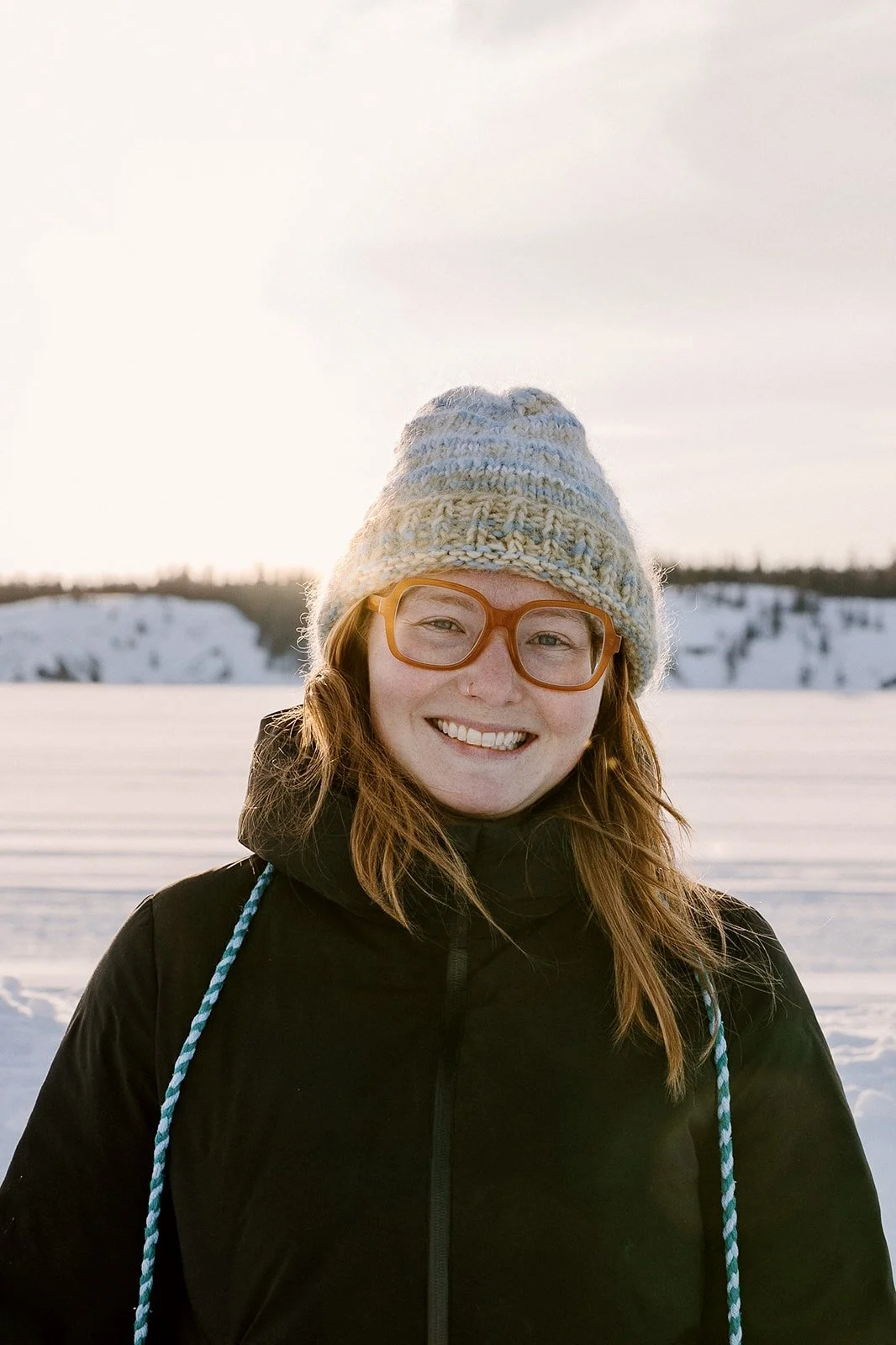
Laura Hodgins is a white-settler arts administrator and curator from Sǫ̀mbak'è on Chief Drygeese Territory in Treaty 8 (Yellowknife, Northwest Territories.) Laura holds an MA in Art History from Concordia University and a BFA in Art History and Visual Studies from the University of Victoria. Her master’s thesis titled “A Concise and Critical Art History of the Northwest Territories” was completed in 2023. As a Northerner, Laura is passionate about fostering and promoting the arts north of the 60th parallel. She is the President of the Yellowknife Artist Run Community Centre, helped organize the 2022 Arctic Arts Summit in Whitehorse, and was a project coordinator of the Inuit Futures in Arts Leadership: The Pilimmaksarniq / Pijariuqsarniq Project from 2021-2026.
-
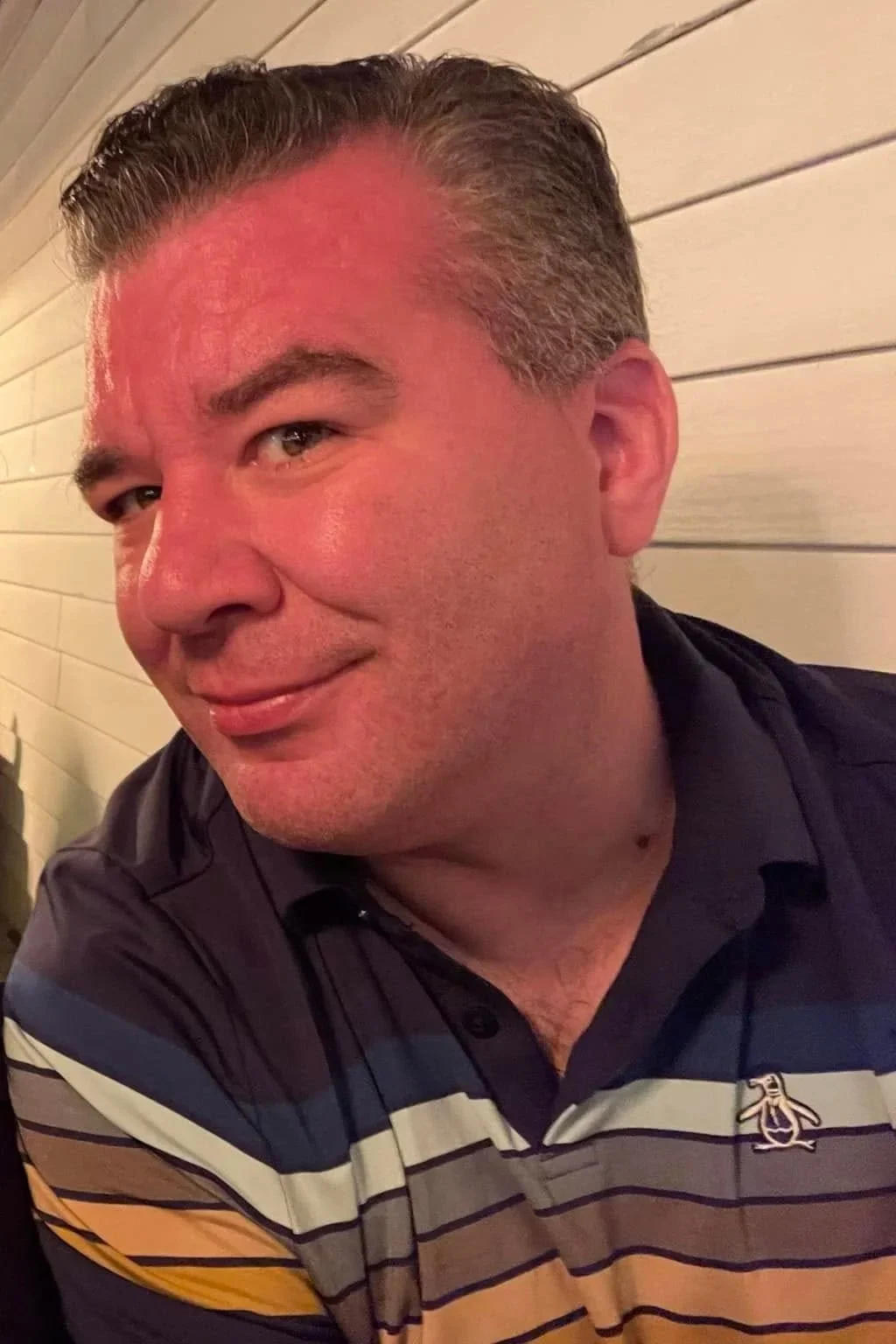
Matthew Brulotte is a film, media arts and video editor. He is an experienced post-production supervisor, sound designer, colourist and visual effects designer with an over twenty-five year career working in Canada and the United States both for film production companies and independently. Brulotte has edited several feature-length narrative films, as well as numerous short films and music videos, and for the last five years focused on documentary in both film and television. He has also worked with internationally renowned visual and new mediaartists to realize largescale gallery, museum, and public art projects in video-based and media art practices such as sound installations, projection, Virtual Reality and 360 films.
Research Assistants
-
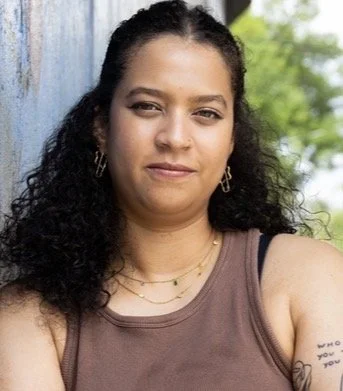
Bria Fernandes is a Canadian-born figurative painter whose work explores the social, cultural, and personal experiences shaped by race, identity, and place. Her art delves into themes of identity, vulnerability, and belonging, using silence, omission, and exclusion as tools to depict oppression and introspection. Through symbolic imagery and passive body postures, she captures moments of self-reflection, focusing on marginalized communities’ unseen emotions and unspoken truths. Working primarily with oil paint and acrylics, Bria incorporates symbolic objects and animals that reflect her personal and cultural narratives. Her intricate works create emotionally resonant spaces, inviting viewers to share these moments of introspection and fostering dialogue about identity, anxiety, and displacement.
-
Taawnishii,
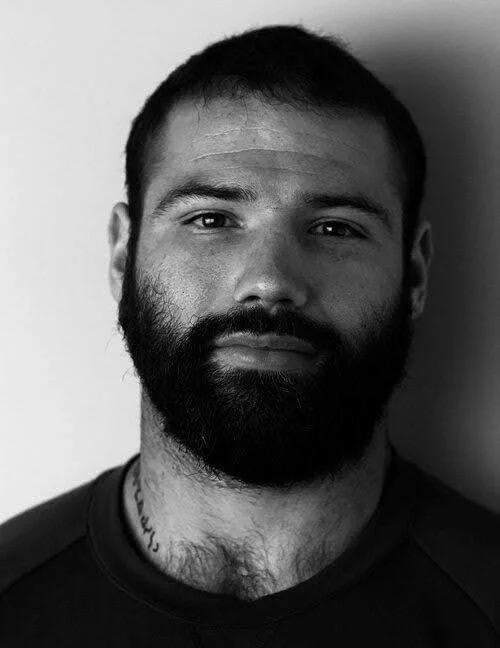
My name is Jesse Campbell, my ancestry on my Mother’s side is Métis, Salteaux, and Cree and on my Father’s side I am mixed European. I am a registered member of the Manitoba Métis Federation. I live and work on the unceeded lands of the Lekwungen people.
I have worked as a professional Mural Artist since 2010 and have worked full time as a professional artist and arts facilitator since 2018. Presently I am the director of Tah’lum Indigenous Artists Collective and Campbell Visual Arts. Most of my practice centres public art installation and working out with other First Nations people as an arts advisor and facilitator.
My philosophy in my work is around the principles of Wakatowin, “work in a good way”, meaning I try to show up with good intentions in my work and provide space for collaboration with other First Nations artists through a relationship of mutual respect and dialogue. This philosophy also extends into my mural work where I try to re-imagine the urban landscape and tell the stories of the land and reclaim the landscape for nature and the First People of the land.
-
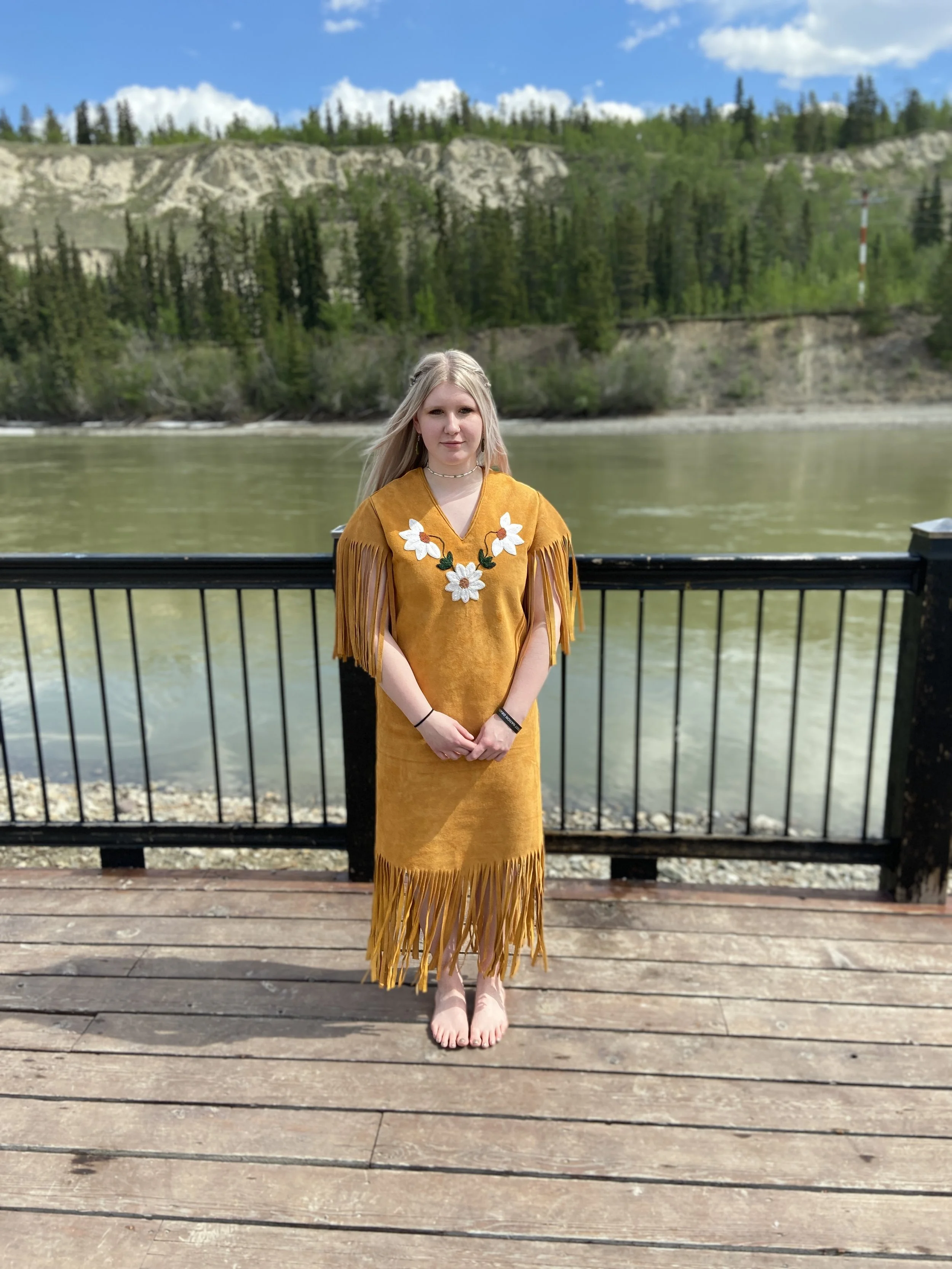
Lauren McKinnon, Uka Yets’änchin, is a Yukon born and raised Champagne and Asihihik First Nations woman, and proud of it. Lauren grew up in the small community of Haines Junction, surrounded by her family and culture. Lauren has spent a majority of her life on the land, she grew up hunting, berrie picking, and learning anything and everything she could from elders and her community. She also spent time traveling and learning about other cultures, and she hopes to continue to do so in the future. She is currently attending the UVIC's Visual Arts program in hopes to further explore and enhance her artistic skill and knowledge. She enjoys exploring a variety of art practices and she often brings her culture into her art creations. She hopes that her time at UVIC will help hone in her artistic self and allow her to explore future opportunities, making new connections and friendships along the way. Lauren is also a proficient traditional beader and sewer and is currently the leading RA in the University’s drop-in weekly beading sessions “Just Bead It”. Her beading knowledge primarily came from her Grandmother, this is also who she inherited her First Nations status from.
-
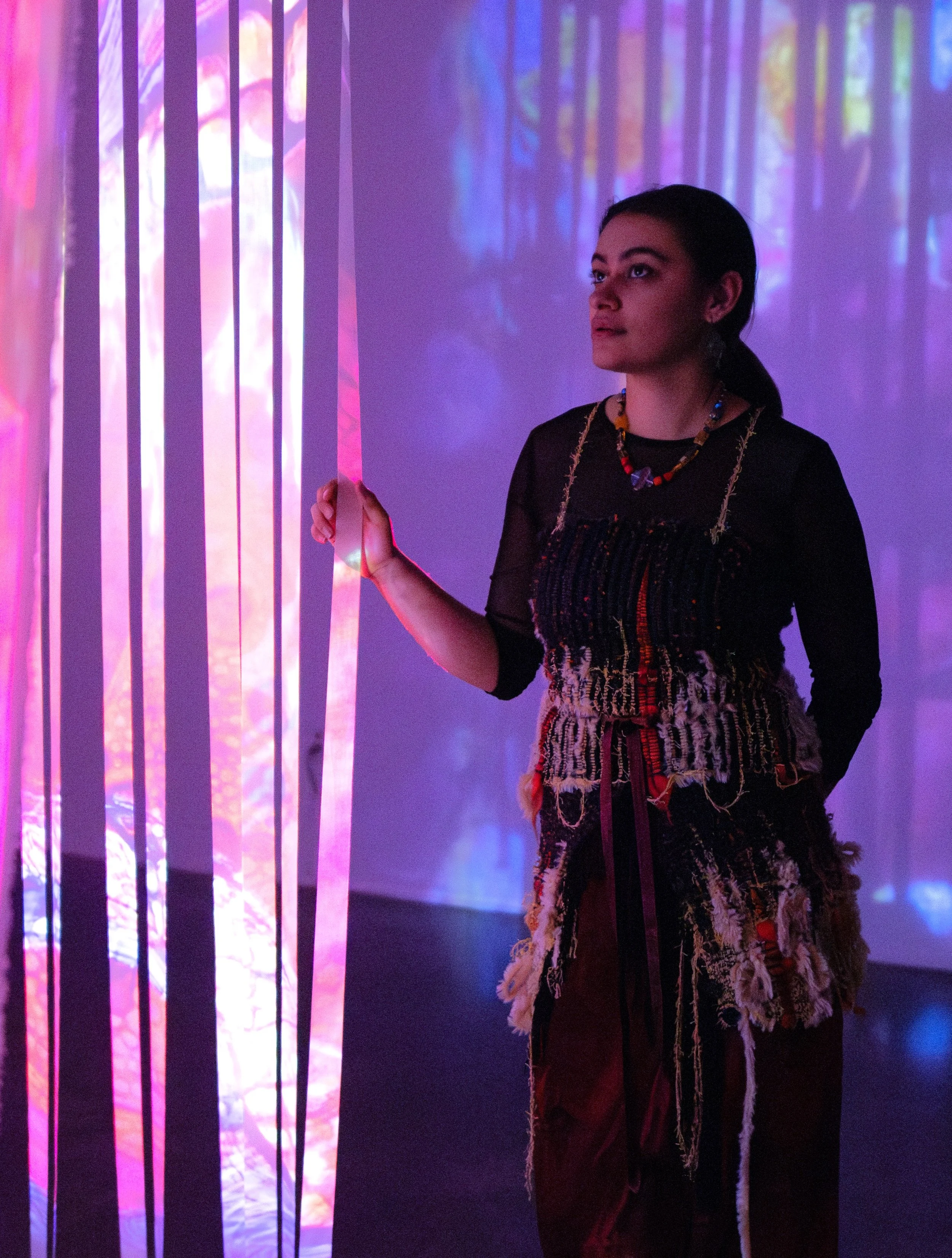
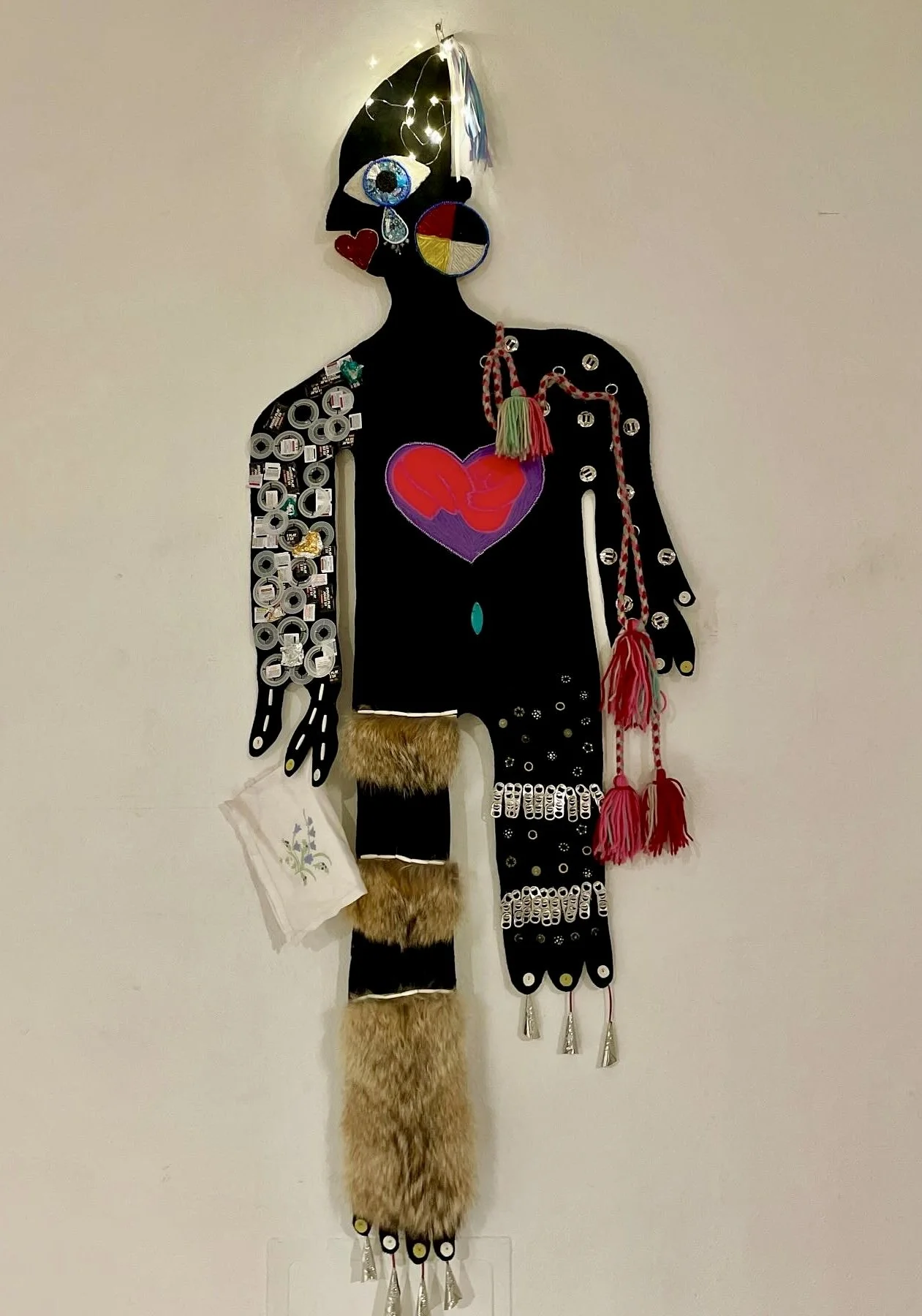
Satya Underhill Garcia is an interdisciplinary artist who grew up on the West Coast of Canada. She received a BFA with honours from the University of Victoria in 2025, and is continuing to pursue her studies at the university. Her mother is indigenous from central Mexico and her father is the 4th generation in his family of European settlers to live on SDȺY¸ES (Pender Island), where Satya grew up, the traditional territory of the WSANEC Peoples. Satya primarily works with drawing, painting, and video based mediums. Her video work often has an installation component where she uses projectors, lighting, fabric, and objects that have personal cultural significance to her, to create an immersive space. Satya has been exploring themes around change, transformation, cultural identity, and the relationship between these themes, converging as a meditation on cultural evolution. Cultural heritage and changes in cultural understandings experienced by diaspora is often a focal point in her work. Satya aims to create a place for reflection in her videos, sometimes with a more personal focus and other times diverting from the personal.
-
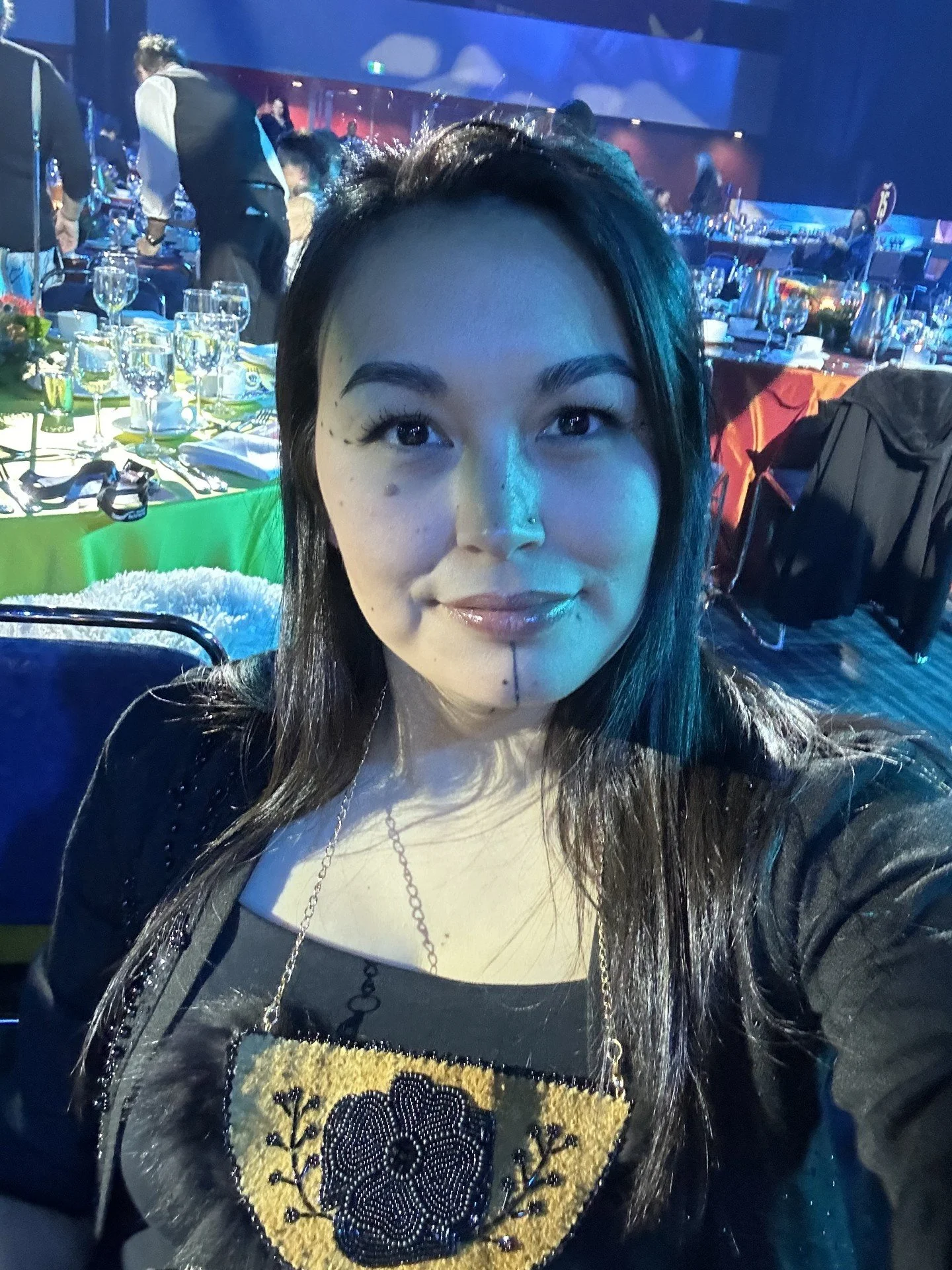
Born and raised in Treaty 6 territory, Chris is a Denesuline and Scottish Two-Spirit Interdisciplinary Artist and Graduate Student whose work reflects the realities of their upbringing as an Urban Indigenous person raised off their reservation. Drawing on the lived experience of being both Indigenous and a second-generation immigrant, Chris’s work explores what it means to create space for oneself in settled landscapes and bodies as well as examines what everyday resistance looks like through an Indigenous lens. Interested from a young age about the power that art and curation holds in storytelling, Chris was inspired by their parents, who, through their work supporting at-risk individuals, demonstrated the necessity of radical care and creation within spaces of healing and recovery, which remains a central teaching within their practice. Chris received their BA in Indigenous Studies from the University of Victoria in 2024 and is continuing their studies by pursuing an MA in Art History with a focus on Indigenous curatorial practice through the lens of resistance.
-
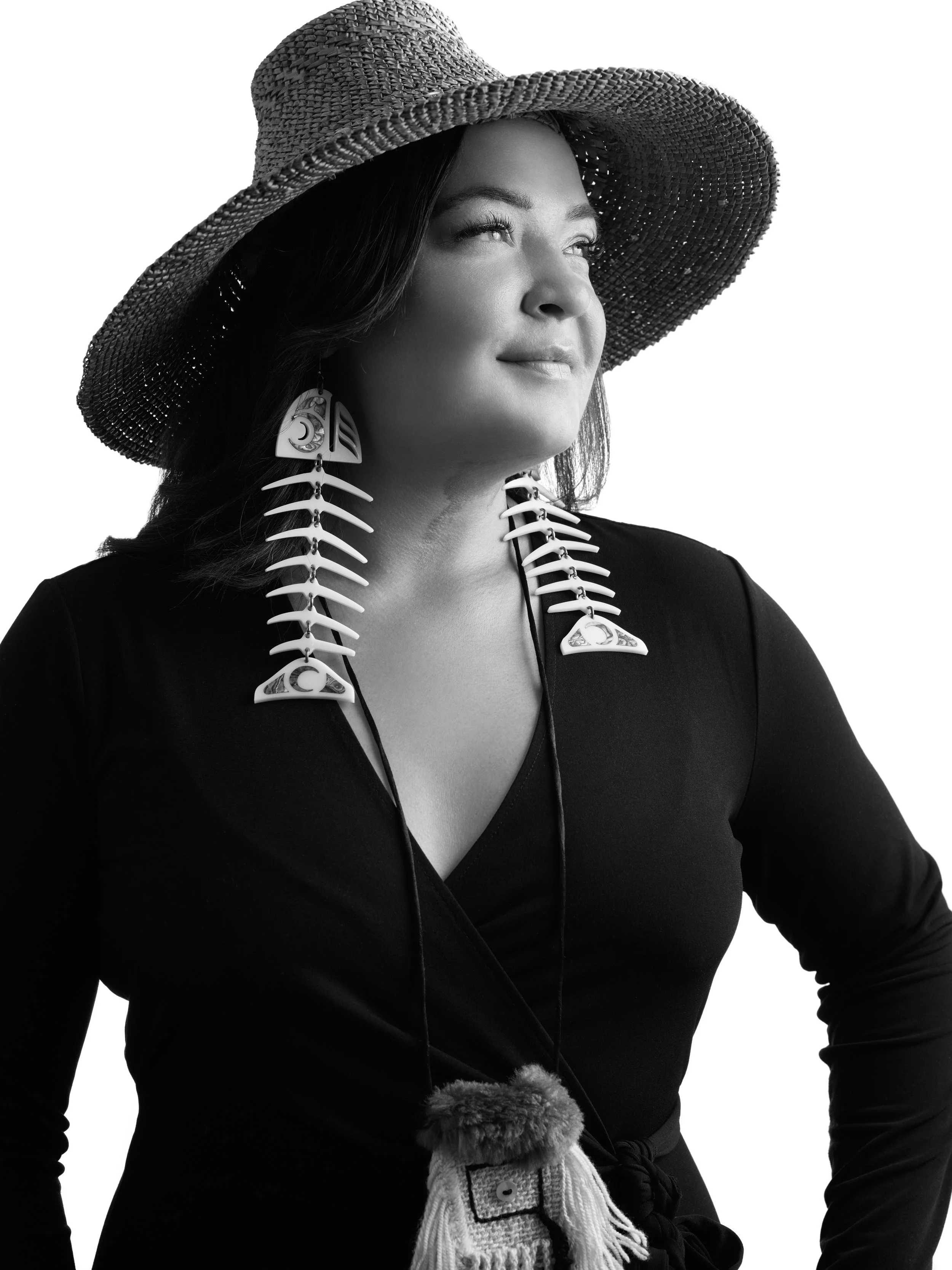
Katie Pootoogook Manomie Ngujunga, Nunavuumi Innu-Nii-Kuu-Junga. Katie Pootoogook Manomie is an Inuk woman born in Iqaluit, Nunavut, and her family comes from Kinngait, Nunavut. Katie is a part of the 60's scoop and was raised in the T-Sou'ke Nation, and is currently an invited guest from Skip Dick in the Lekwungen Territory. Katie has completed five years of post-secondary education, earning a certificate in Indigenous Family Support, a diploma in Indigenous Studies, and a degree in Indigenous Studies.
Katie started Aakuluk Creations in 2022 after learning how to bead from Lindsay Delaronde at Camosun College. She incorporates sealskin sent from her sister, Sarah Maniapik, and feels that she holds the gift of creating from her ancestors, as she is self-taught.
Katie's future goals are to enter the Indigenous Law program at UVIC and advocate for Inuit/Indigenous children within the foster care system.
-
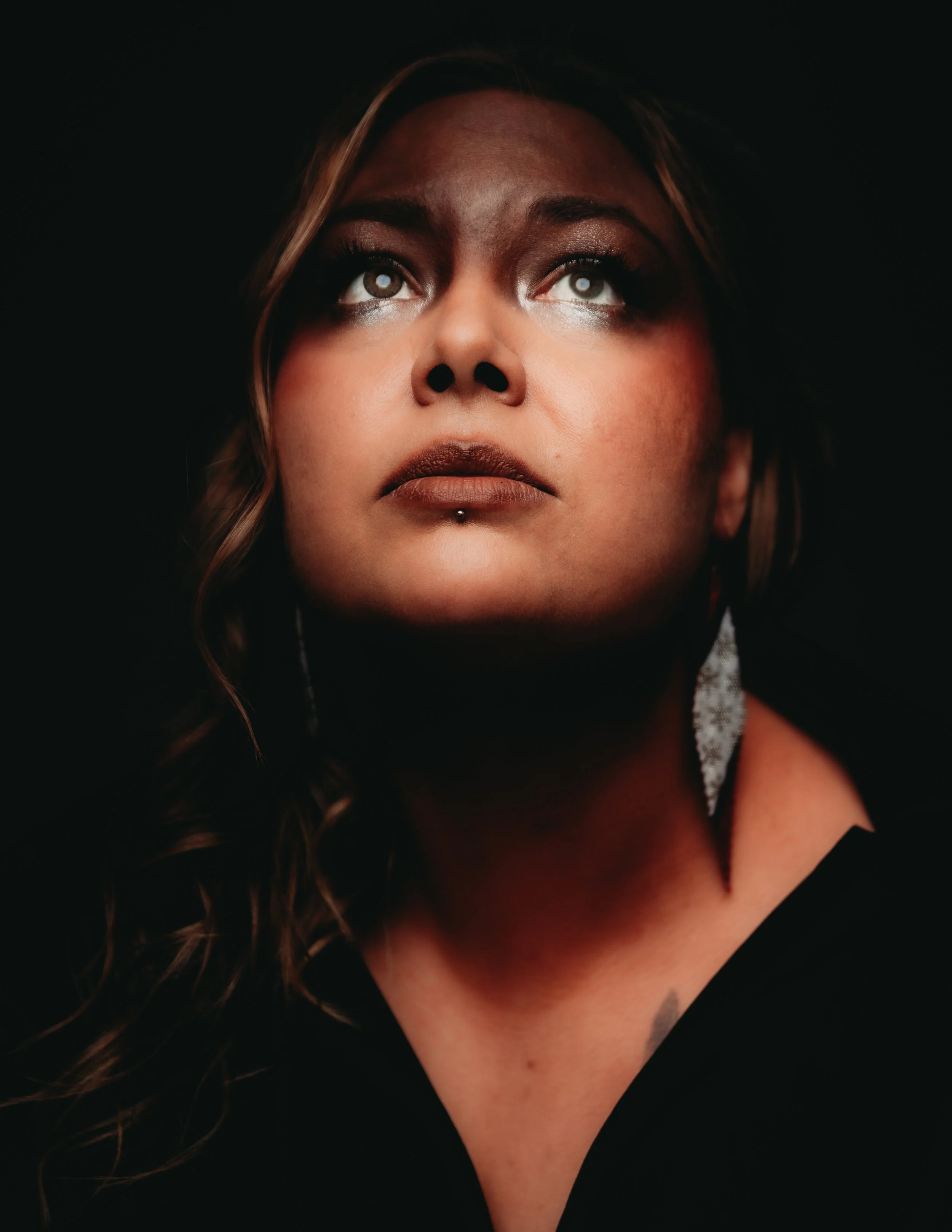
Guná is of Dakhká Tlingit/Tagish Khwáan ancestry from the Dahk’laweidi Clan. She honors her ancestral Tlingit art form while merging formline into a bold contemporary vision. Trained by masters such as William Wasden and Mike Dangeli, and educated at Emily Carr University of Art and Design, she channels her culture into art that challenges and confronts, shaping her unique approach to visual storytelling. Her work, which has been recognized with awards like the William and Meredith Sanderson Prize for Emerging Canadian Artists, and longlisted for the Yukon Art Prize and national Sobey Award, has been exhibited in galleries across Canada. Guná has shared her knowledge through lectures and workshops at institutions such as Princeton, Emily Carr, and Stellenbosch, where she explores themes of cultural theft, decolonization, and healing. For Guná, art is activism—a call to respect, protect, and empower. She is committed to utilizing her art as a powerful voice for Tlingit sovereignty, thereby inviting audiences to honor Indigenous resilience.
-
Mishelle Lavoie is a Sahtúot'įnę artist and designer who was born and raised in Inuvik and Yellowknife, NT, and is now residing in Victoria, BC with her young son. She has always been a creative person, winning numerous poster and design contests as a youth, and even representing the Northwest Territories in Ottawa for the Canada Day Poster Challenge as a finalist. She enjoys creating art in all forms and mediums but mainly sticks to peyote stitch and is now creating her own unique designs and earrings. Mishelle takes inspiration from all aspects of her life and enjoys the whole design process, from the design layout, choosing colours, and stitching one bead at a time. In the long run Mishelle hopes to become a cultural art therapist as well and release her own fashion line and hopes to help others through art by bring a sense of calm, joy, and relaxation.
Past Research Assistants
-
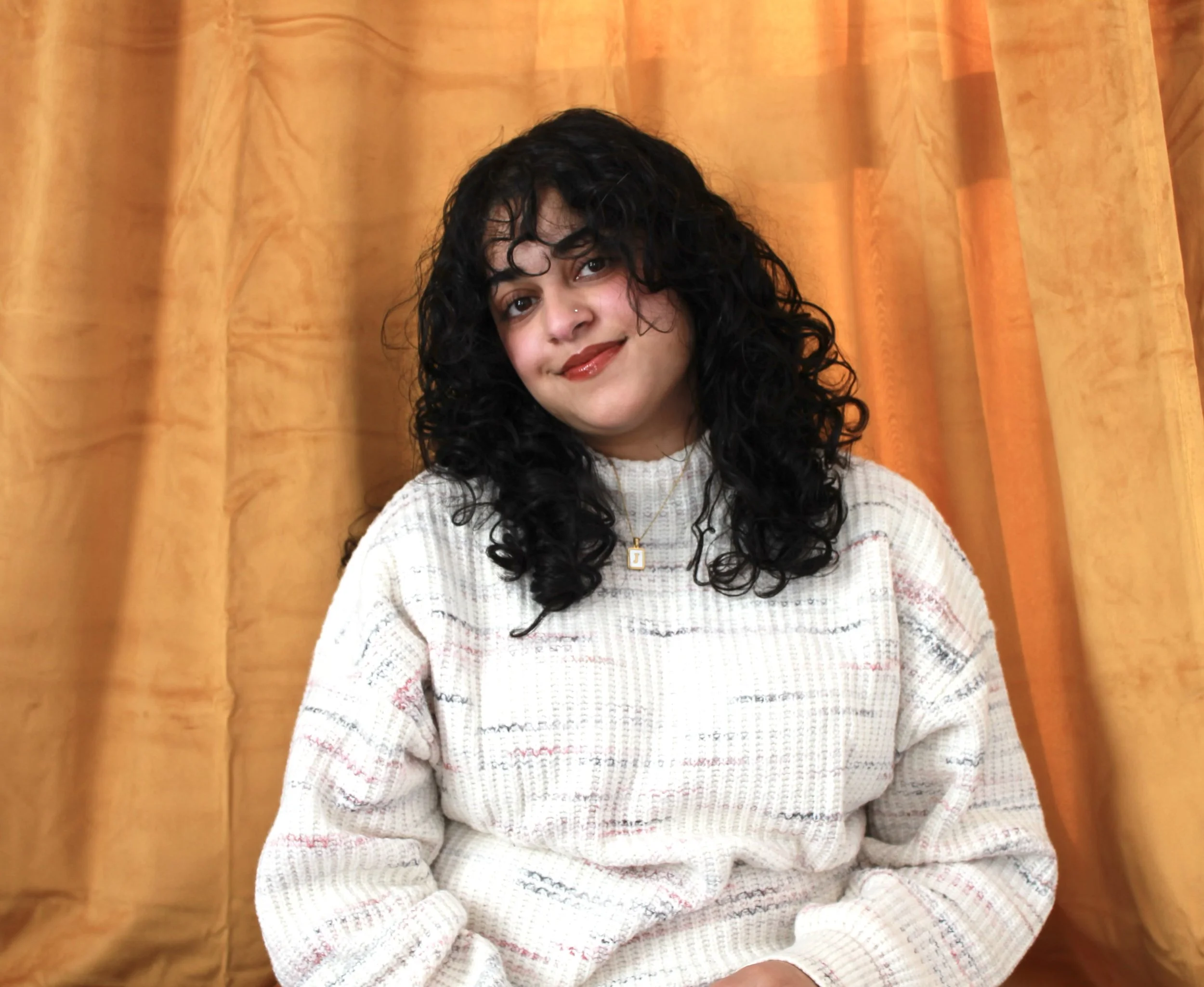
Born and raised in Tkaronto/Toronto, Jasmine Sihra is a PhD candidate in the Department of Art History at Concordia University. Her career and research focus on sustainability, pollution, and arts and curatorial practices. Her research is funded by a Social Sciences and Humanities Research Council of Canada (SSHRC) Doctoral Fellowship (2022) and Concordia University’s Faculty of Fine Arts Fellowship (2022). https://jasminesihra.ca/
-
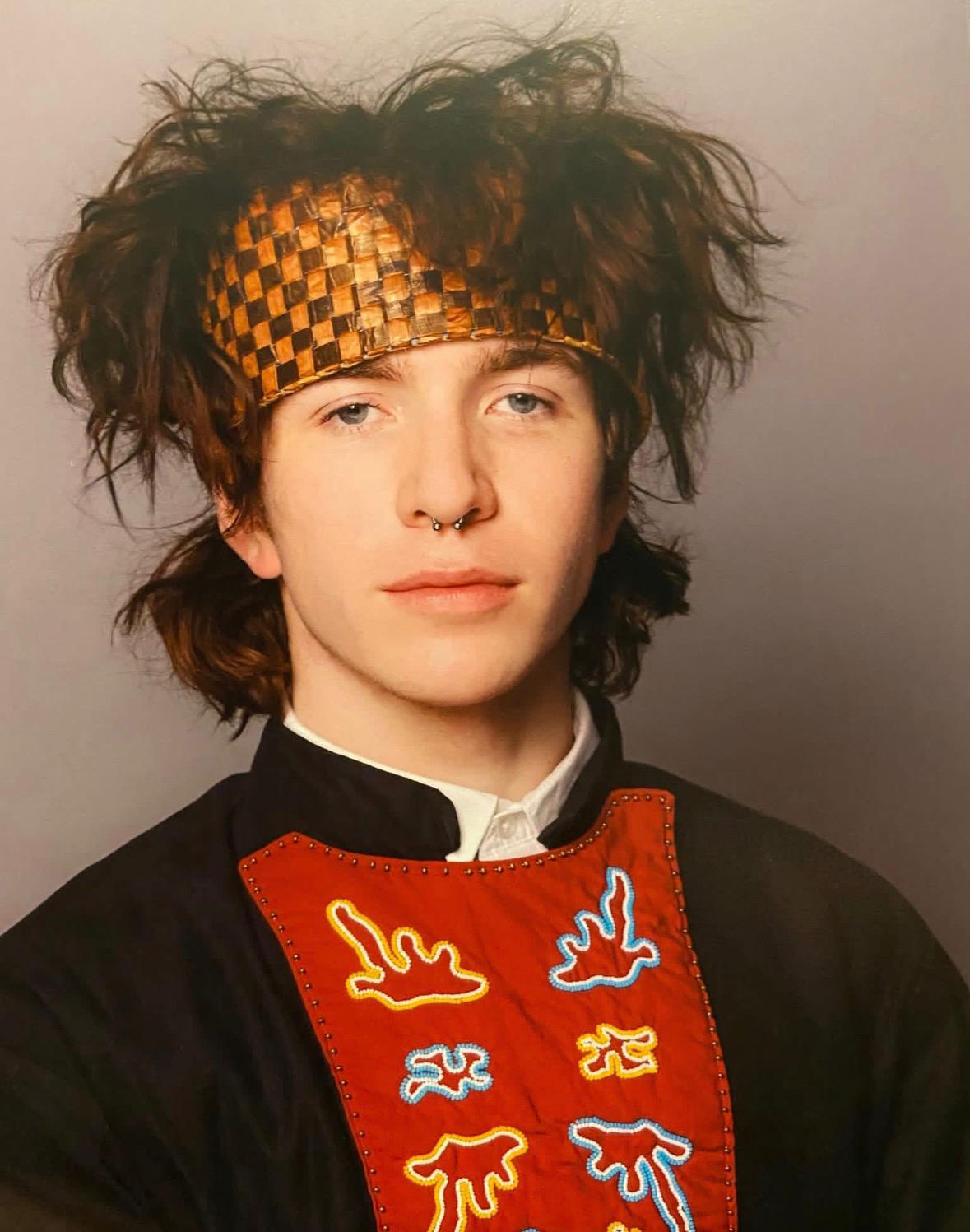
Nathan Boulanger is a member of the Ta’an Kwächän/Kwanlin Dün First Nations. Growing up in the Yukon, he spent much of his youth immersed in the natural landscape, gaining a deep understanding and appreciation for the land and its significance to his culture. This connection to the environment greatly influences Nathan’s artistic expression.
In Nathan’s artwork, he specializes in carving and tattoo artistry, drawing inspiration from traditional line work techniques. His works often feature designs that represent nature and animals, reflecting the beauty and spirit of the world around me. By combining contemporary practices with traditional artistry, Nathan tries to honour his heritage while engaging with a wider audience.
Through carvings and tattoos, Nathan aims to tell stories and convey cultural significance, celebrating the rich traditions of his culture. He hopes his art serves as a bridge between generations, sharing the teachings stories and values of the Ta’an Kwächän/Kwanlin Dün First Nations giving the future youth the same guidance I had. Thank you for reading Mahsí chó
-
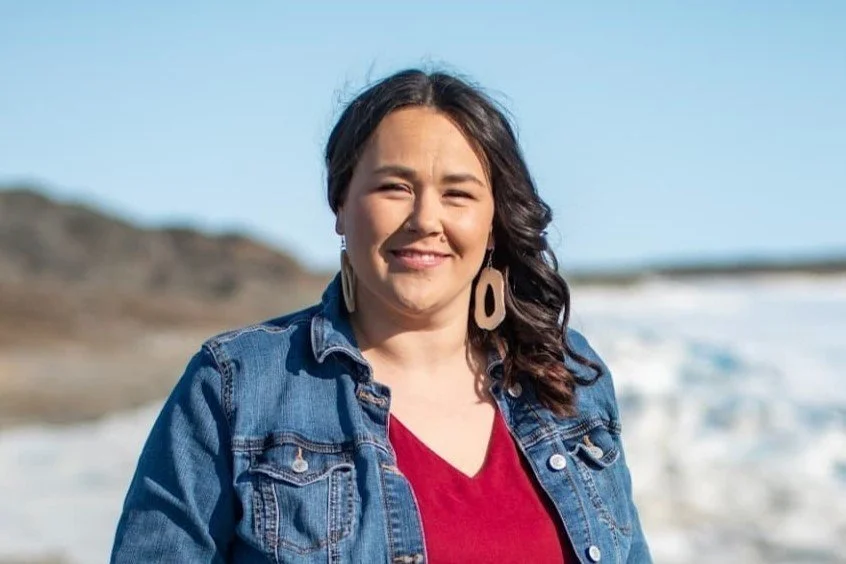
Inuujaq Leslie Fredlund hails from Rankin Inlet, Nunavut where she raised her family and started her business "Maybe Somewhere". Inuujaq has taken a break from entrepreneurship to pursue her bachelor of arts degree at NSCAD University in Kjipuktuk (Halifax, NS). She is a maker who enjoys sculpture, jewelry making, beading, textiles, photography, and writing. Inuujaq is passionate about sharing skills and knowledge with her fellow Indigenous creators.
-
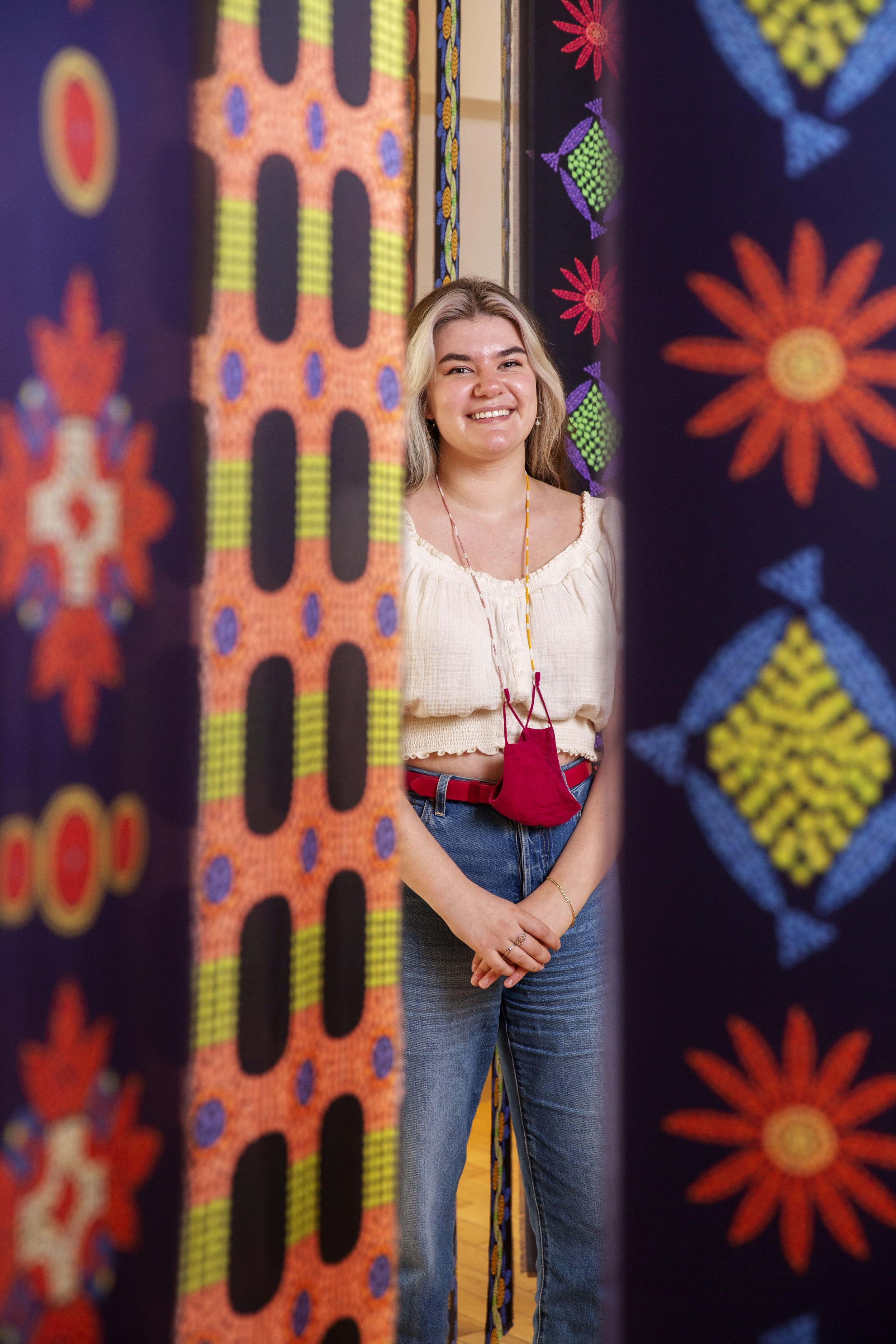
Mel Granley is a mixed Michif / European settler (Ukrainian, German, Czech) and independent curator. Her Michif family has ties to Treaty 6 territories, primarily amiskwaciwâskahikan, otherwise known as Edmonton, with relations to the Chalifoux, Paquette, and Roland families. She currently lives and works on the stolen lands of the Sḵwx̱wú7mesh, Səl̓ílwətaʔ, and xwməθkwəy̓əm peoples. She holds a bachelor’s degree in Art History from the University of Victoria, and is currently attending the University of British Columbia as a master’s student in the Critical Curatorial Studies department.
-
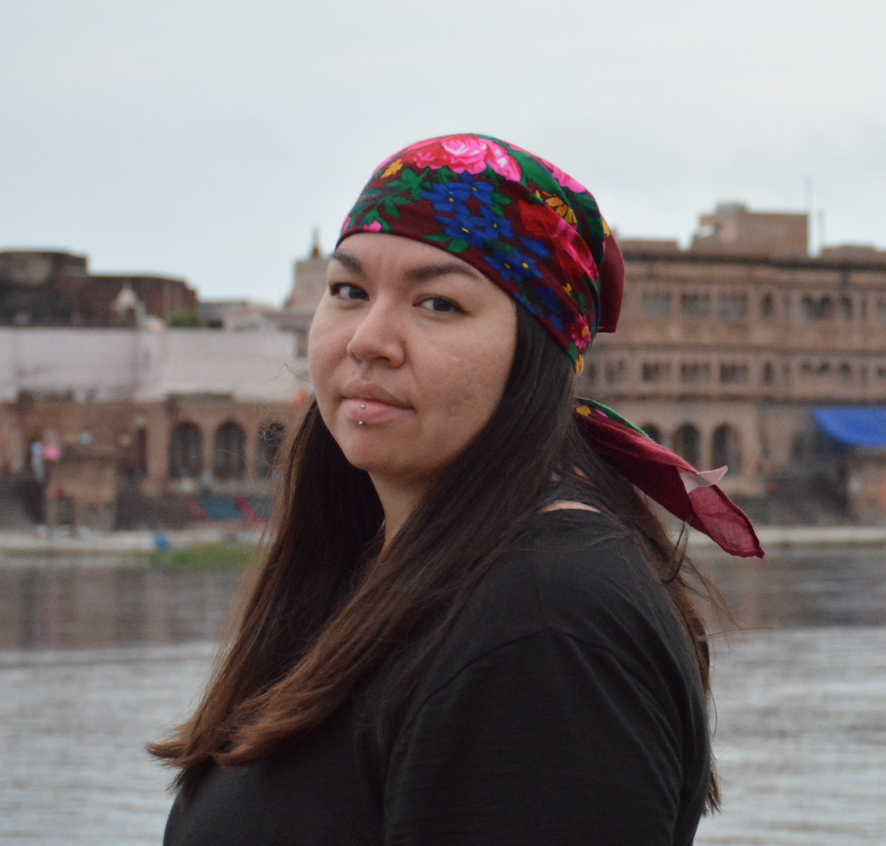
Kylie Fineday is a nehiyaw (Plains Cree) artist and curator from Sweetgrass First Nation, a small community in rural Saskatchewan. Fineday completed the BFA-Art Studio program at the University of Lethbridge in 2020 with great distinction, an honours thesis, and the Faculty of Fine Arts Gold Medal, and is now an MFA candidate at the University of Victoria. Fineday’s conceptual practice focuses on themes of personal identity and family history, as well as addressing social and environmental issues and injustices, particularly those affecting Indigenous communities within Canada. Through a queer Plains Cree perspective, Fineday also uses natural materials in temporary installations and performance to exemplify a relationship with the non-human world that is based on reciprocity and kinship. Fineday’s material practice is multidisciplinary, and includes drawing, painting, photography, video, performance, sculpture, and textiles such as sewing and beadwork, as well as explorations with materials harvested from the natural world.
Partners