The Work Yet to Come
March 26 - 29, 2026
The Hourglass (1101 Yates St, Victoria BC)
Opening: Thursday, March 26, 7:00-9:00pm Music, food and drinks
The Work Yet To Come
Curated by The 351 Collective:
Lia Candler
Ashley de Kroon
Claire Jorgensen
Chris Mockford
Sarah Nishida
Izze Perrella
Steven von Schulmann
We gratefully acknowledge the Lək̓ʷəŋən-speaking peoples, the Songhees and Xʷsepsəm/Esquimalt, and the W̱SÁNEĆ Peoples, whose historical relationships with the land continue to this day.
What happens when we look beyond uncertainty? That was the question in all of our minds as we set out to curate an exhibition. In a time of war, illness, immense class disparity, and climate anxiety, what are we looking forward to? How do we look to navigate our current realities and futures when the world at large seems so bleak? As we live in what the media has dubbed 'uncertain times,' how can we - as students, curators, and artists - model hope?
The Late Dr. George Elmer of the Songhees Nation and W̱SÁNEĆ Dr. John Elliott gifted the University of Victoria’s First Peoples House with guiding principles. One shared principle was Leʔt šxʷ helə ʔə cə mək̓ʷ sčeʔi səʔ S,HOL EṮ MEQ EN ENÁ SE SĆȺ, “Be prepared for the work to come.” Our collective was inspired by this teaching. This call to action reminds us that our shared future is in our handsthrough the meaningful work of educating ourselves, elevating Indigenous voices, and decentering the colonial structures that led us here. The teaching also provides a sense of hope: when we acknowledge that there is still work to do, we come to understand that we have responsibilities to work towards, and we have to find the strength to set a course towards a better future.
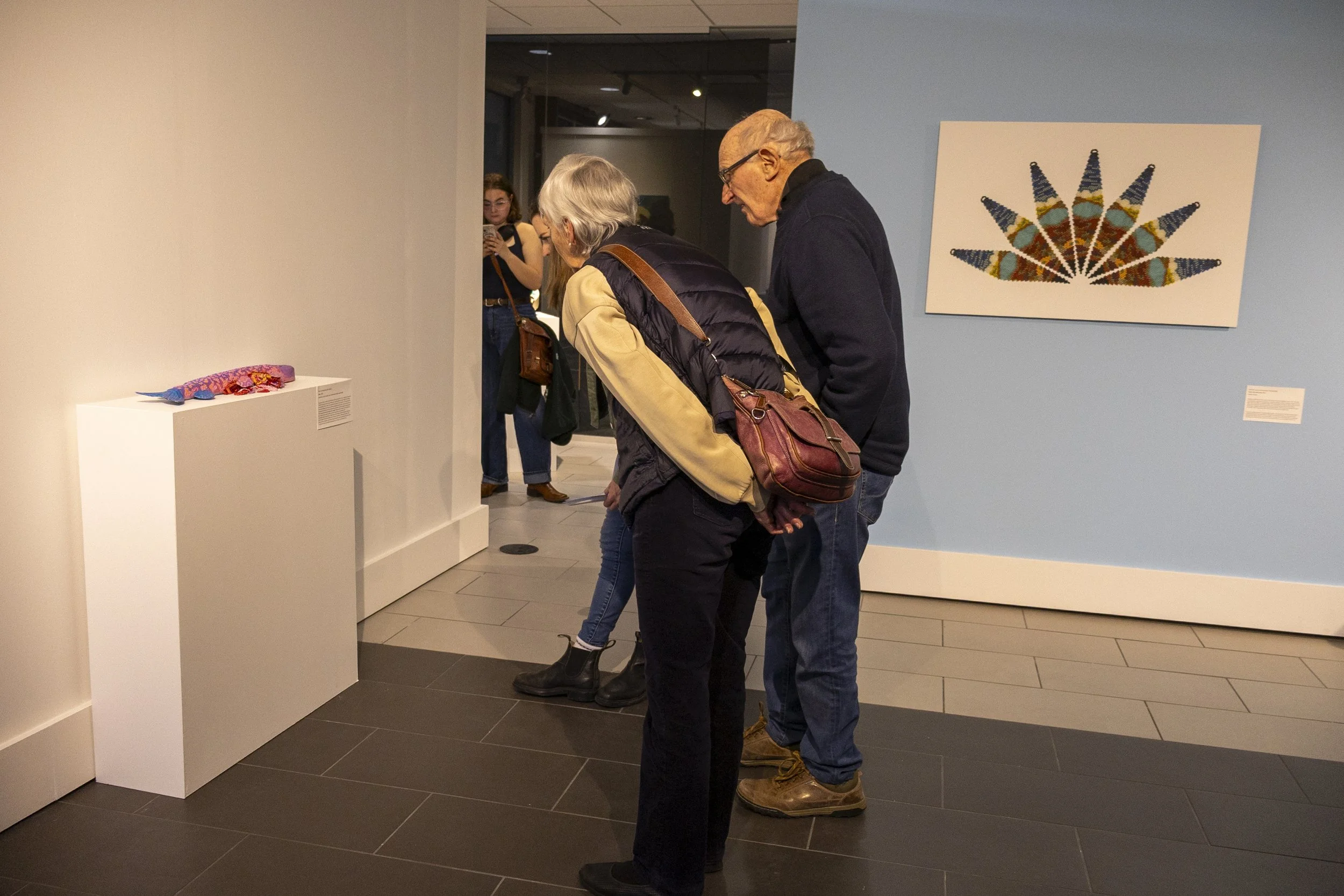
In setting this collective intention, we realized we had to center Indigenous Peoples and future generations in this work. We are therefore grateful for the many local, emerging, and student Indigenous artists who offered their artwork and perspectives to this exhibition. We were honoured to receive a large number of submissions, from both local Indigenous Peoples as well as First Nations, Métis, and Inuit from elsewhere who now call Lək̓ʷəŋən territory their home. Through their work, these artists share how they foster resilience and sustain and build community through living relationships, commitments, and collaboration. Together, their works explore the many ways that community, home, and connection are experienced through Indigenous love on Indigenous Land.
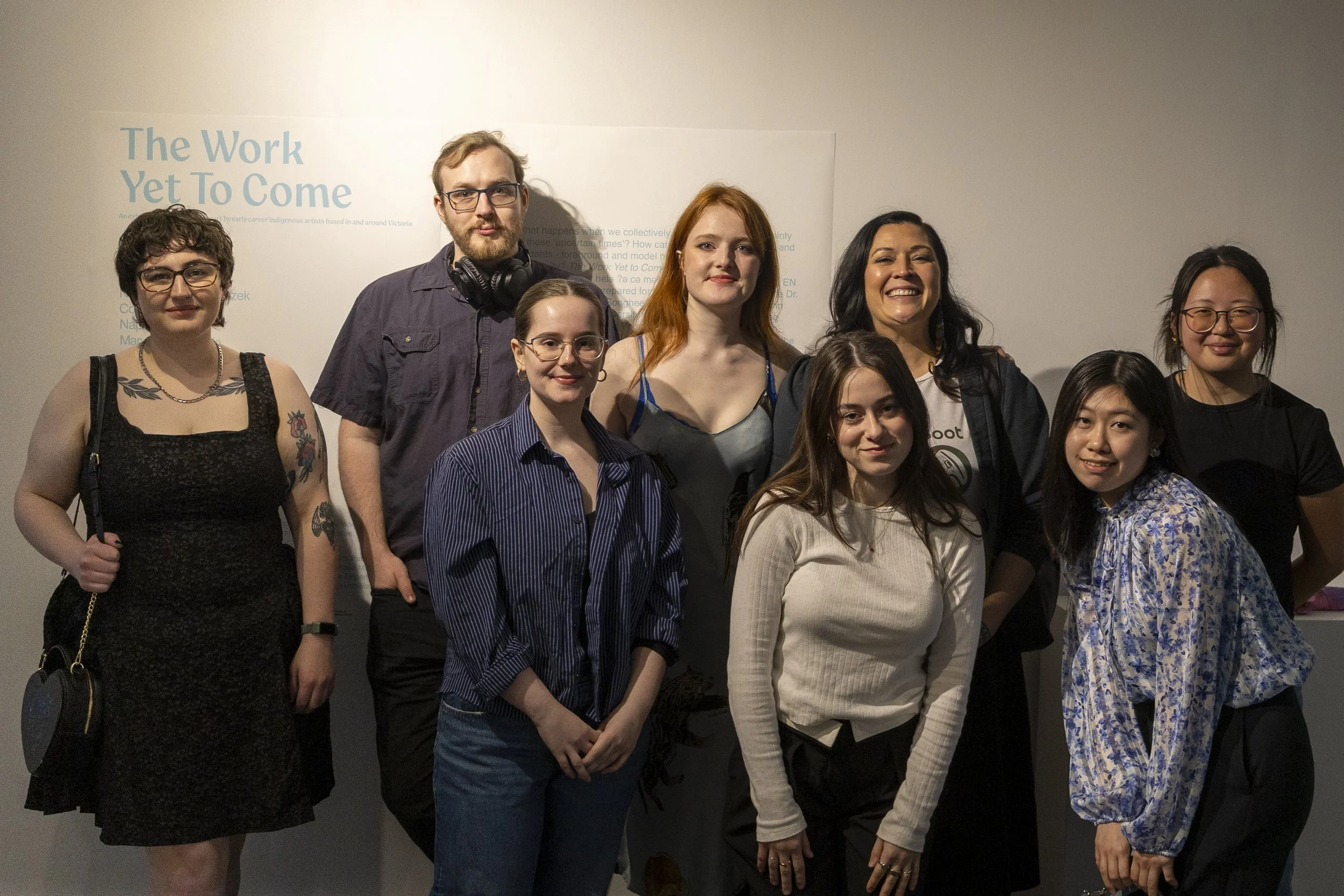
The Work Yet to Come is an exhibition curated by a collective of Indigenous and non-Indigenous students in the Visual Arts Department at the University of Victoria, who have been working together to learn about curating Indigenous art under the supervision of Dr. Heather Igloliorte, an Inuk curator. Through the process of curation, our collective of curators (Lia Candler, Clare Jorgensen, Ashley de Kroon, Chris Mockford, Sarah Nishida, Izze Perrella, and Stephen von Schulmann) examined our collective relationships to the lands, water, and people with whom we currently reside. We worked to understand our collective responsibilities to each other and to our past and future ancestors, both as Indigenous People and allies, as we all struggle under the weight of colonization.
On this journey, we were very grateful for the insights and guidance modelled by Indigenous and allied curators, Cathy Mattes, Carla Taunton, and Michelle Lavallee, who shared their time and knowledge with us.
We would like to also extend special thanks to Carly Greene, Nick Patterson, Hollis Roberts, and Natalie Rollins. Without their kindness, support, and expertise, this exhibition would not be possible.
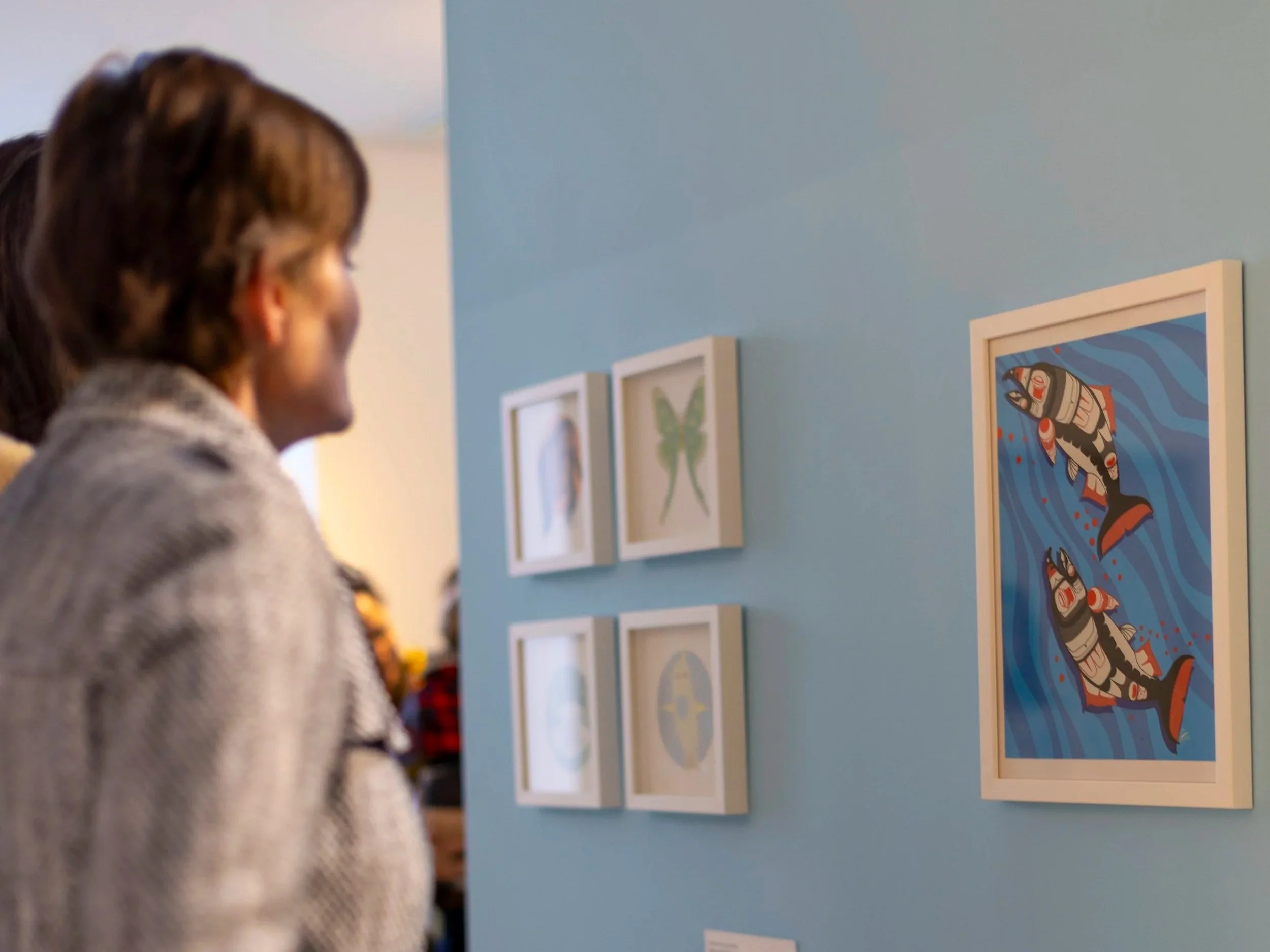
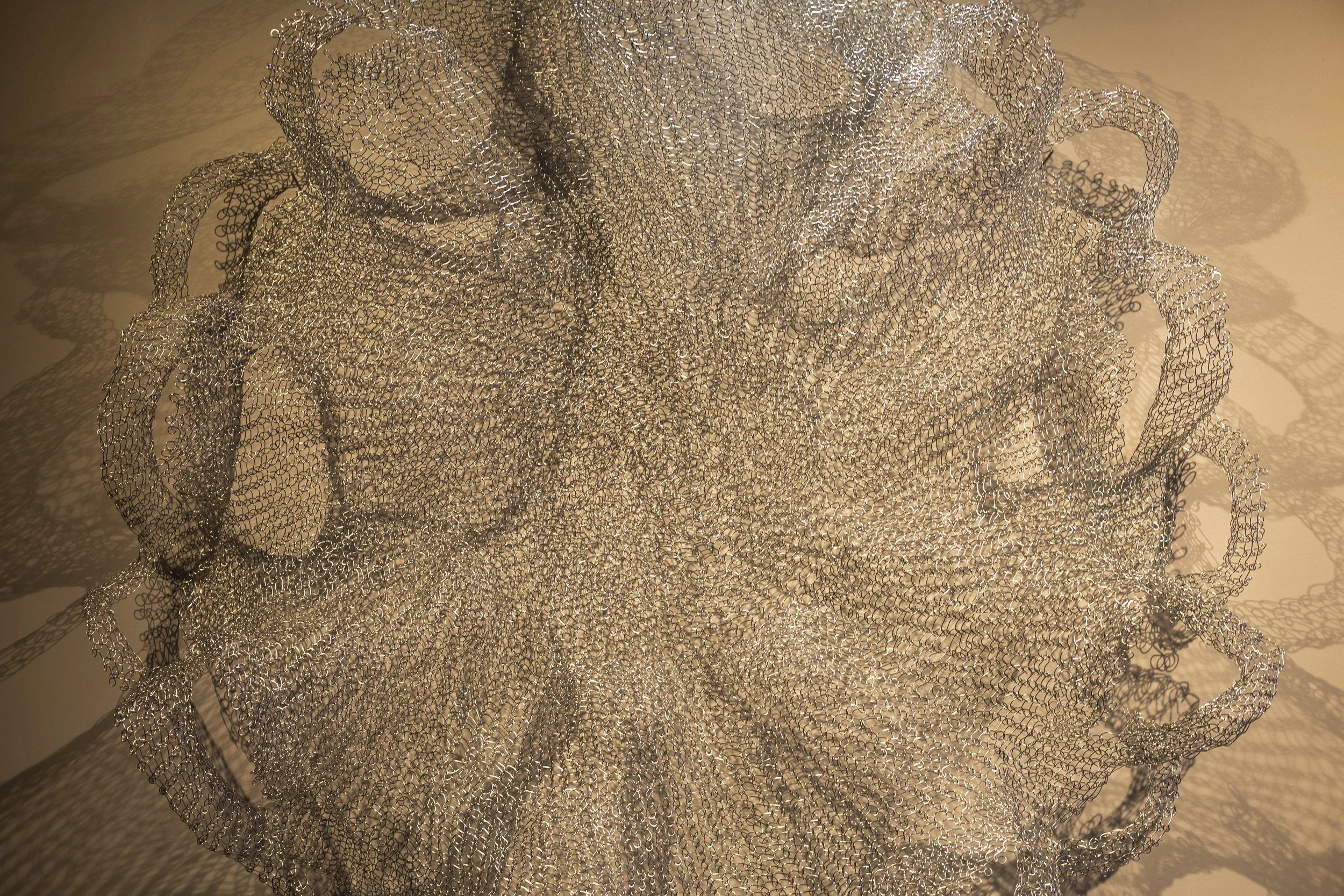
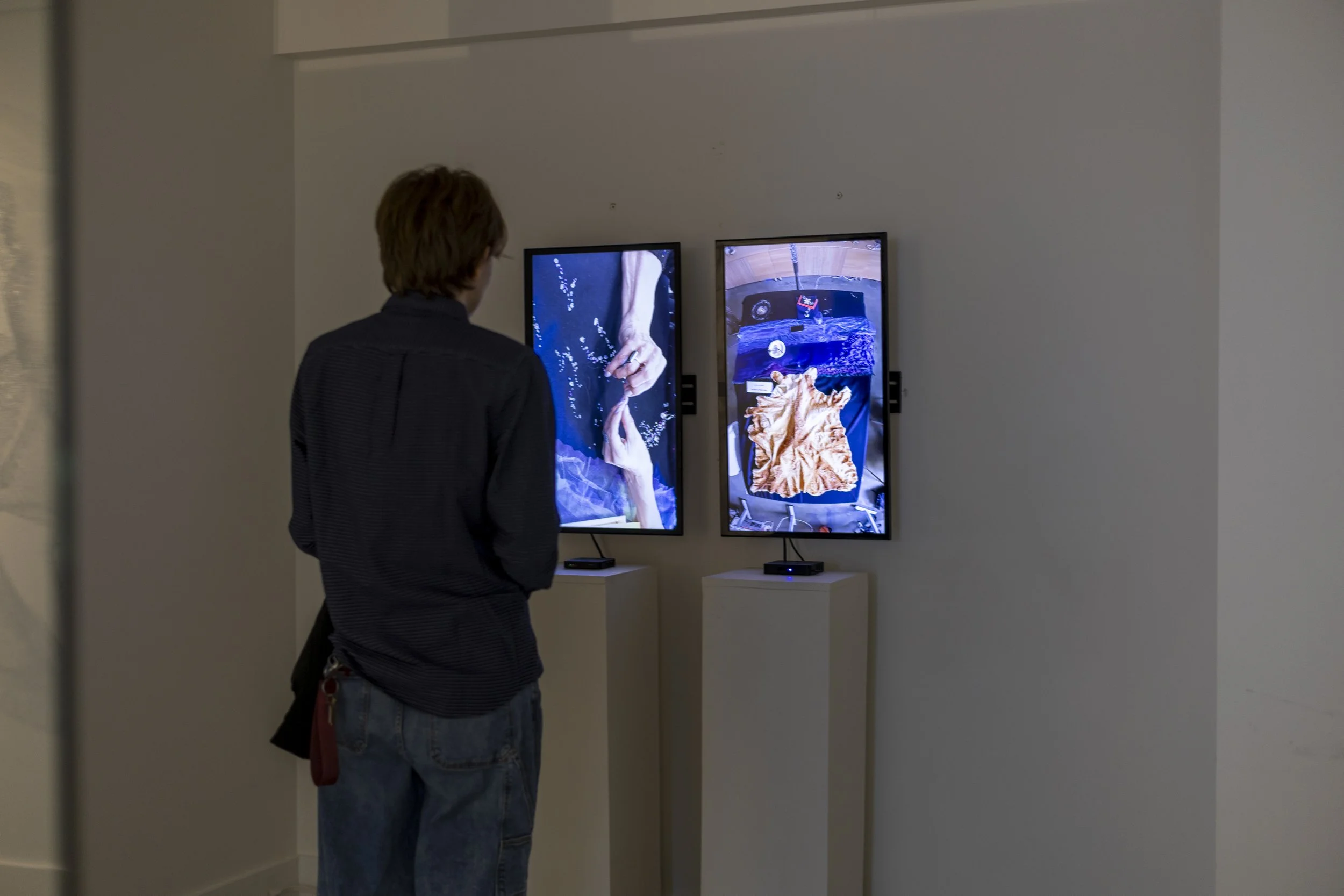
Featured Artists:
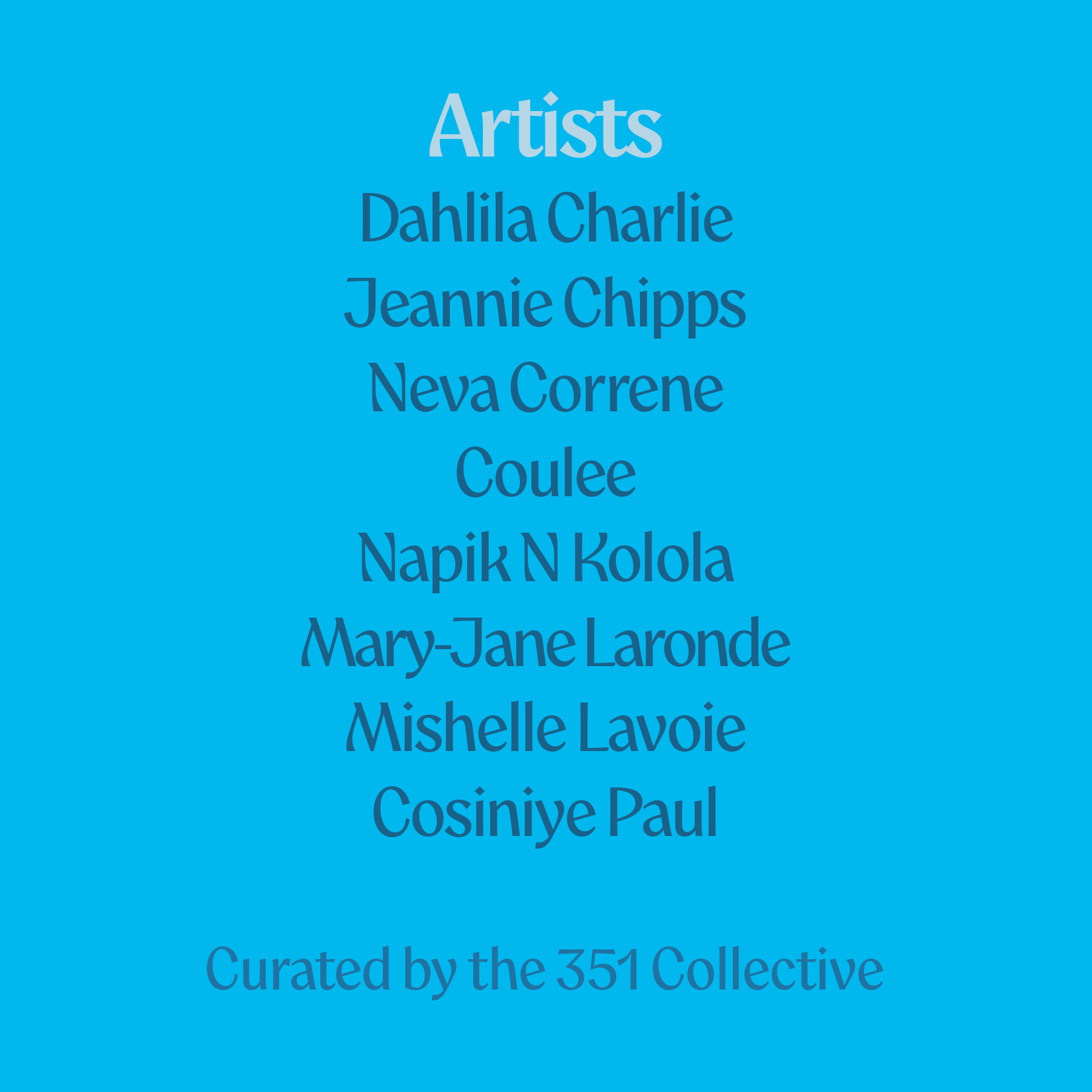
Dahlila Charlie
Dahlila Charlie is a Coast Salish visual artist from the SĆIȺNEW Nation, currently residing in Victoria, BC. Through her breathtaking acrylic paintings and murals, Dahlila utilizes Coast Salish art style and realism to narrate the stories of her Nation. She has trained under the guidance of more experienced Indigenous artists and has crafted her own unique style to embody cultural teachings and assert her presence in contemporary art. In her artistic practice, Dahlila encourages audiences to appreciate the beauty of the Coast Salish peoples and their deep connection to the land and ocean. As her career flourishes, she eagerly shares her skills and knowledge within community and in local school district #62 as an artist in residence while dedicating herself to creating artwork.
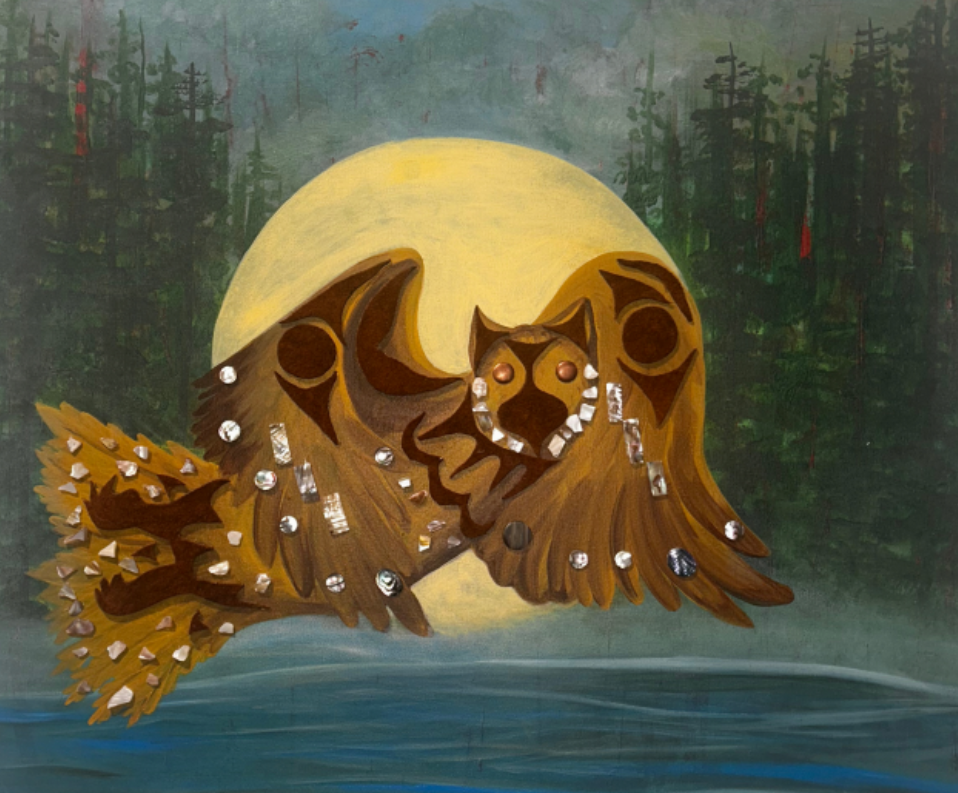
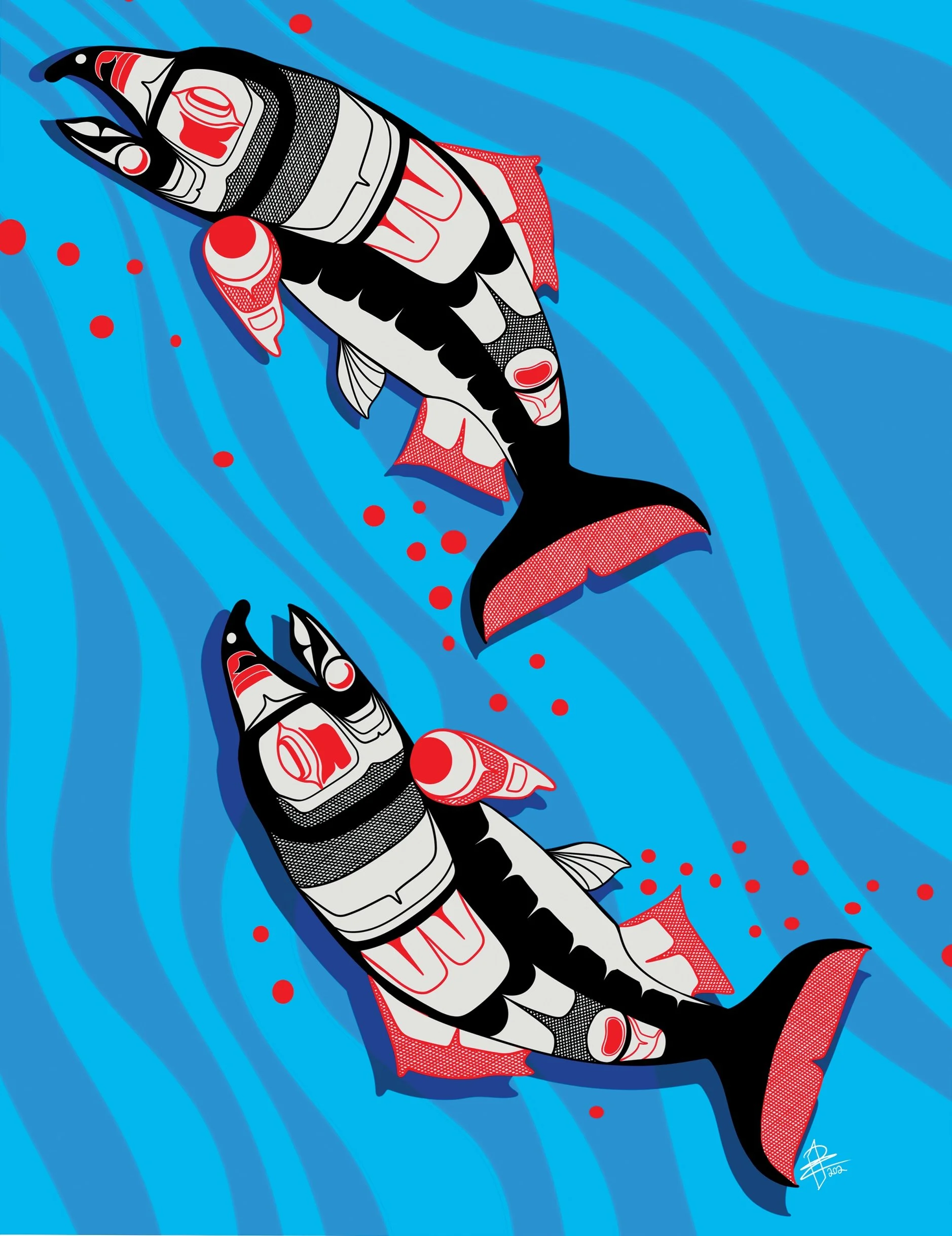
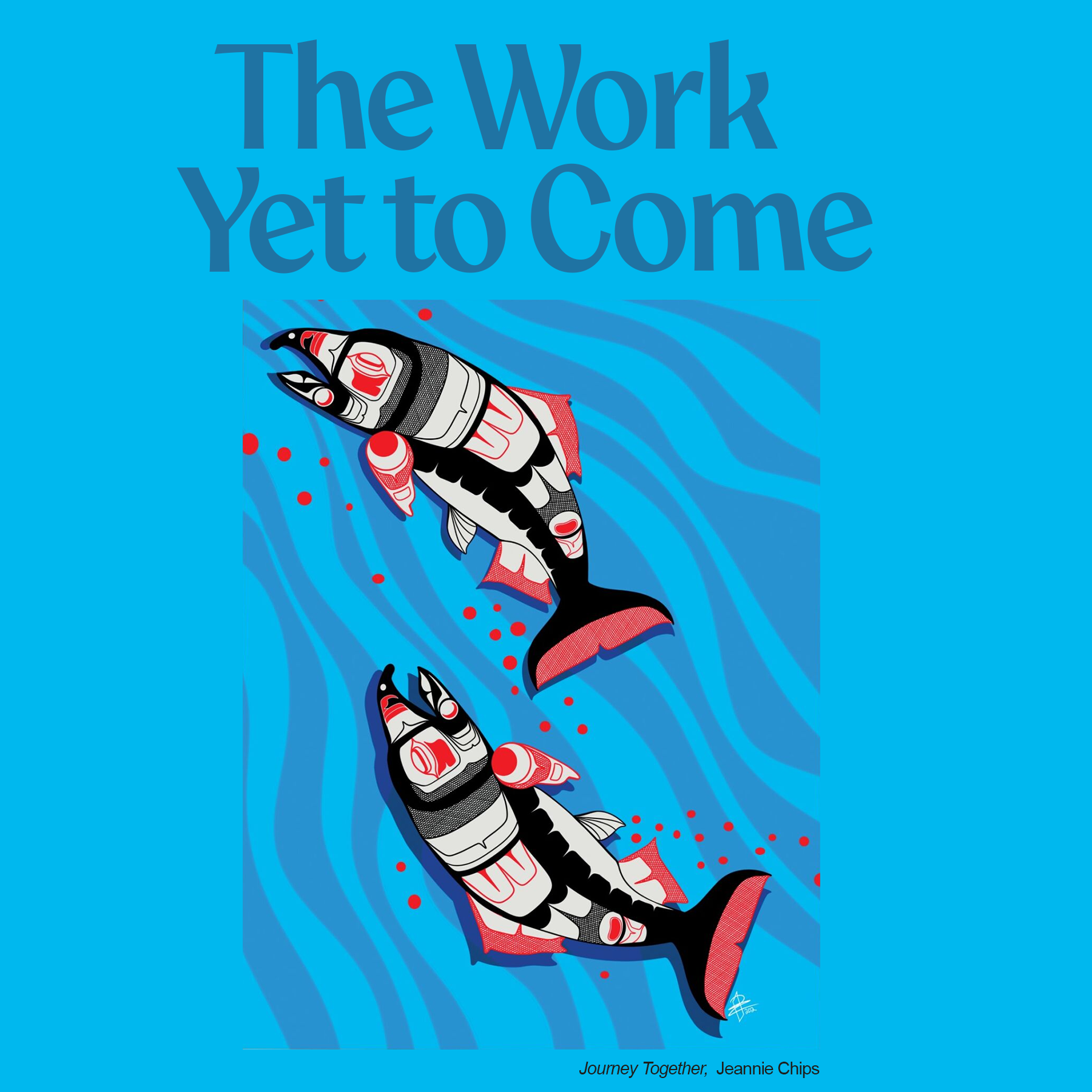
Jeannie Chipps
Growing up in on the traditional lands of my ancestors known as Sc'ianew (Beecher Bay) First Nations within the more rural areas of East Sooke, my life experience has caused me to see the beauty of the small moments around me, pushing me to create these moments or capture them through my artwork. Learning traditional Coast Salish formline from my Father to painting and even digital art such as graphic design as well as photography, my goal is to be able to express myself and learn as many ways as I can to express my ideas and visions.
Learning will always be part of my practice whether that is within the places I’ve studied such as Camosun College and The University of Victoria or just hands on self taught work. My goal as an artist will forever be to learn from people and experiences around me to further the ways that I can bring my art into the world.
Neva Correne
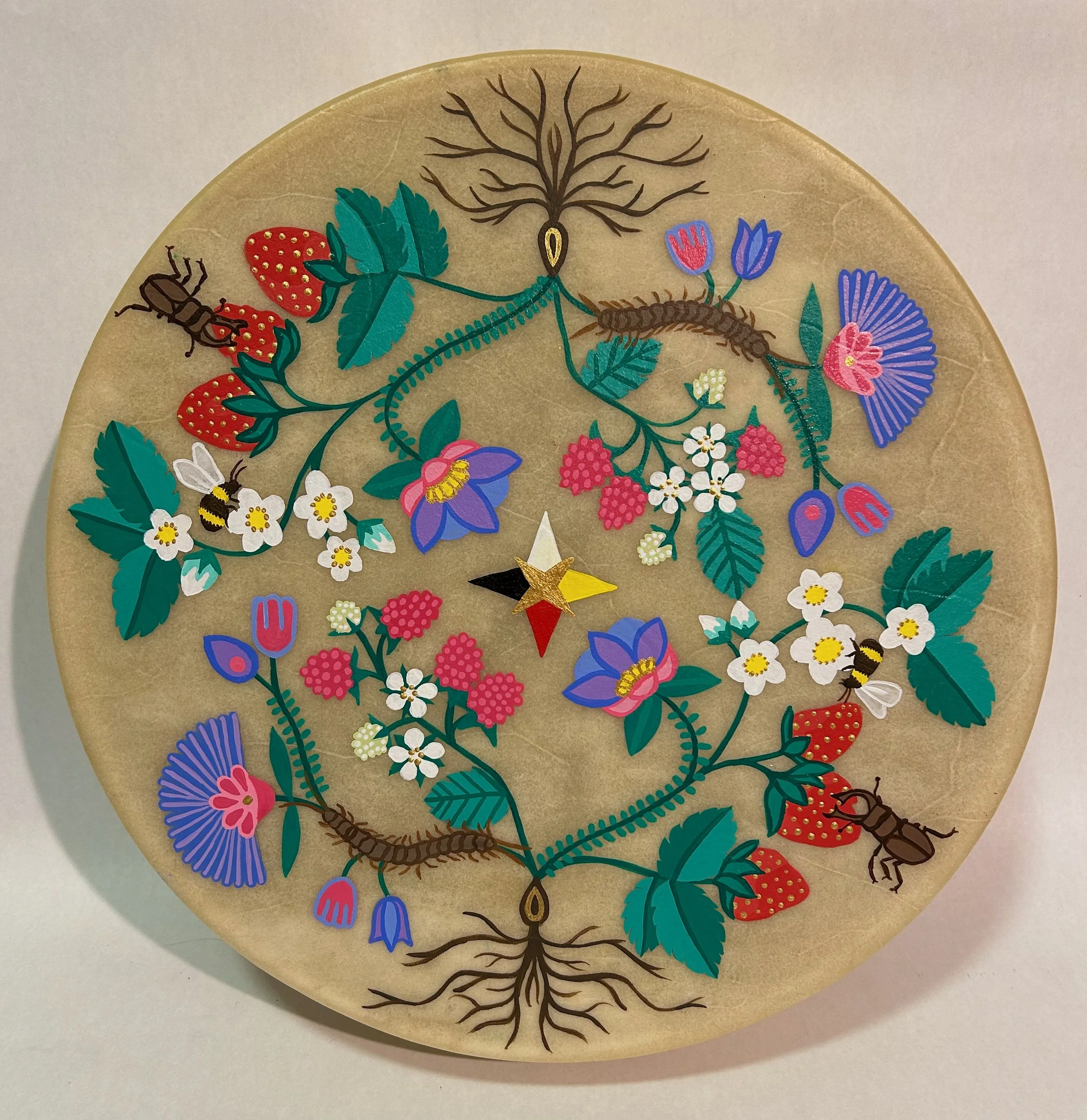
Neva Nowazek explores themes of Métis culture, disability, gender, sex, and the intersectional qualities of identity through their interdisciplinary practice. Exploring relationships between nature, identities, and material culture, they reconcile personal and societal struggles. Nowazek creates both two and three-dimensional works using watercolour, acrylic paints, plasticine, fabric, string, and beads. Nowazek's colour palette draws from the beauty of their queerness, childhood wonder, the natural world, and Indigeneity. Nowazek juxtaposes the social and systemic struggles of oppressed minorities and natural processes like death and decay with their lively saturated colours. A common thread in their work is navigating the joy and community that comes from identity alongside the discrimination and difficulty of surviving in a world not built for them.
Coulee
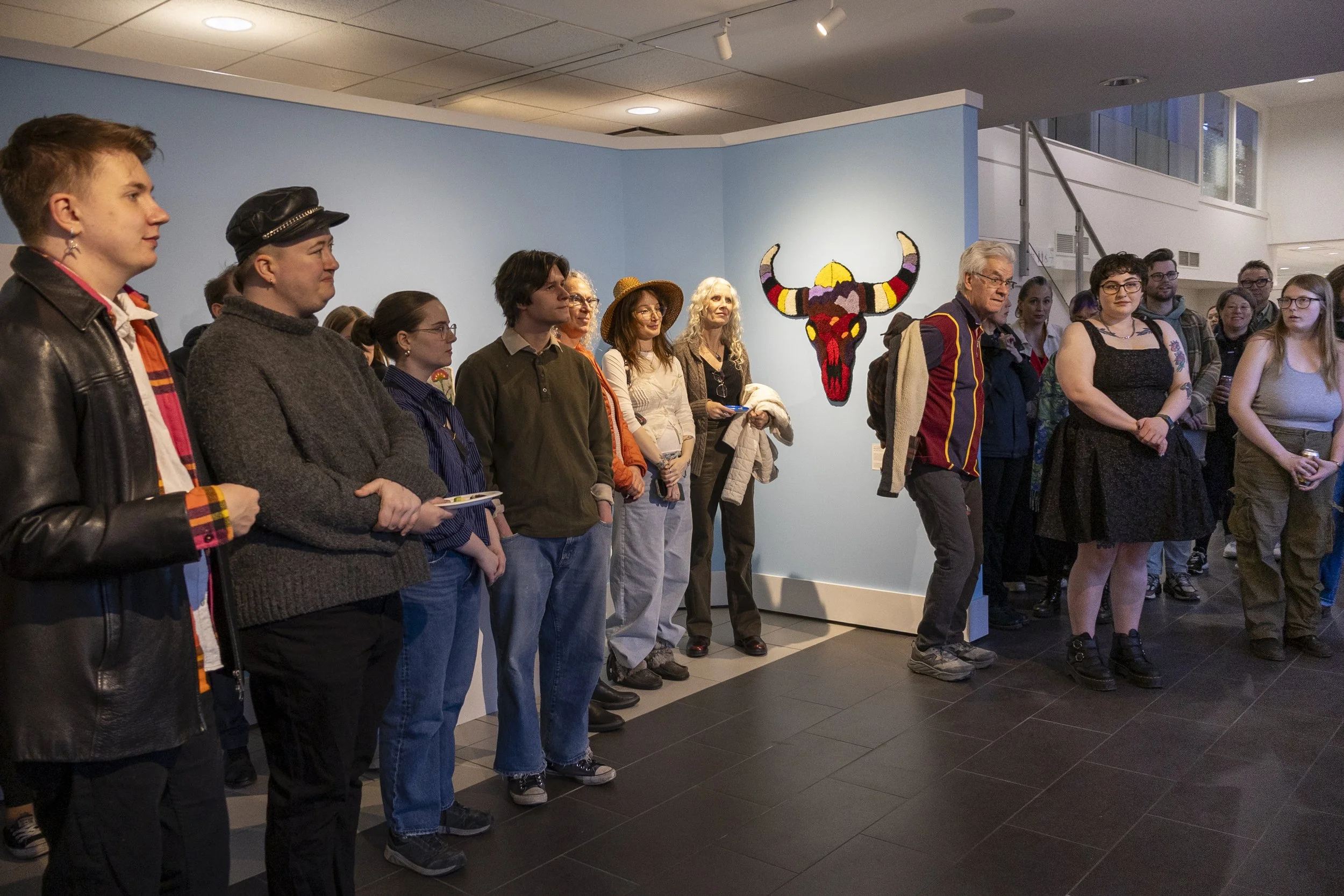
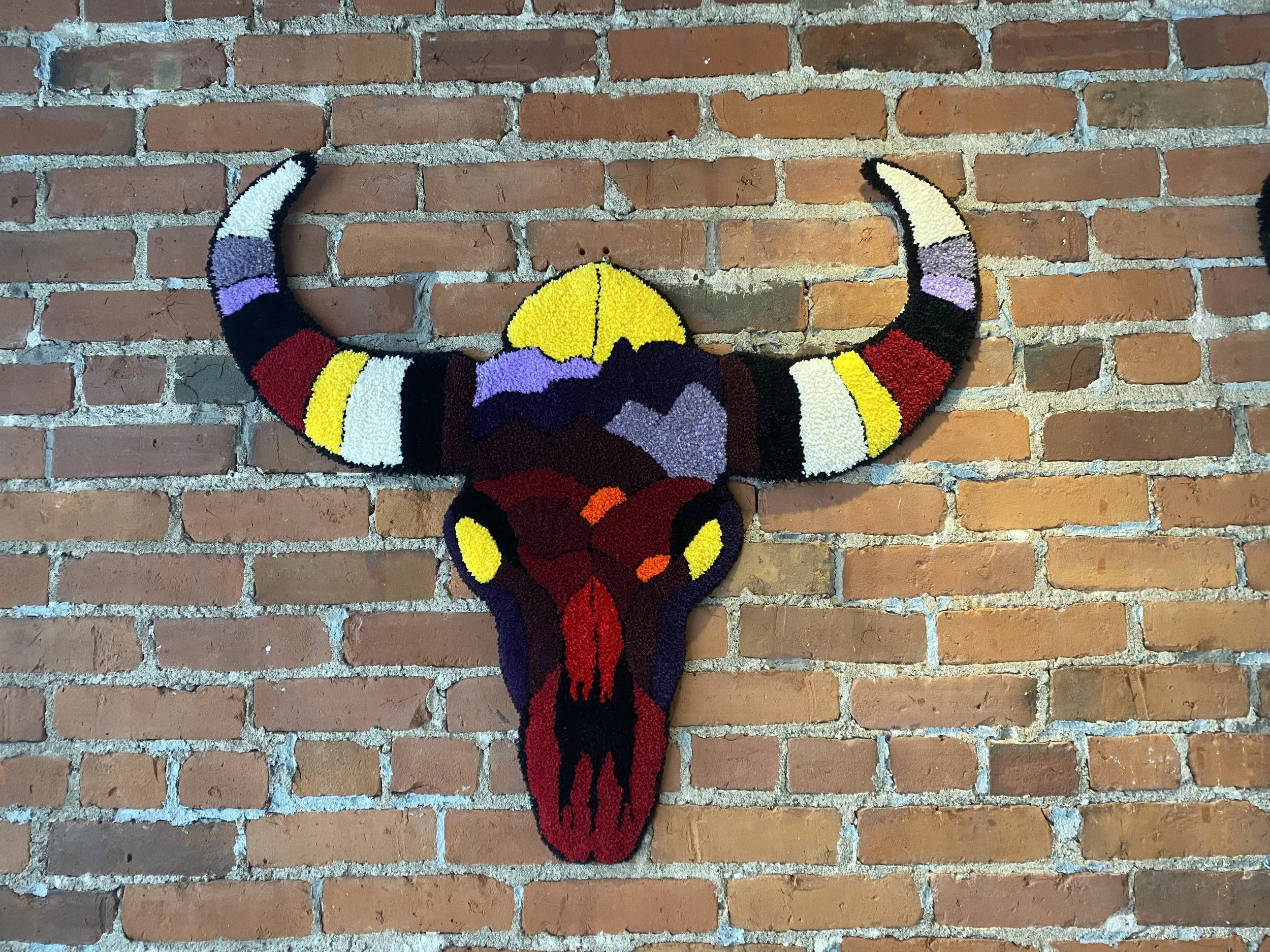
Coulee (Peepeekisis Cree Nation) is an Indigenous futurist working across textile and sound. Her practice engages Indigenous futurity, unstorying, and relational responsibility to land and community. Through large-scale buffalo skull forms and the ongoing audio work Something Else, she treats story as infrastructure-an active site of preparation, memory, and future tending. Her work holds love, loss, fire, and continuance as living forces rather than symbols. Coulee lives and creates on Lekwungen territory.
Napik N Kolola
Napik N Kolola is an Indigiqueer Inuk artist whose work is rooted in cultural connection and creative exploration. Currently completing their second year of Fine Arts studies and recently accepted into the University of Victoria’s Visual Arts program, Napik works across multiple mediums including sculpture, drawing, beading, ceramics, and painting.
Napik’s art practice is a personal journey of cultural reclamation, with a focus on learning and integrating traditional Inuit mark-making forms—tunniit and kakiniit—into her work. Through creating, Napik seeks to deepen her relationship with Inuit heritage, weaving cultural narratives into contemporary expressions. Each piece is a reflection of resilience, identity, and the evolving nature of Indigenous art.
Napik’s approach is guided by curiosity and playfulness, while also honouring the profound responsibility of cultural storytelling. Whether through the tactile shaping of clay or the intricate designs of beadwork, their art celebrates both tradition and innovation.
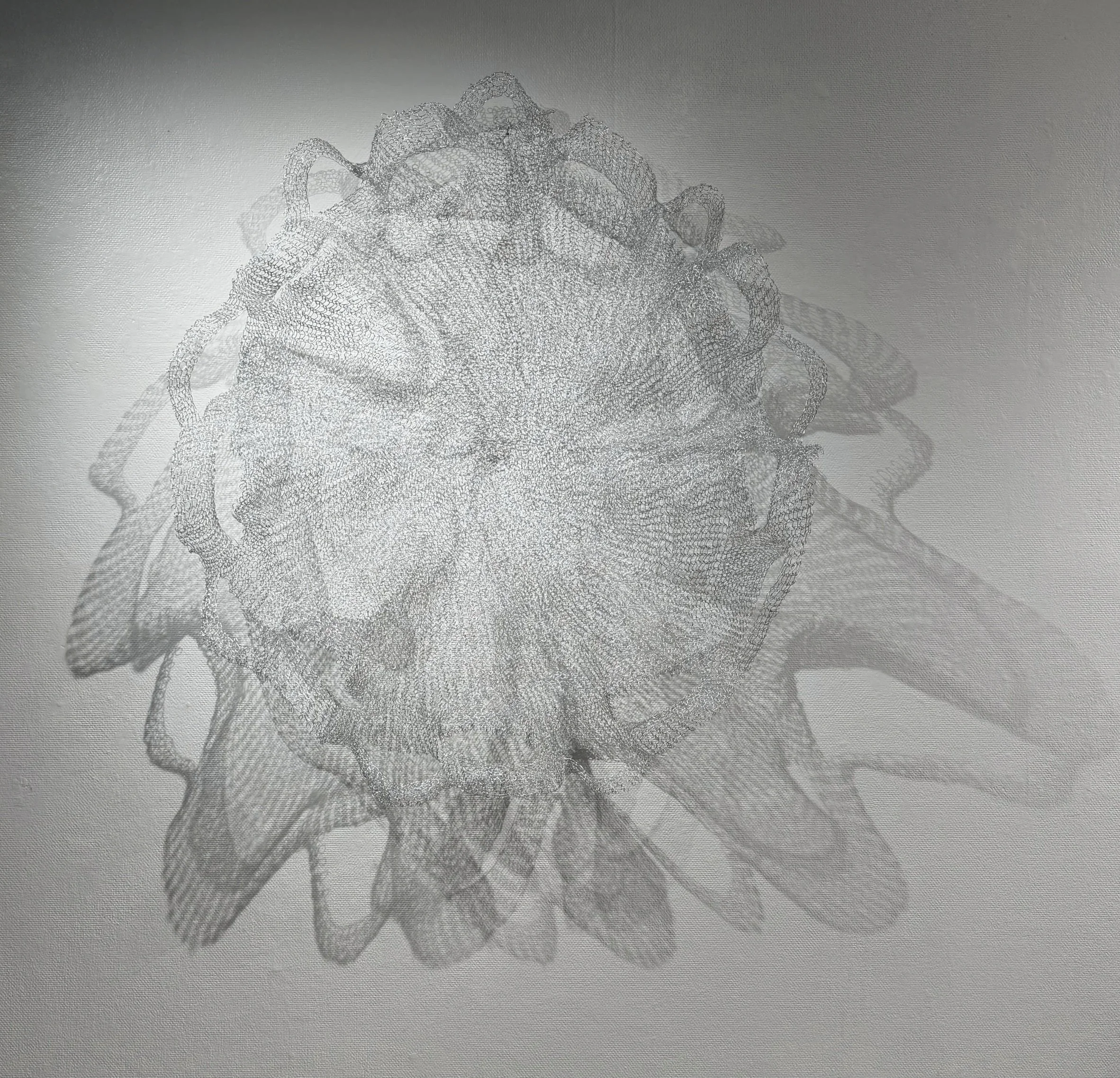
Mary-Jane Laronde
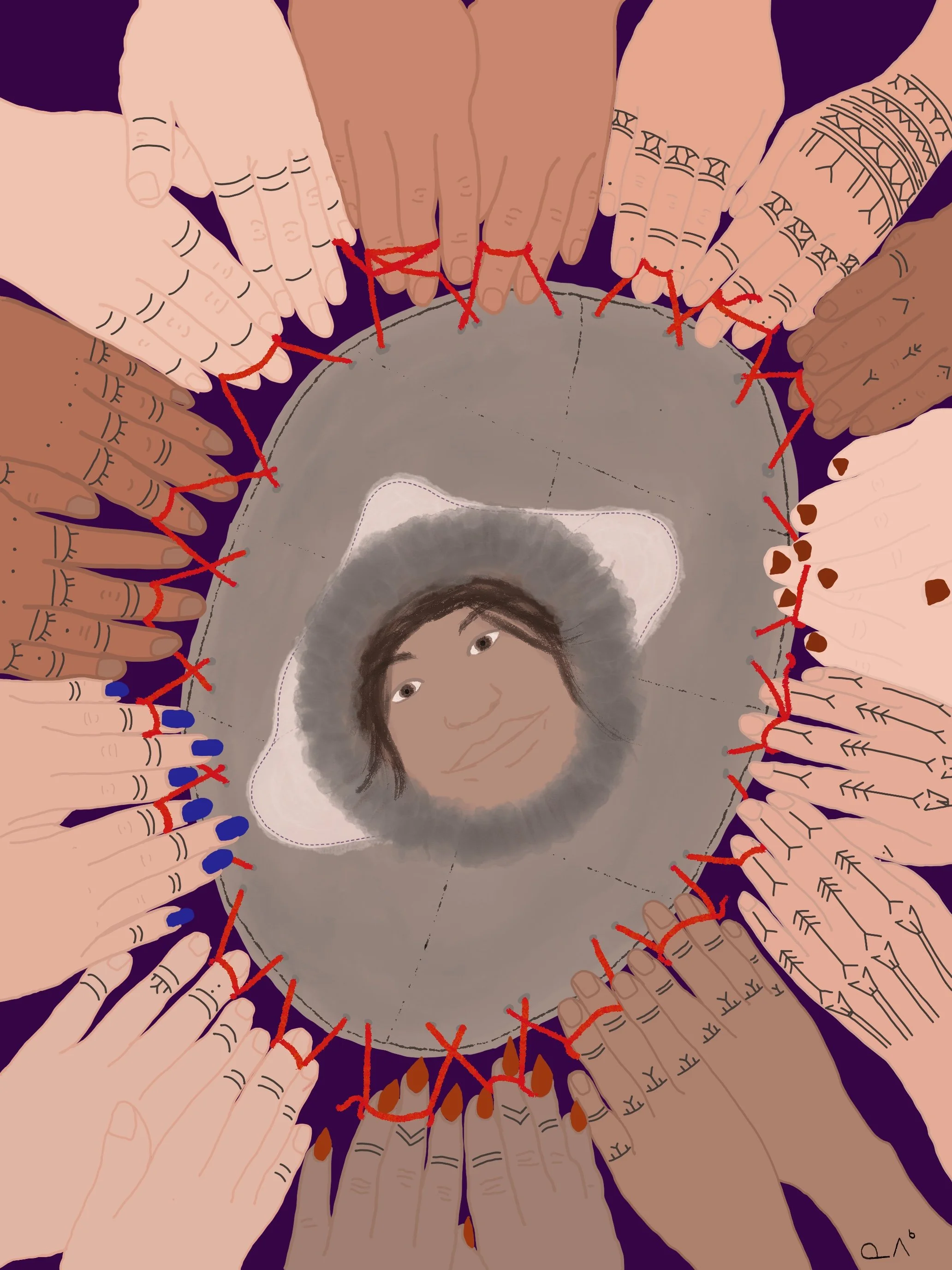
Mary-Jane Laronde is a Bonnechere Algonquin emerging Indigenous artist who grew up on the unceded territory of the Secwepemc peoples. Mary-Jane is currently practicing on the traditional territory of the Lək̓ʷəŋən people during her BFA study. Mary-Jane has had the opportunity to explore her practice in Atotonilco, Mexico. The works created in Mexico were shown at the University of Victoria Audain gallery for Mary-Jane’s first solo show Between Now and Then. Both of these experiences were able to happen with the Alan Steven John award in Visual Arts from the University of Victoria.
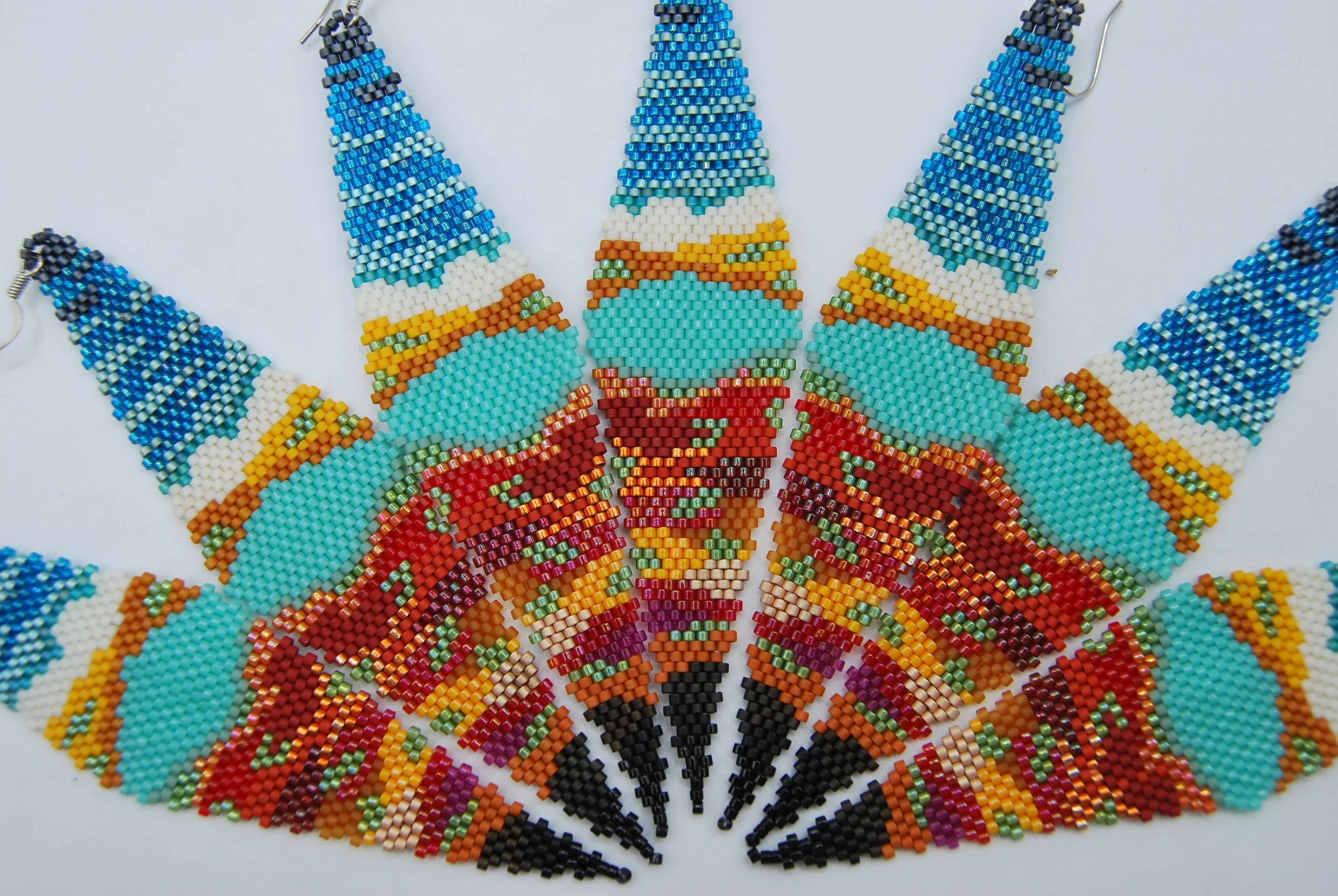
Mishelle Lavoie
Mishelle is of Sahtúot'įnę/Shúhtaot'įnę decent along with French, Scottish, and Eastern European heritage. She was born and raised in Inuvik Northwest Territories but has lived in numerous provinces in Canada and can identify with the term “third culture kid”. Growing up and to this day, Mishelle enjoys being creative in multiple disciplines, most recently with beading and has attended several Indigenous fashion shows, been part of museum exhibitions, and featured in art shows. Currently she is living in Victoria BC with her child and is attending the University of Victoria, working towards her BA in Social Science and hopes to become a cultural art therapist.
Cosiniye Paul
ÍY SȻÁĆEL,
My name is Ȼosiniye Paul. I'm a Coast Salish artist. I live, work, and study on my traditional territories of W̱JOȽEȽP (Tsartlip reservation). I grew up immersed in Coast Salish art, and it is one of my greatest passions, along with language revitalization. I am a 2-spirit individual and as part of my work I depict queer love to create the representation that I always craved myself. As someone who lives with chronic illness, my art has always been an outlet for me. A way to be connected to the world when my body doesn't allow it.