
Taqsiqtuut Indigenous Research-Creation Lab Mural project
Artists

Brianna Bear
Brianna Bear is an Indigenous artist based in the traditional territory of her father’s people in the Lekwungen lands of the Songhees and Esquimalt Nations in Victoria, B.C. Brianna has more than 15 years of experience. She began learning under Butch Dick and her grandfather Skip Dick. Afterwards, she discovered her roots and formline design through her cultural connections to Songhees and Namgis Nations. Today, working as one of a few Indigenous female artists within her traditional territory of the Songhees people, Brianna loves to tell stories with her designs that have ranged murals, logos, small business designs, event designs and more!
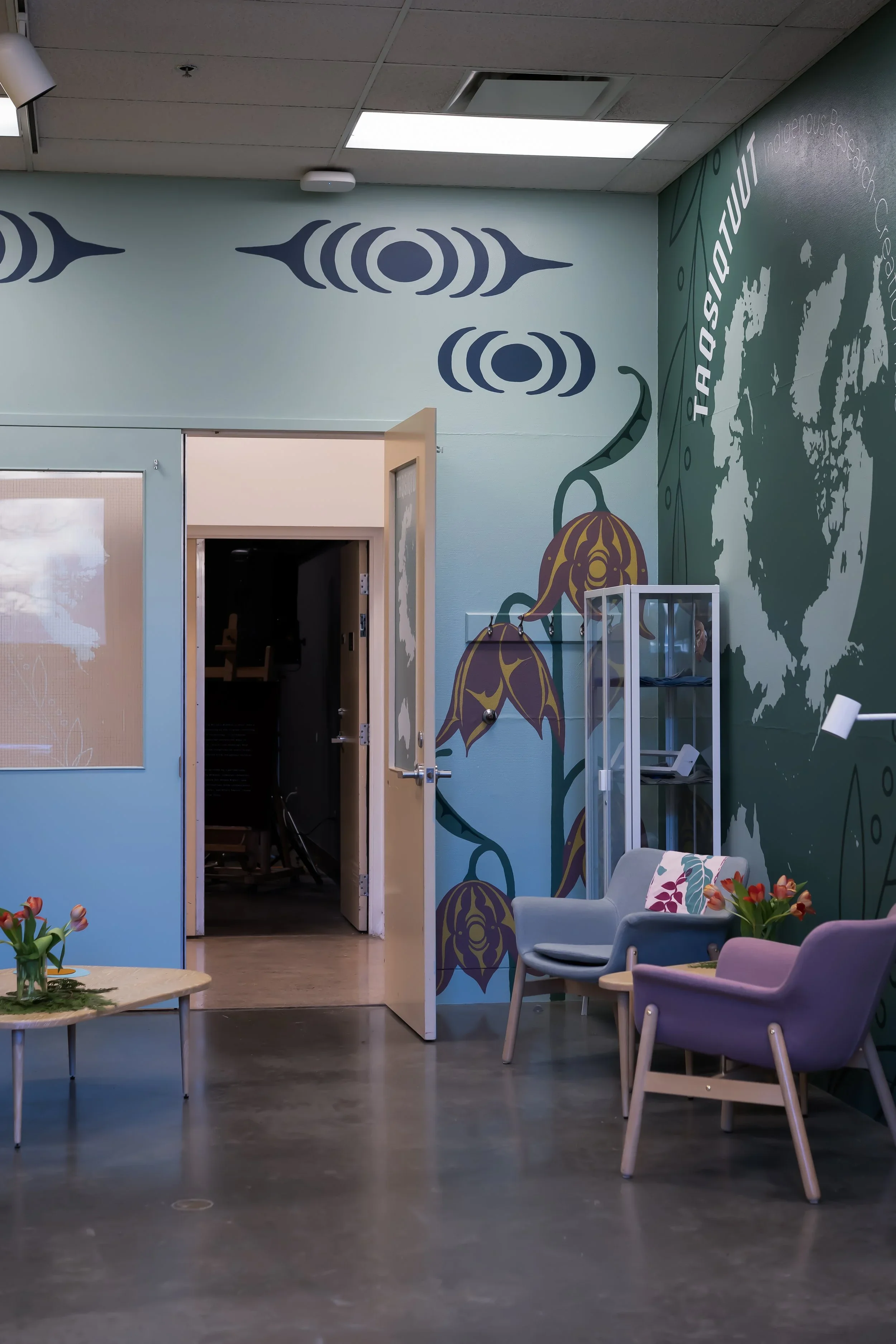
Her mural artwork of climbing tiger lilies under the clouds is both the entrance and exit to the lab, and is the only work in full colour.
This will serve as a daily reminder to respect, appreciate and acknowledge the Lək̓ʷəŋən (Songhees and Xʷsepsəm/Esquimalt) Peoples on whose territory the university stands, and the Lək̓ʷəŋən and W̱SÁNEĆ Peoples whose historical relationships with the land continue to this day; as well as their knowledge, medicines, arts, culture and practices.

Kaylyn Baker
Kaylyn Baker is a Northern Tutchone and Tlingit artist from the Yukon. She is a citizen of Selkirk First Nation based out of Whitehorse. Kaylyn is an avid beader, using a variety of traditional and contemporary materials and textiles. She draws on the principles of visual art to create her own designs. In addition to making jewelry, Kaylyn’s beadwork adorns garments and accessories, including mukluks, moccasins, purses, and regalia. Her work has walked the red carpet at the Emmy Awards, she was a featured designer at Vancouver Indigenous Fashion Week 2022 as well as the Adäka Art Festival Fashion Show in Whitehorse 2022, and she is the winner of the 2023 Yukon Art Prize.
“This design is taken from a beadwork piece I created in 2021, which I then then turned into an Augmented Reality work during The Circumpolar Incubator: NorthernIndigenous Screen-based Arts and Installation workshop held in the Indigenous Futures Research Centre at Concordia University in 2022, co-led by Heather [Igloliorte]. When used in AR through your phone or iPad, the beadwork blankets the ground, creating a tufted and beaded landscape.
All my beaded pieces are like little landscapes to me. Every colour and pattern has a meaning. ”

Ann-Sofie Kallok
Ann-Sofie Kallok is a duodjár (craftswoman) and designer who makes unique products with a modern Sámi expression, e.g. jewelry, prints and interiors. With deep respect and extensive knowledge of duodje, she creates products that in different ways capture attributes from Sámi culture and presents them in an innovative way. In this way, she allows tradition, knowledge, soul and heart to find new ways into new contexts.
Ann-Sofie grew up in the Stockholm area, but after high school she moved back to her ancestor's land in Jåhkåmåhkke and today she lives in Guovdageaidnu.
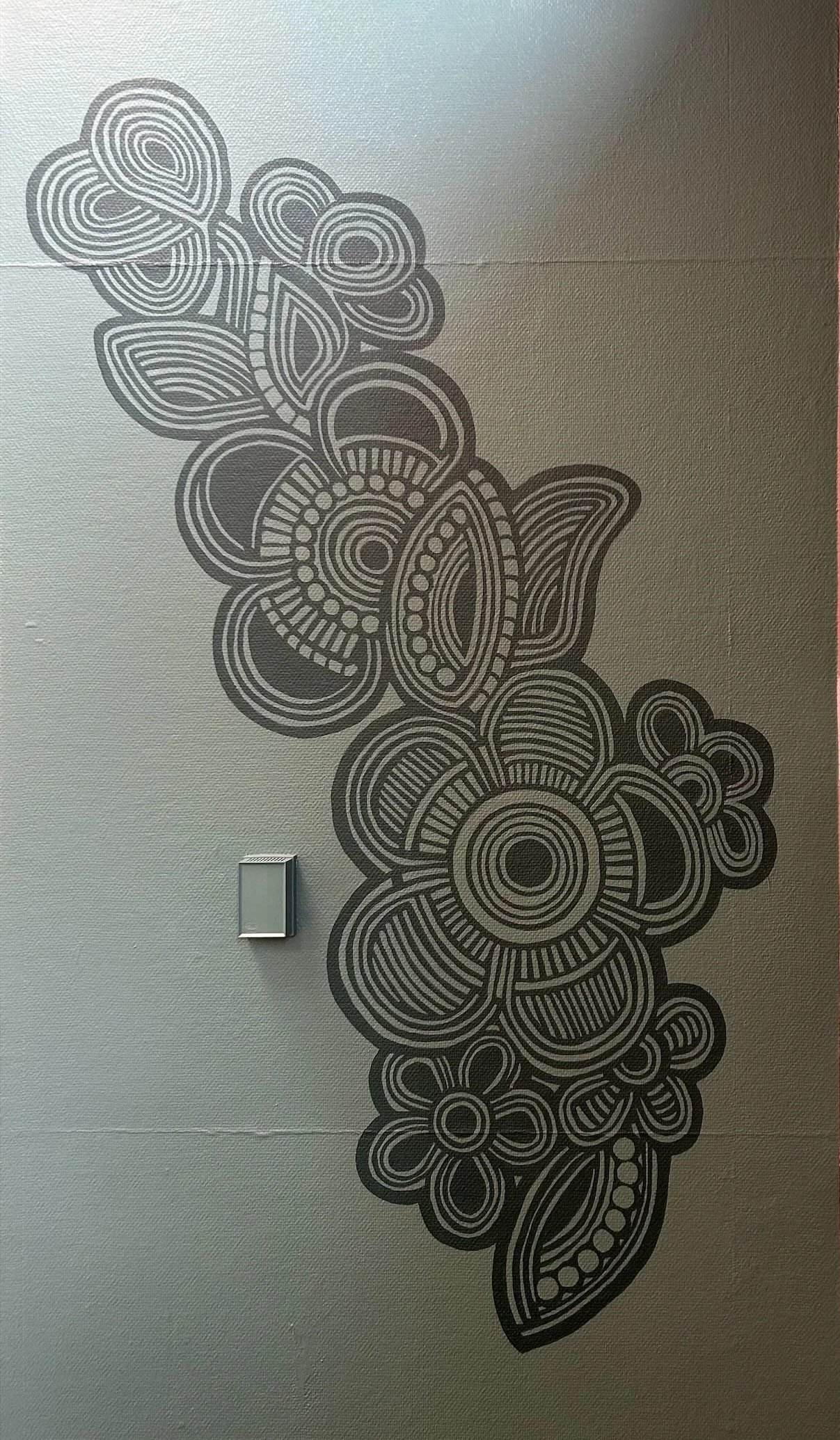
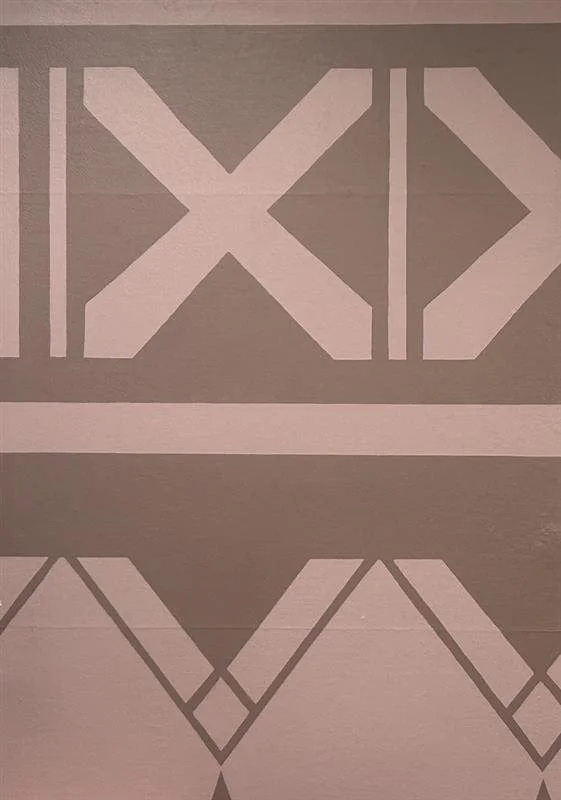
“Sami duodje (handicraft) has a tradition of abundant ornamentation which is used to decorate jewelry, tools and other utility items in reindeer antler and wood. Shapes and patterns can be divided into different Sámi area traditions, where the northern areas use a lot of floral motifs, while the southern areas mainly use geometric patterns. Motifs such as double lines, zig-zag borders and triangles are often repeated in a rhythmic way to create intricate combinations. Sometimes the patterns can tell about different relationships between people, nature and higher powers.”
Julie Grenier
Julie Grenier is an artist from Kuujjuaq, Nunavik, QC, who likes to experiment with materials in her beaded pieces, such as ivory or bone. Around the age of 12 she began beading seriously, experimenting in her practice and learning traditional sewing from her mother and grandmother. Grenier says that she owes much of her inspiration to the matriarchs in her life; her grandmother was a well-known seamstress who sewed clothing for the whole family; that skill was then passed down to Grenier’s mother and then to Grenier herself.
Grenier adorned the dress worn by Governor General Mary Simon to her installation ceremony in July 2021, and has appeared in articles for Nunatsiaq News, theGlobe and Mail, CBC, and others. Her collaborative amauti created with Beatrice Deer is on display at the Museum of Man in Paris, France. The two artists also collaborated on Arnauti (2021) for INUA, the inaugural exhibition for the WAG-Qaumajuq. Grenier is also the Director General for Taqramiut Nipingat Incorporated (TNI). She credits her artistic practice for part of her success in her corporate career. “Because I am an artist and a very creative person, it also helped me in that career path; it helps you to seethings differently and present new ideas.”
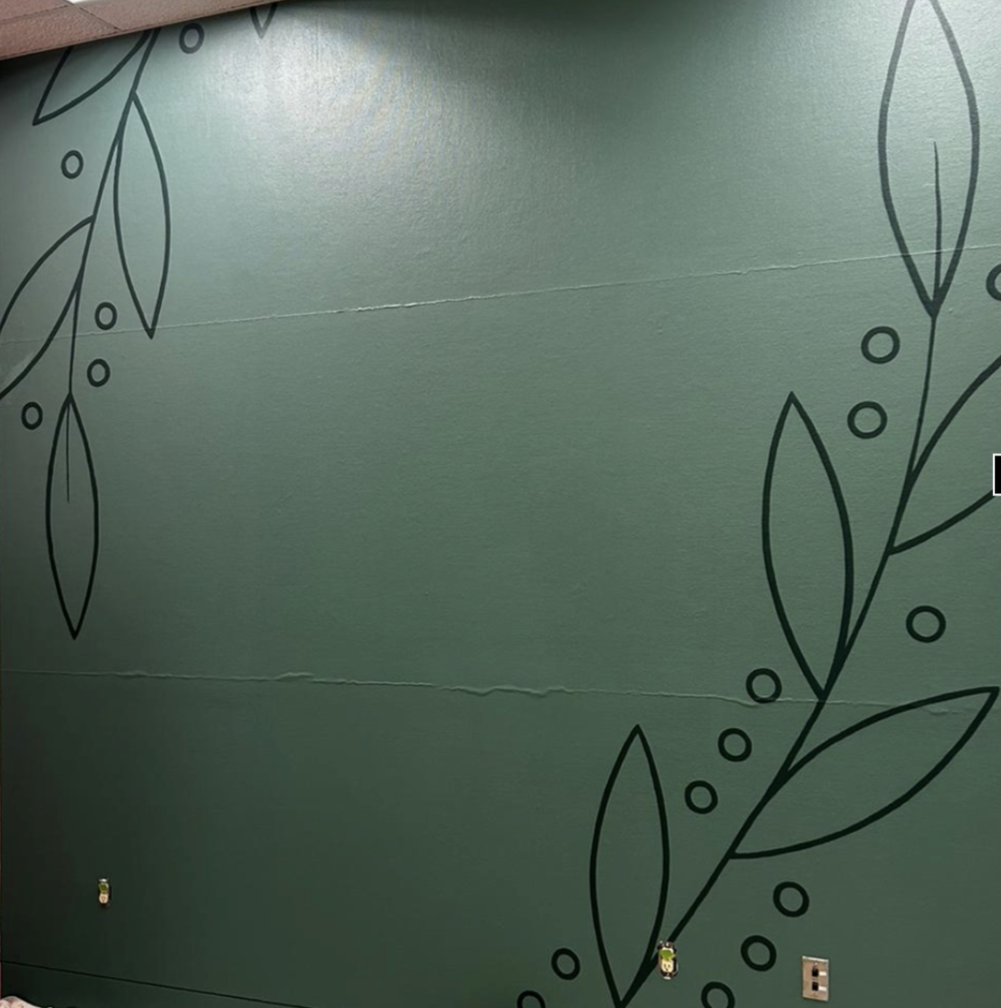
“This design is based on my stylized beadwork of Labrador Tea, a medicine found throughout the Circumpolar Arctic that is meaningful not only to Inuit but all Northerners. I often represent our plants, flowers and berries in my beadwork, and add my own style and perspective. ”

Photo: Ben Searcy. Courtesy of the artist and the Art Gallery of South Australia.
Image credit for artwork Ayarra – Image: Louis Lim. Courtesy of the artist and Onespace.
TEHo ROPEYARN
Teho Ropeyarn is an artist and curator from Injinoo, Cape York Peninsula, Queensland. Born in Mount Isa in 1988, he holds a Bachelor of Fine Arts from the College of Fine Arts (UNSW) in Sydney and is currently based in Cairns, Queensland. Teho is descended from the Angkamuthiand Yadhaykana clans from Injinoo on the mainland, Badu, Moa and Murray Island in the Torres Strait; Woppaburrapeople (Great Keppel Island) and Batchullapeople (Fraser Island). His practice is focussed on his father’s people’s heritage. Having lived in Injinoo most of his life, he focuses on his Aboriginal heritage to keep what is remaining, alive.
The narratives in his work explore several traditional and historical stories including significant events, dreaming sites, totems, the four clan groups that make up the Injinoo peoples and ceremonial body designs encompassing spiritual connection to Country and community on both land and sea.
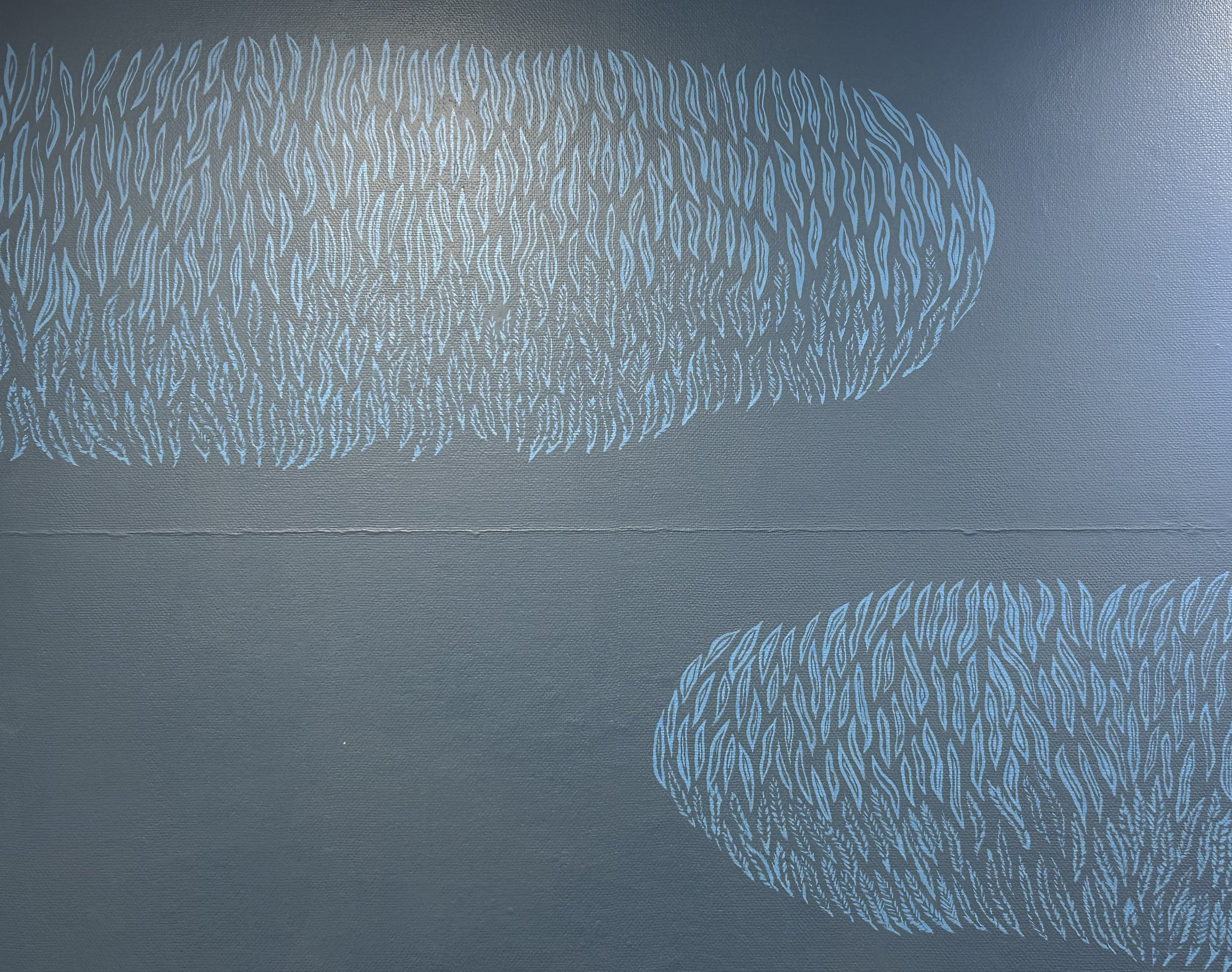
This work is excerpted from the print, Ayarra (rainy season), created in 2021. The dark expressive rain clouds symbolise the power and the vitality of the monsoon season bringing life to the earth. Ayarra (rainy season) reveals the cyclical relationship between water and land and shows the significance of the effects of seasonal weather in Cape York, just as on Vancouver Island.
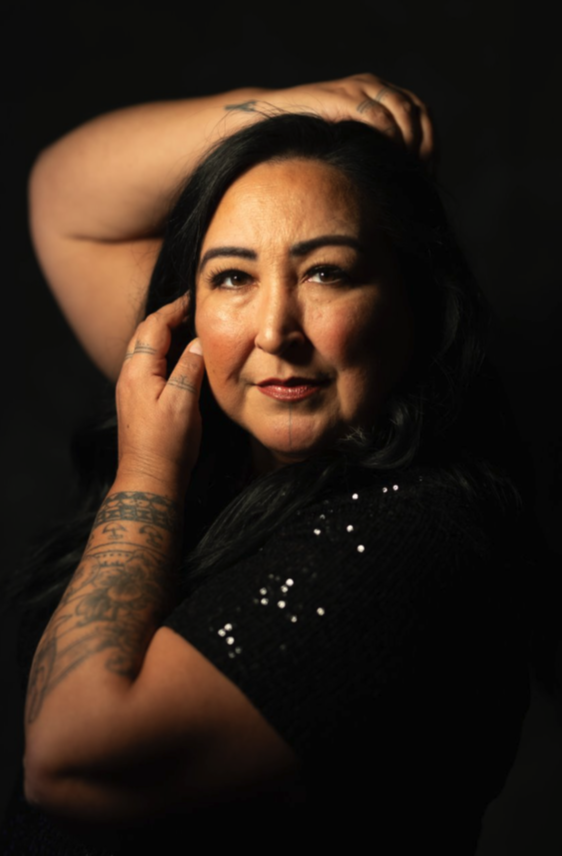
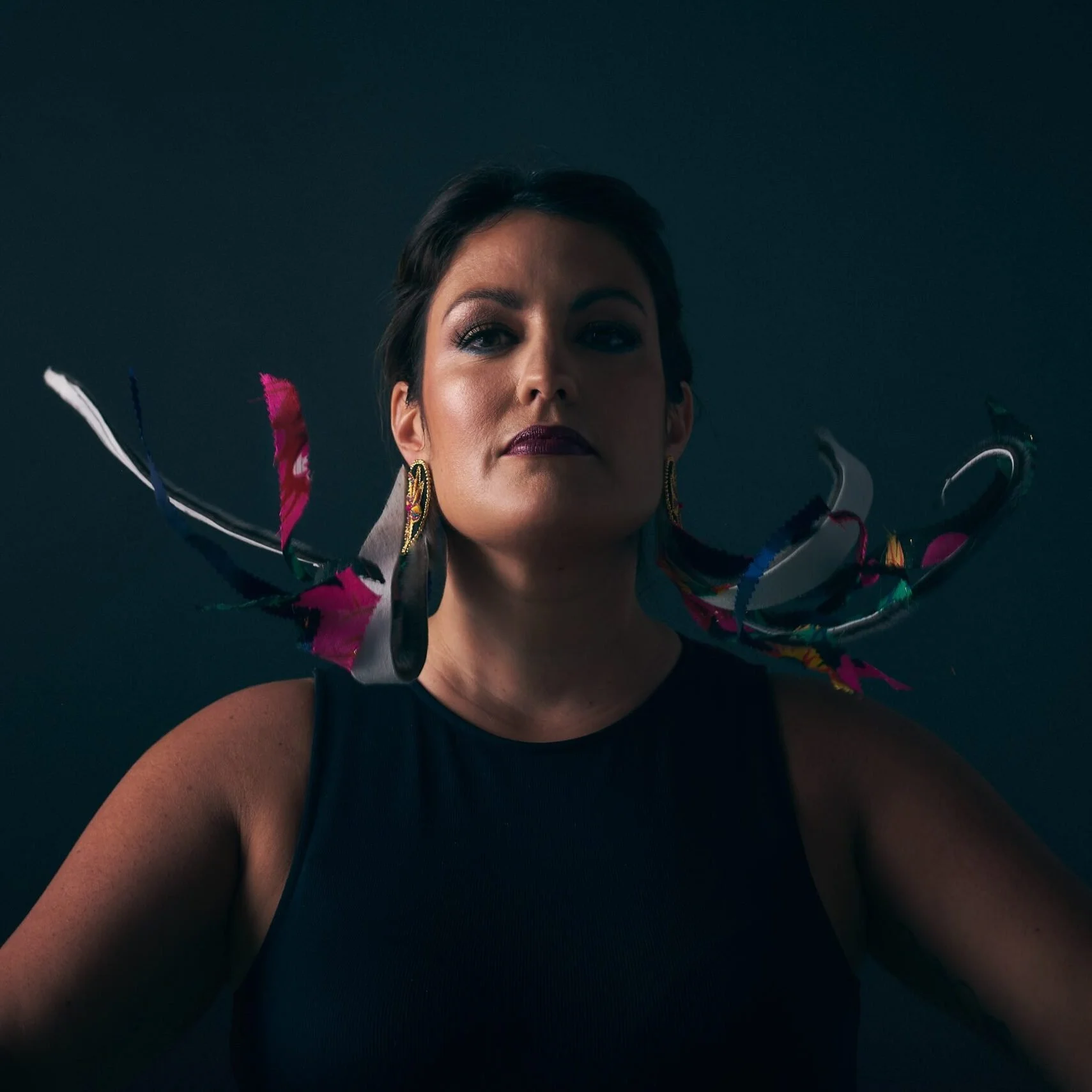
Cora Kavyaktok
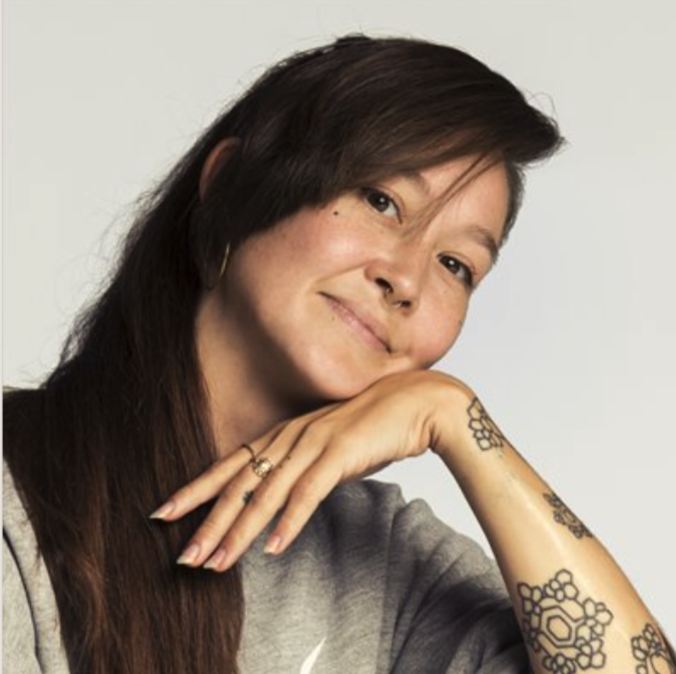
Cora Kavyaktok is a talented photographer originally from Iqaluktuuttiaq (Cambridge Bay), NU and currently based in Vermilion, AB. Since 2009, Kavyaktok has been specializing in portraiture and event photography under the name Little Inuk Photography. Kavyaktok primarily photographs women, finding empowerment through her lens-based practice and working with clients to bring out their self-confidence. She also works to capture Indigenous and Inuit celebrations as well as cultural activities. Currently, Kavyaktok is a part of the Inuit Tattoo Revitalization Project, led by her long-time friend Hovak Johnston, which aims to bring about the cultural continuance of female Inuit tattooing.
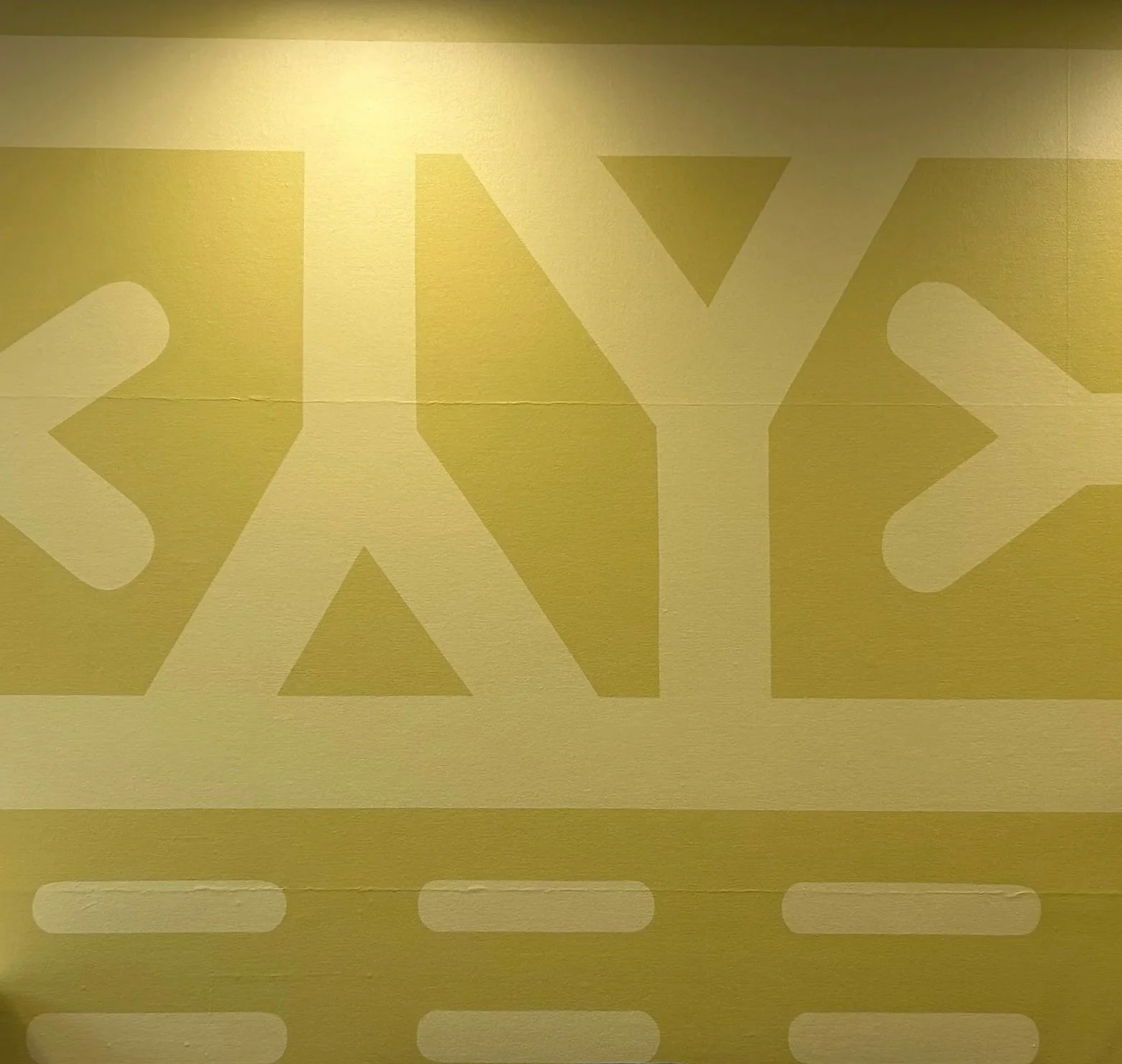
“The design is inspired by traditional Inuit woman’s tattoos. Each element has a meaning. The Y shapes are known as ancestor lines, and traditionally would refer to men and women based on if they faced up or down. For this space, I added sideways Y’s, to include other gender identities. I believe our customs aren’t static; they exist to be both followed and also built upon, to reflect our culture and values. It’s important to remember where we’ve come from but equally important to look ahead.”
Coco A. Lynge
Coco A. Lynge is a digital illustrator, character designer and graphic designer originally from Nuuk, Kalaallit Nunaat (Greenland), who currently works and resides in Denmark. Lynge’s artistry is characterized by its vibrancy and imagination, appealing to enthusiasts of both video games and children's literature, and influenced by local art of Kalaallit Nunaat as well as Western artistic styles. Lynge holds a degree in Fashion Design from VIA University College in Herning, Denmark, and after multiple rejections from the highly competitive The Animation Workshop, a prestigious animation school in Viborg, Denmark, she was accepted, ultimately earning a Bachelor of Arts in Computer Graphic Arts there.
Lynge predominantly prefers to work in digital media, explaining that it is more forgiving. "You can erase and redo a line a thousand times without degradation. It’s a bit technical, but it allows for quick execution,” she says. Her portfolio spans a wide array of projects, including the multimedia installation Qiaqsutuq (2023-) first shown in Halifax, NS, as part of Nocturne. In 2023 she was named Artist of the Year by Juullip nipitittagaa, the Greenlandic Christmas Seal Foundation, for her outstanding contributions to the arts, particularly in character and concept design, and in 2024 she was awarded a gold medal for Multicultural Fiction at the Independent Publisher Book Awards for illustrating the book Mythical Monsters of Greenland: A Survival Guide (2023).
MURAL PAINTING ASSISTANTS

BrEANNA SPRECKER
Breanna Sprecker is a multidisciplinary artist of Blackfoot (Siksikatapii) and Mixed European Heritage. She grew up in the Okanagan Valley before coming to Victoria to study. She is in her Fourth year doing the Visual Arts BFA program at UVic and is continuing on with her Master afterwards. Her practice spans many mediums including mainly large-scale painting, drawing and mixed media collage. Her work often focuses on themes of identity, family, cultural resurgence, intergenerational trauma and social and environmental justice.

ClAIRE JORGENSEN
Claire Jorgensen is an artist and holds a BFA (hons.) from the University of Victoria. She was born and raised on the unceded, unsurrendered territory of the Lekwungen and W̱sáneć nations. As both a painter and photographer Claire has shown work in local cafes and galleries, and in July of 2024 had her work in a group show at the Ministry of Casual Living. Claire has experience painting murals as she chosen to create work for the lobby of the Island Medical Program building here on campus. In 2024, for her contribution to the public art on campus, Claire received the Faculty of Fine Art Student Impact Award for this mural project titled A Dream of Vitality. In 2023/24 Claire was Jamie Cassels Undergraduate Research Award (JCURA) scholar. Her research project This Is The Space I Take Up culminated in an installation of over 50 self-portraits. In 2022 Claire was commissioned by UVic’s Equity and Human Resources department to create a painting reflecting the opinions and feedback from numerous members of the UVic community regarding Equity and Diversity. Claire has been an active member of the University's community through her art. She is excited to work on this project and to help facilitate further art development on campus.
Kylie Fineday
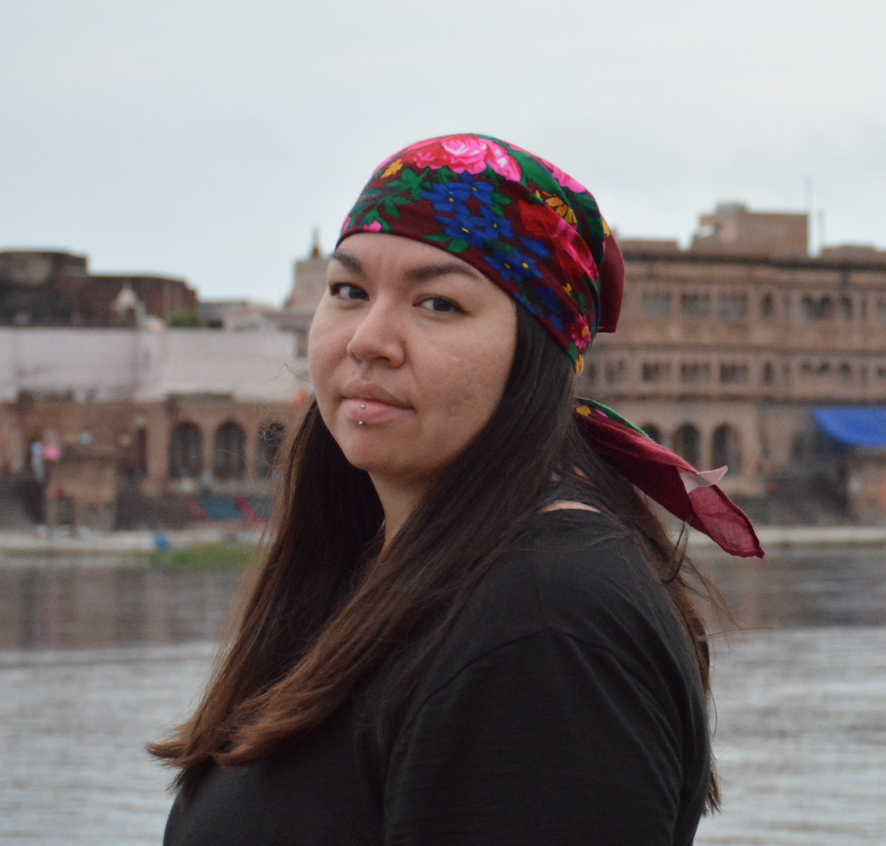
Kylie Fineday is a nehiyaw (Plains Cree) artist and curator from Sweetgrass First Nation, a small community in rural Saskatchewan. Fineday completed the BFA-Art Studio program at the University of Lethbridge in 2020 with great distinction, an honours thesis, and the Faculty of Fine Arts Gold Medal, and is now an MFA candidate at the University of Victoria. Fineday’s conceptual practice focuses on themes of personal identity and family history, as well as addressing social and environmental issues and injustices, particularly those affecting Indigenous communities within Canada. Through a queer Plains Cree perspective, Fineday also uses natural materials in temporary installations and performance to exemplify a relationship with the non-human world that is based on reciprocity and kinship. Fineday’s material practice is multidisciplinary, and includes drawing, painting, photography, video, performance, sculpture, and textiles such as sewing and beadwork, as well as explorations with materials harvested from the natural world.
Chris M
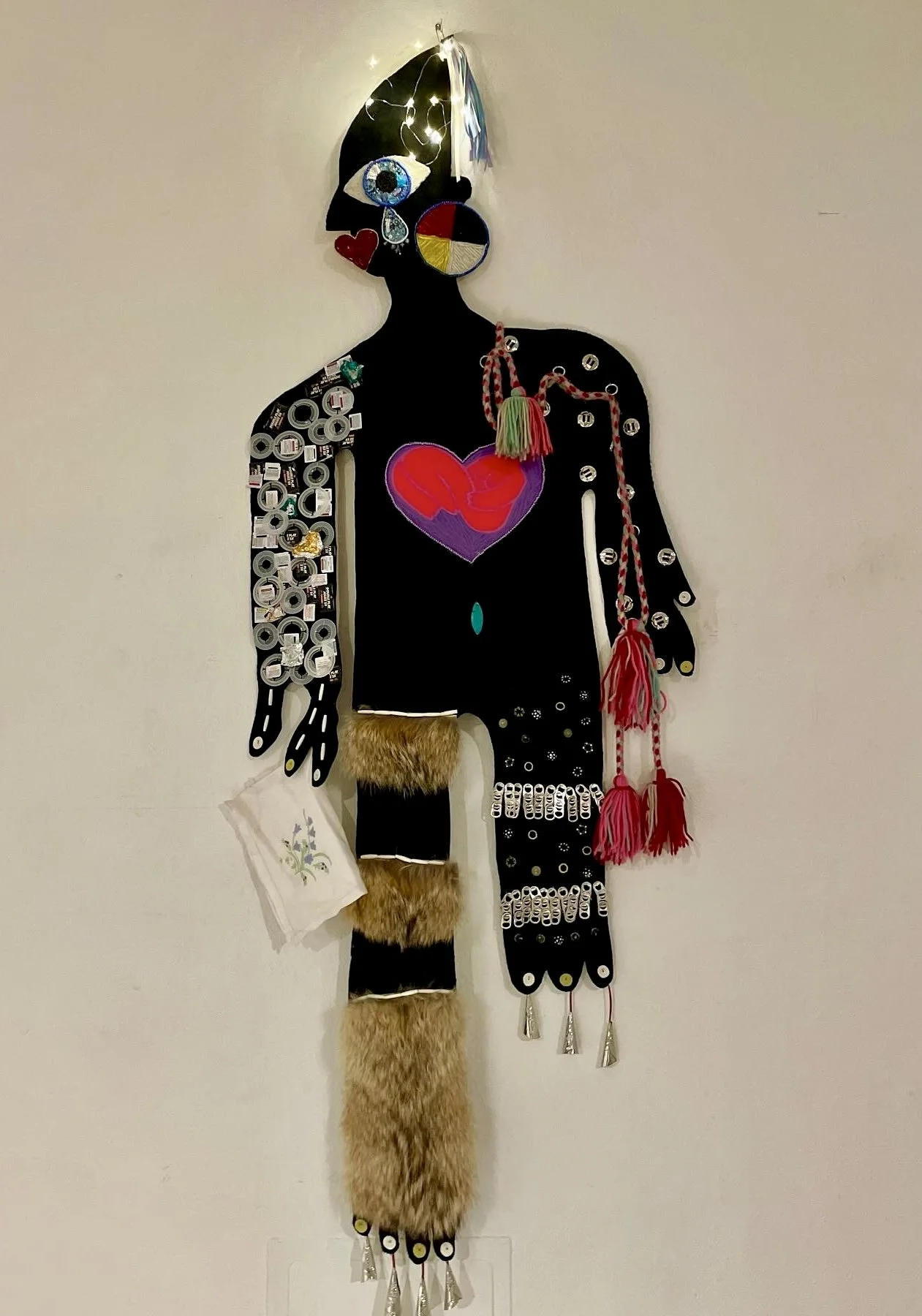
Born and raised in Treaty 6 territory, Chris is a Denesuline and Scottish Two-Spirit Interdisciplinary Artist and Graduate Student whose work reflects the realities of their upbringing as an Urban Indigenous person raised off their reservation. Drawing on the lived experience of being both Indigenous and a second-generation immigrant, Chris’s work explores what it means to create space for oneself in settled landscapes and bodies as well as examines what everyday resistance looks like through an Indigenous lens. Interested from a young age about the power that art and curation holds in storytelling, Chris was inspired by their parents, who, through their work supporting at-risk individuals, demonstrated the necessity of radical care and creation within spaces of healing and recovery, which remains a central teaching within their practice. Chris received their BA in Indigenous Studies from the University of Victoria in 2024 and is continuing their studies by pursuing an MA in Art History with a focus on Indigenous curatorial practice through the lens of resistance.

SEVEN EMBURY
Seven Embury is a multidisciplinary visual artist based in Victoria, BC., on the unceded territories of Lək̓ ʷəŋən and W̱ SÁNEĆ Peoples. A painter and digital media artist, Seven aims to capture the visceral sensations of anxiety and fears that are produced by our modern world. Reflecting on his self-destructive tendencies, Seven examines how his anxieties are created and influenced by our society. Seven holds a Diploma of Visual Arts from Camosun College and a BFA in Visual Arts from the University of Victoria. His works have been featured in the Tofino Gallery of Contemporary Art, the Audain Gallery, and Silver Bullets.
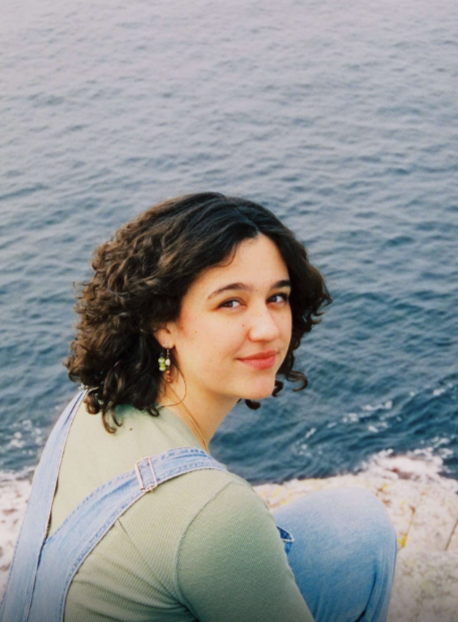
Mila rio
Mila Rio grew up in the Okanagan, spent time living in Norway, Colombia, and the USA, and currently resides in Victoria, BC, on the unceded territory of the Lək̓ʷəŋən and W̱SÁNEĆ peoples. These experiences have made her curious about the nuances of the emotional psyche and how it transcends across human existence. She is influenced by the idea of isolation as a unifying thread that resonates across the collective to further explore what evades understanding within herself. Rio works with a multimedia arsenal of acrylic and oil paintings, fiber art, and sculpture to reflect the various planes of tangibility within her own (and everyone’s) existence. The layers of drips and colours that compose her work serve as a portal to draw the viewer inwards to the emotional realm that offers no firm footing. Through the act of creation, Rio finds allowance to confront all that comes with what it means to exist in a body. In this process she forges her pathways through the sorrow, yearning, uncomfortability, and peace that push and bridge the gaps between the exteriority and inferiority of being.